
Reviewed · TRIPOLI & BATROUN TOURS
PRIVATE city Tour of authentic Tripoli and vibrant Batroun
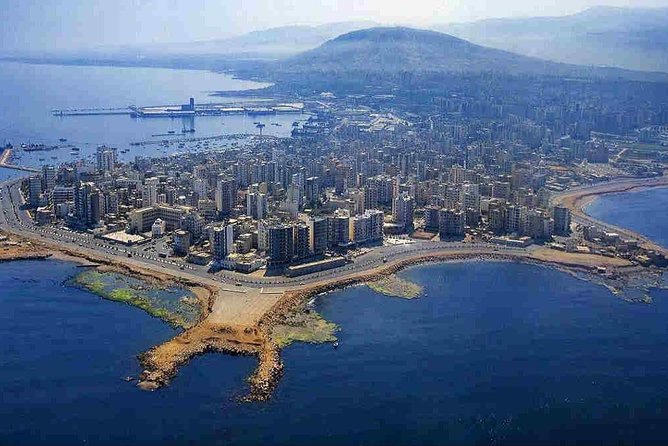
Tripoli’s old souks and Batroun’s Phoenician shoreline make an excellent pairing: one stop feels wonderfully untouristed and full of daily life, while the other offers sea air, ruins, cafés, and a slower pace. The day also includes Saint Gilles Citadel and a generous tasting stop at Hallab 1881, a Tripoli sweets institution dating to 1881.
I like the way the tour gives you two very different views of northern Lebanon in a single outing. I also like that guide Dave, also identified as David, adds personal stories about Lebanon and explains difficult political and historical subjects in plain English. The main drawback is time: six to seven hours is enough for highlights, but not for a leisurely exploration of every corner.
Key points at a glance
- Tripoli’s old souks: See craftsmen at work and experience a part of Lebanon that feels very different from Beirut.
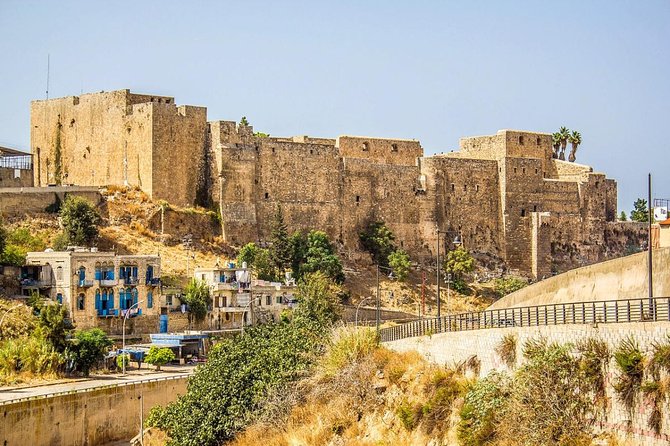
- Saint Gilles Citadel: Explore a Crusader fortress with Ottoman, Mamluk, and Crusader gateways.
- Hallab 1881 sweets: Taste baklava and other Lebanese pastries while the chef explains the flavors.
- Batroun’s Phoenician wall: Spend time beside ancient coastal remains in a town known for beaches, cafés, breweries, and wineries.
- Personal guiding: Dave or David brings history, recent events, and everyday Lebanese life into the drive and sightseeing.
- Easy transport: Hotel pickup, drop-off, fuel charges, and local taxes are included, with lunch extra.
Why this northern Lebanon day trip works
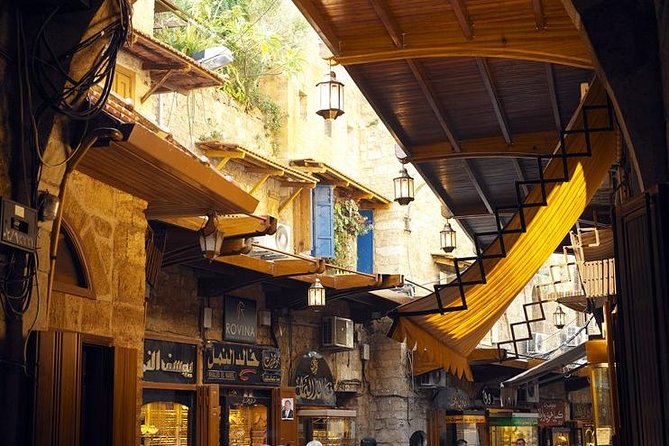
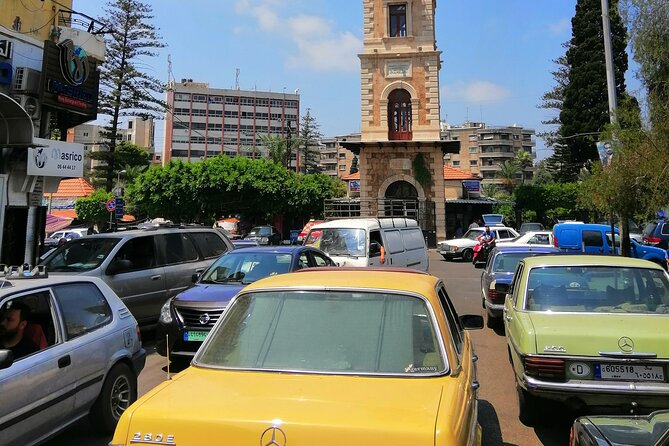
Many Beirut excursions concentrate on famous monuments or mountain scenery. This one takes you north to places with stronger local character. Tripoli is the main event. Its old souks are not presented as a polished heritage district built only for sightseeing. They are working streets, with shops, trades, food, and people carrying on with daily business.
Batroun changes the mood. After Tripoli’s dense lanes and stone buildings, the coastal town gives you room to breathe. Its Phoenician wall, old streets, beaches, cafés, breweries, and wineries make it a pleasant counterpoint. You get culture and archaeology first, then a calmer seaside setting.
I find this contrast more useful than a day filled with similar ruins. You can see how northern Lebanon holds several identities at once: old commercial city, military and Crusader stronghold, pastry capital, and coastal getaway.
The tour costs $113.34 per person. That is not the price of a bare transfer. Fuel charges, local taxes, a driver-guide, and hotel pickup and drop-off are included. For a visitor who wants transportation from Beirut and a guide to explain the region, the price is reasonable. Lunch is not included, so plan for that extra cost.
The tour is generally scheduled from 9:00 a.m. and lasts about six to seven hours. It is a full day without being an exhausting dawn-to-night outing. Still, road time and traffic can affect how long you have at each stop, so you should expect a focused visit rather than a slow, independent day.
More of the northern coast:
- Aaqoura Lakes – Baatara Waterfall – Batroun
★ 4.5 · 55 reviews - Guided Small-Group Tour to Tripoli and Batroun with Lunch
★ 5.0 · 16 reviews - Tripoli City Lebanon Trip
★ 5.0 · 7 reviews
The drive north with Dave or David
One of the strongest features is the guide. Dave, also referred to as David, is the driver and guide, and the experience depends heavily on his ability to connect the places you see with Lebanon’s past and present.
He explains complicated subjects through simple comparisons and personal examples. That matters in Lebanon, where a building or neighborhood can carry several layers of religious, political, and military meaning. A guide who only recites dates would leave you with disconnected facts. Here, the aim is to help you understand how the country’s story affects ordinary life.
The drive itself becomes part of the tour. Dave talks about Lebanese history, current difficulties, daily living, and his affection for his country. His style is described as outgoing, funny, passionate, and easy to understand in English. One account even notes that he is a musician and may provide some music on the return drive.
That personal approach will suit you if you want context, not just photographs. It also helps if you are visiting Lebanon for the first time and need someone to explain why different cities feel so distinct.
The tour is capped at 15 people, although the experience is presented as a private city tour. That small maximum should make it easier to hear the guide and ask questions. Some departures may require a minimum number of participants, so the tour is not guaranteed to operate in every circumstance.
Batroun’s Phoenician wall and coastal character
Batroun is listed as the first stop, with about 45 minutes at the Phoenician wall. Admission is free. The stop is short, but it gives you a useful introduction to the town before the larger Tripoli visits.
The wall is the centerpiece, yet Batroun is more than one ancient remnant. The town is known for old streets, beaches, bed-and-breakfasts, breweries, and wineries. You might find the stop especially appealing if you like places where archaeology sits beside ordinary cafés and modern leisure.
Do not expect a full historical tour of Batroun in 45 minutes. This is a taste of the town, not a detailed archaeological survey. You will have time to look at the coastal remains, absorb the atmosphere, and understand why Batroun is a popular northern escape, but you may wish for more time if you want a long café stop or a careful walk through every old lane.
The order of stops may be adjusted by the guide, traffic, or the day’s practical needs. The important point is the balance: Batroun provides a coastal pause, while Tripoli supplies the day’s deeper look at urban life and historic sites.
Entering Saint Gilles Citadel in Tripoli
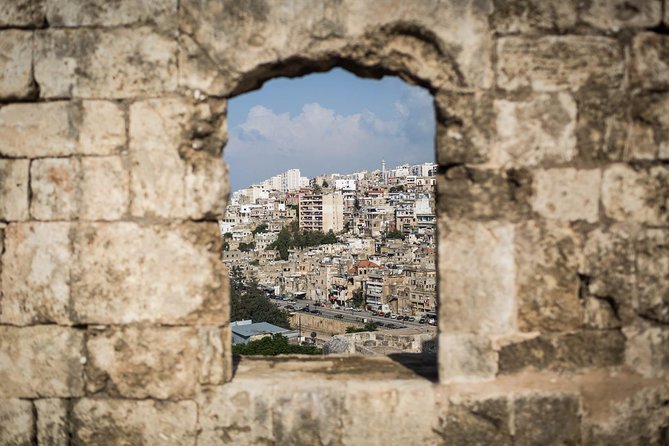
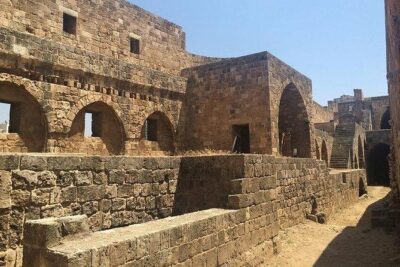
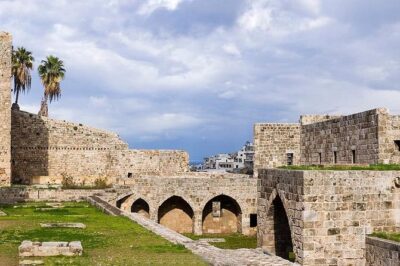
The Citadel of Saint Gilles, also called Qal’at Sinjil, rises above Tripoli and the river. The fortress was originally built between 1103 and 1104 during the Crusader period. It was burned in 1297, then partly rebuilt in the following century by a Mamluk emir.
The site is still used by the Lebanese military, which gives it a living presence rather than the feel of a completely frozen monument. You should follow the guide’s instructions about where you may walk and what you may photograph.
The approach is one of the most memorable parts. The entrance includes a moat and three gateways: Ottoman, Mamluk, and Crusader. That unusual sequence gives you a quick visual lesson in the layers of power that shaped Tripoli. Instead of seeing one clean architectural style, you see a fortress altered by different rulers and periods.
You have about an hour here, with admission included. Inside are information panels and a small museum. The panels can help you place the structure in time, while Dave’s explanations add the wider setting.
I would not book this outing expecting a fully restored castle with extensive displays. Saint Gilles is impressive because of its position, scale, entrance, and long use. Some areas may feel plain or worn. The reward is the structure itself and the chance to see an important Tripoli landmark without having to arrange transport on your own.
Wear sensible shoes. The full tour requires a moderate level of fitness, and the day includes walking in old streets and around a fortress. If you visit during hot weather, carry water and sun protection. One useful detail from the experience is that walking in Tripoli can feel strenuous in high temperatures, especially before the sweets stop provides a break.
A few more Beirut days worth weighing up
- Jeita Grotto,Harissa&Byblos Full-Day PRIVATE-CAR Trip from Beirut
★ 5.0 · 222 reviews - Private Anjar and Baalbek Tour from Beirut with Departure Ticket
★ 5.0 · 79 reviews - Guided Private Full Day Tour to Baalbek, Anjar and Chateau Ksara
★ 5.0 · 60 reviews - Semi-Private Tour to Jeita Grotto, Harissa & Byblos with Lunch
★ 5.0 · 52 reviews
Tripoli’s old souks and working city life
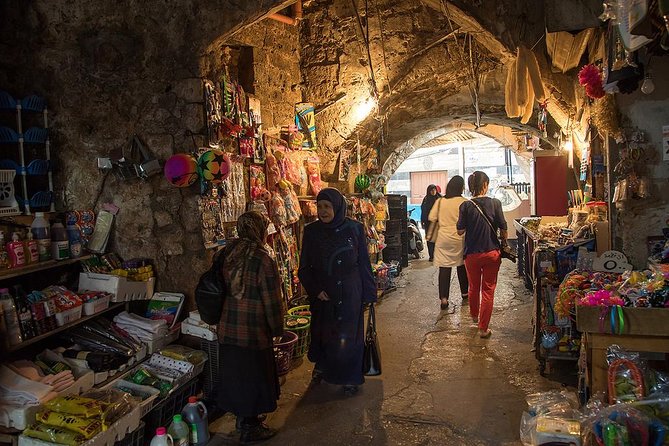
The old souks are where this tour earns its title as an authentic Tripoli experience. These are lively commercial lanes, not a tidy open-air museum. You will see local shops, traditional trades, and craftsmen at work as the guide points out details you might otherwise pass without noticing.
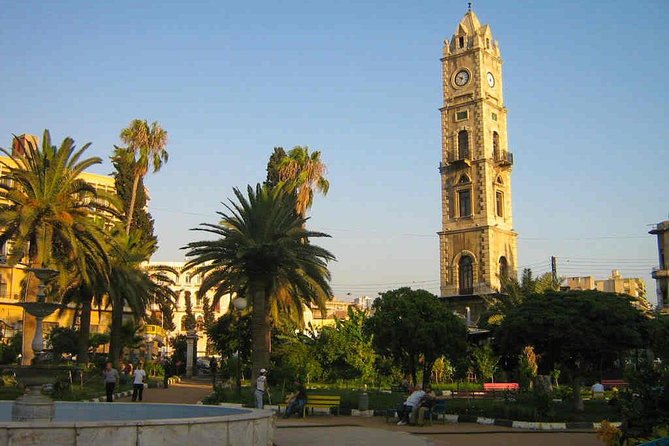
Tripoli feels different from Beirut. Beirut has a more international rhythm, while Tripoli offers a stronger sense of local routine and a less polished visitor experience. That difference is precisely the point, but it also means you should arrive with an open mind.
The souks may be crowded, noisy, or visually uneven. That is not a flaw to hide. It is part of seeing a working city rather than a staged attraction. At the same time, the walking conditions are not described as easy for everyone. Heat, uneven surfaces, and the pace of the group can affect your comfort.
The guide adds real value here. Dave explains the history of the city while also discussing present-day Lebanon and personal experiences. That combination helps you read the streets in a more human way. You are not only looking at old stone. You are seeing a city that continues to work, trade, adapt, and live around its past.
Friday may be a useful day to consider, as one account found the streets less busy then. This is not a guarantee, but it suggests that the day of the week can change the feel of the souks.
Hallab 1881 and the sweets of Tripoli
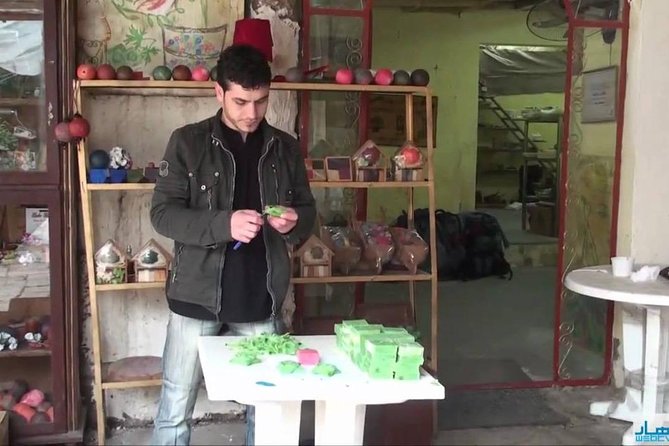
After walking through Tripoli and visiting the citadel, the stop at Qasr al-Hلو, Hallab 1881, gives the day a welcome change of pace. The sweets palace began in 1881 when a family of skilled chefs opened a large sweets factory in the city.
This is not limited to baklava. You will see a broad range of pastries and Oriental sweets, with different textures, fillings, and levels of sweetness. The chef is available to explain individual flavors, which turns the stop into more than a quick sample.
You have about an hour here, and admission is included. That is generous enough to taste carefully, ask questions, and decide what you might want to take away. If you have a sweet tooth, this may be one of the most enjoyable parts of the day. If you do not, the variety still offers a useful look at an important part of Tripoli’s food culture.
The stop also works practically. After walking in warm weather, sitting down for refreshments is welcome. Lunch is not included, so do not mistake the sweets visit for a meal. You should budget separately for lunch and avoid arriving hungry enough to treat pastries as your only food.
What the tour does well
The published score is 5 out of 5 from 51 reviews, with 98 percent recommending the experience. The praise is unusually consistent in a few areas.
First, the guide receives the strongest attention. Dave is repeatedly described as passionate, attentive, flexible, funny, and clear in English. He also appears willing to adjust the day when a visitor has asked to see a particular attraction. That flexibility is valuable on a small-group outing, though you should request any special stop when booking rather than assume it is included.
Second, the tour offers more than textbook history. You hear about recent events, ordinary life, and the difficulties Lebanon faces. For many people, that context is the difference between looking at a fortress and understanding why the place matters.
Third, the day gives you a side of Lebanon that can be missed if you stay in Beirut. Tripoli’s atmosphere is more local and less international. Batroun then shows another northern identity, with the sea, old walls, cafés, and leisure culture.
Finally, transportation is simple. Hotel pickup and drop-off are included, along with fuel charges and local taxes. You do not need to negotiate a northbound taxi, find the citadel alone, or work out the return route after a long day.
What to consider before booking
The main limitation is the schedule. You are covering Beirut to northern Lebanon, Batroun, Tripoli, a fortress, souks, and a sweets palace in six to seven hours. That is efficient, but not leisurely.
You should also be comfortable with moderate walking. The old souks and citadel are the heart of the day, and high temperatures can make the walking harder. Bring water, use sun protection, and choose smart-casual clothing with comfortable shoes.
The tour’s dress code is smart casual. This is a sensible choice for visits to historic and public places. You should also remember that the citadel remains connected to the Lebanese military, so access and photography may be controlled.
Lunch costs extra. That is a small but important detail when calculating the full price. The tour includes sweets, but the pastry stop should not be treated as lunch.
The experience has free cancellation up to 24 hours before the start time. Cancellations within 24 hours are not refunded, and changes inside that period are not accepted. Confirmation is normally issued at booking, though bookings made within 12 hours of departure are confirmed as soon as possible, subject to availability.
Who will enjoy this tour most
I would choose this trip if you want a guide-led introduction to northern Lebanon and prefer real city life to a polished sightseeing circuit. It suits first-time visitors who want help understanding the country’s history and current character.
It is also a good match for solo visitors who prefer organized transport and a known guide. A solo woman specifically described the operation as professional and comfortable, and the small vehicle format can feel more personal than a large coach.
History fans will appreciate Saint Gilles Citadel and the mix of Crusader, Mamluk, and Ottoman elements. Food lovers will value the Hallab stop. Photographers and coastal wanderers may enjoy Batroun, though the 45-minute visit limits how much time you have for exploration.
I would think twice if you want a slow beach day, a long lunch, or several hours of independent shopping. You should also reconsider if heat and uneven walking surfaces are a serious concern.
Should you book the Tripoli and Batroun tour?
Book it if you want a clear, well-organized way to see two very different northern Lebanese cities in one day. The strongest reason is not simply the number of stops. It is the chance to have Dave or David connect the souks, fortress, sweets, and coast into one understandable picture of Lebanon.
At $113.34 per person, the package offers solid value when you count the guide, transport, fuel, taxes, and hotel transfers. Add lunch to your budget, bring water, and accept that the schedule favors coverage over lingering.
If you want Beirut plus a taste of the country beyond the capital, this is a strong choice. If your ideal day means moving slowly and lingering over every site, choose a longer private arrangement instead.
FAQ
How long does the Tripoli and Batroun tour last?
The tour lasts approximately six to seven hours.
What time does the tour start?
The stated start time is 9:00 a.m.
Where does the tour begin?
The tour is based in Beirut, with hotel pickup offered.
Is hotel transportation included?
Yes. Hotel pickup and drop-off are included.
Is lunch included?
No. Lunch is not included in the tour price.
What is included in the price?
The price includes fuel charges, local taxes, and a driver-guide, along with hotel pickup and drop-off.
How much does the experience cost?
The listed price is $113.34 per person.
How many people can join the tour?
The activity has a maximum of 15 participants. A minimum number of guests is required for the tour to operate.
What fitness level is required?
A moderate level of physical fitness is recommended because the day includes walking through old streets and visiting the citadel.
What is the cancellation policy?
You can cancel at least 24 hours before the start time for a full refund. Cancellations or changes made less than 24 hours before the start time are not accepted, and the amount paid is not refunded.
Just added around Beirut
- Beirut to Sidon, Tyre and Maghdouché: Daily Tours with Lunch★ 5.0 · 3 reviews
- Chouf Charm: Private Journey Through Lebanon’s Historic Heartland★ 4.5 · 3 reviews
- Exploring Beirut’s Past: A Private Guided Historical Tour★ 5.0 · 3 reviews
- Hike Chouwen★ 5.0 · 3 reviews
- Private Trip to Beiteddine, Deir el Qamar & Maaser el Chouf Cedars★ 4.5 · 3 reviews
- Small-Group Tour with Lunch to Baalbek, Anjar and Ksara★ 5.0 · 3 reviews
- Lebanese wineries guided tour with tastings & lunch★ 4.9 · 3 reviews
- Baalbek, Anjar & Wine: A Journey Through Lebanon’s Heritage★ 5.0 · 3 reviews
Tripoli & Batroun Tours, compared.
Guided Small-Group Tour to Tripoli and Batroun with Lunch
Read our review →
Full day Tripoli private great guide/all-in + rustic meal
Read our review →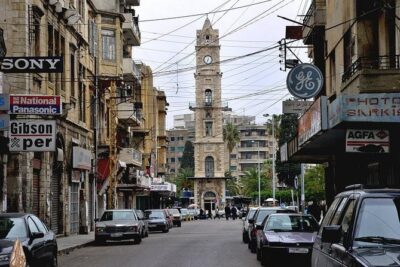
Private Full-Day Tour to Byblos and Tripoli from Beirut
Read our review →Browse the lists this tour appears in