
Reviewed · QADISHA VALLEY & CEDARS TOURS
PRIVATE Tour to Cedars of God, Besharre & Qozhaya Valley
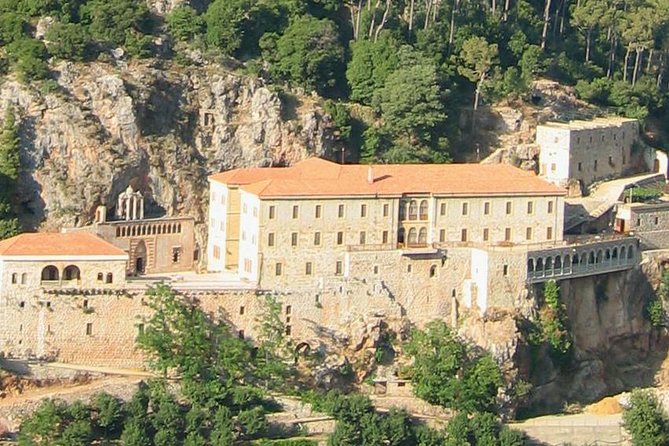
The most striking part of this private day trip is the range packed into one mountain route. In roughly five to eight hours, you go from Beirut to ancient cedar trees, a mountain town devoted to Gibran Khalil Gibran, and the quiet Qadisha Valley, where a centuries-old hermitage sits among steep rock walls.
I like the private car and front-door pickup, since these mountain sites are hard to connect by public transport. I also like the mix of nature, art, and religious history. The main consideration is time: each listed stop receives about an hour, so you get a useful introduction rather than a long, unhurried exploration.
Key points to know before you book
- A private route from Beirut: Your own air-conditioned vehicle and driver-guide handle the mountain roads and return transfer.
- Three very different stops: Expect a cedar forest walk, a Gibran museum, and the sacred Qadisha Valley.
- Ancient trees with a modern roadside setting: The protected forest is special, but souvenir kiosks line the main street near one famous old cedar.
- A short but meaningful forest visit: The cedar stop lasts about one hour, with admission included.
- A quiet religious site: The Qadisha Valley stop includes a 14th-century hermitage and monastery, where quiet observation is required.
- Useful value for a small group: At $113.34 per person, the price includes transport, a driver-guide, hotel transfers, fees, and taxes, but not lunch.
Why this Beirut day trip works
Lebanon’s mountain heritage is spread across roads that are not easy to manage on a quick independent outing. The Cedars of God, Besharre, and Qadisha Valley are not next door to Beirut, and the appeal of this tour is less about checking off three names than about linking them into one clear day.
You begin at 9:00 a.m. with hotel pickup. From there, the private vehicle gives you a practical advantage: you do not need to work out separate transport to the cedar forest, Besharre, or the valley. You can also keep the day focused on your own group, rather than matching the pace of strangers.
The advertised duration is five to eight hours. That range matters. Road conditions, time spent at each stop, and the exact pickup and return points can affect the length. Plan for a substantial half-day or a full morning-to-afternoon outing, not a tightly timed city tour.
The guide and organizer are an important part of the experience. The guide explains the cedar tree’s place in Lebanese identity, introduces Gibran’s work, and provides context for the sacred valley. One account of the service specifically praises the guide and organizer for being punctual, capable, and friendly. No guide name is provided, so you should not expect a named specialist in advance.
More Qadisha Valley and Cedars days:
- Bcharre – Qadisha Valley & Cedars Forest From Beirut
★ 5.0 · 78 reviews - Guided Small-Group Tour to Qadisha, Bcharee & Cedars with Lunch
★ 5.0 · 39 reviews - Cedars of Lebanon, Qozhaya, & Bcharre – With Lunch (4G on Board)
★ 4.5 · 34 reviews
Walking among the Cedars of God
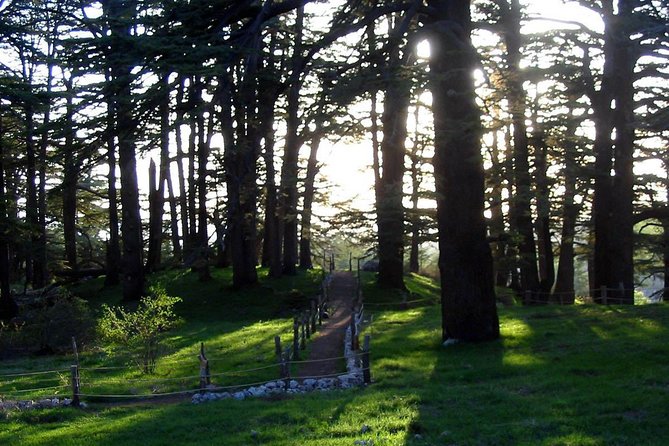
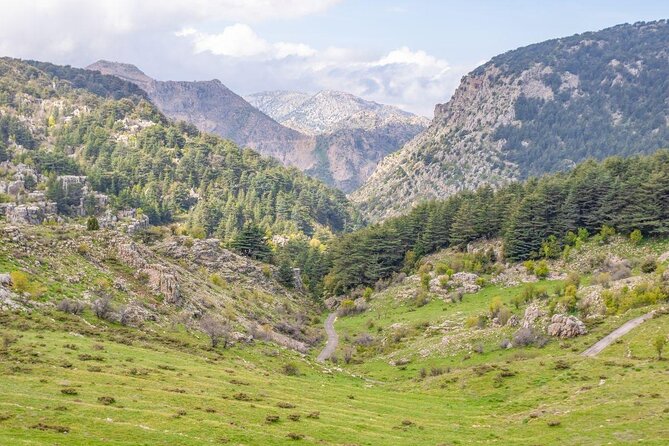
The first stop is the Cedars of God, known for its Cedrus libani, or cedar of Lebanon. The cedar is the national symbol of Lebanon, so this is not simply a woodland visit. It connects the scenery to the country’s identity, old stories, myths, and beliefs.
You have about one hour here, with admission included. The guide escorts you on a walk through the protected forest and explains the trees along the way. That guided context is useful because the visual experience can otherwise be brief: trees, mountain air, and a marked forest area may not tell you why cedars matter so much to Lebanon.
The site also has a slightly awkward feature. A roughly 2,000-year-old cedar is located in the middle of a main street surrounded by souvenir kiosks. That setting can feel less wild than you expect. It is still an unusual sight, and the old tree offers a direct connection to the age of the forest, but you should not picture an untouched forest with no commercial activity.
The forest walk is likely the most active part of the outing. Wear shoes suited to a short walk and bring water, though the supplied information does not specify trail difficulty or facilities. Since only one hour is scheduled, this is a taste of the protected area rather than a long hike.
I like the way this stop gives you both the grand symbol and the practical reality. You see the cedar as a national emblem, but you also see how a famous natural site functions as a visited place, complete with roadside stalls. That contrast makes the stop more honest than a polished postcard version.
Besharre and the Gibran Museum
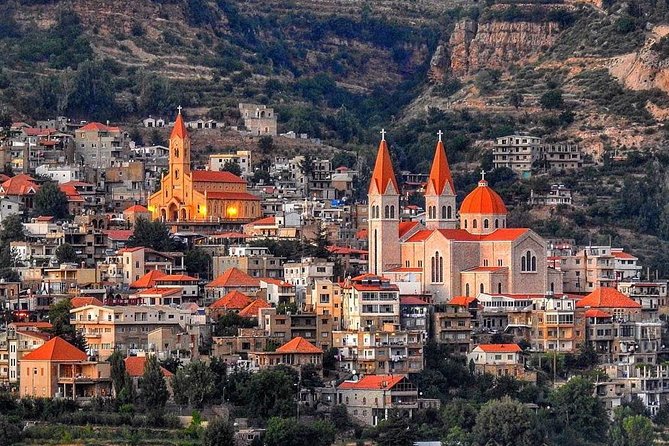
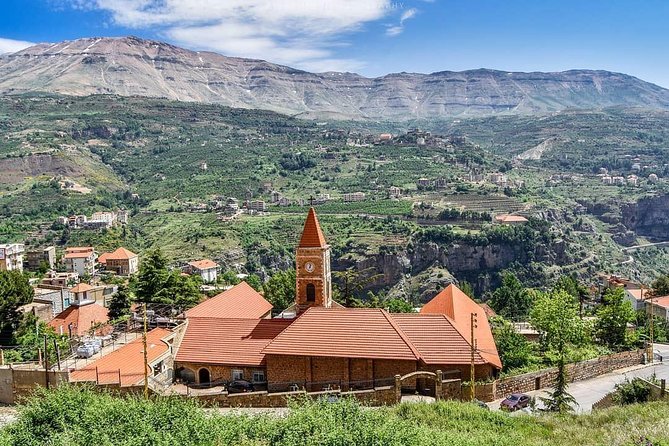
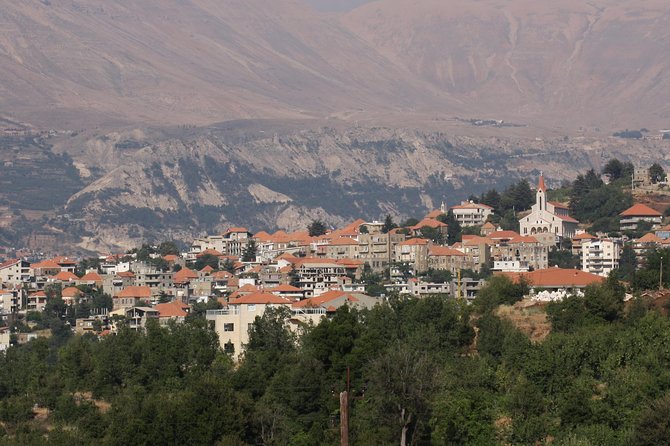
From the cedar area, the tour continues to Besharre, the town associated with Gebran Khalil Gebran, also commonly written as Gibran Khalil Gibran. The museum is in the town center, inside an old monastery that has been converted into a gallery and partly set into a large rocky mountain.
You have about one hour inside. Admission is included, so you can focus on the collection rather than the extra cost. The setting is part of the appeal. This is not described as a large modern art complex. It is a modest old religious building adapted for paintings, books, and the story of Gibran.
The guide uses the visit to explain who Gibran was, why he is known by the nickname the Prophet, how many books he wrote, and how widely his work has been translated. You also get a chance to consider his paintings, not only his writing. The tour is especially useful if you know Gibran mainly through The Prophet and want a clearer sense of the person behind the famous title.
A one-hour museum visit suits people who want an introduction. It may feel short if you already know Gibran well or want to study every artwork closely. The schedule gives you enough time to understand the museum’s place in Besharre, but not necessarily enough for a slow reading of every display.
This stop also breaks up the outdoor portions. After the forest walk, you move into a small cultural collection with a strong local connection. I like that the tour does not treat Besharre as a simple photo stop. It gives the town a human story through an artist and writer whose work reached far beyond Lebanon.
Entering the Qadisha Valley
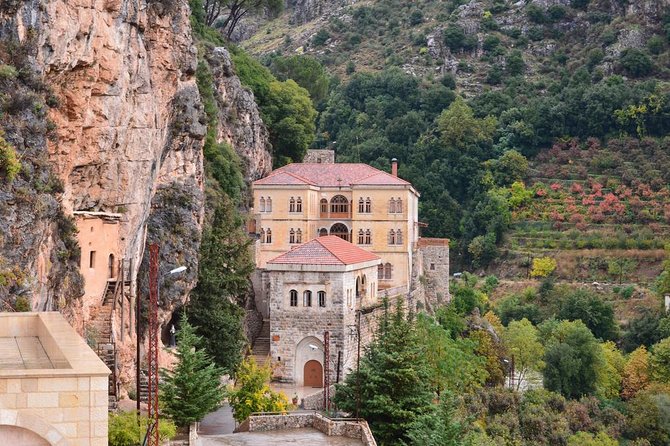
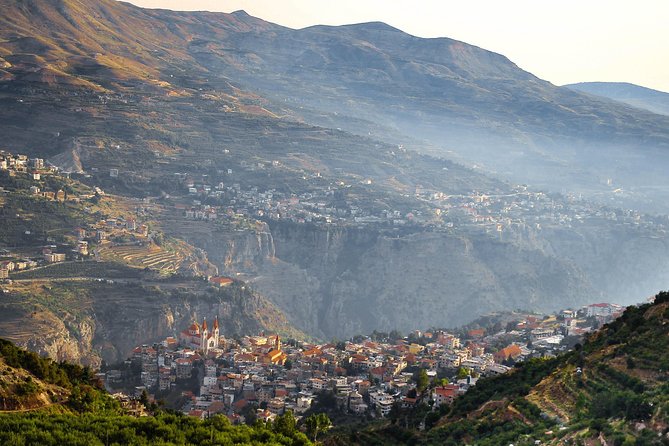
The final major stop is Qadisha Valley, also called the Sacred Valley. The description points to the Qozhaya Valley area, with views of steep mountain forms, curved rock shapes, and water cascades in spring. The setting is the reason to come, but the religious history gives it more weight.
You have about one hour here, and admission is free. The route leads toward a 14th-century hermitage and monastery located farther down in the valley. Quiet observation is required at the religious site, so this is not a stop for loud conversation or a rushed group photo.
The valley’s appeal changes with the season. In spring, the water cascades add movement to the rocky surroundings. At other times, the views and the silence may be the main attraction. The supplied details do not promise a long hike into the valley, so you should treat this as a guided visit and scenic stop, not a full-day trek.
This is also where private transport matters most. The valley is remote, and the tour is designed to take you to places that are difficult to reach without your own vehicle. You avoid the worry of finding a driver for a return journey from a remote mountain site.
Qadisha is a place where you should slow down, even if the schedule is short. Look at the way the monastery relates to the rock walls. Listen to the guide’s explanation of the religious setting. The visit has more value when you treat it as a sacred place first and a viewpoint second.
A few more Beirut days worth weighing up
- Jeita Grotto,Harissa&Byblos Full-Day PRIVATE-CAR Trip from Beirut
★ 5.0 · 222 reviews - Private Anjar and Baalbek Tour from Beirut with Departure Ticket
★ 5.0 · 79 reviews - Guided Private Full Day Tour to Baalbek, Anjar and Chateau Ksara
★ 5.0 · 60 reviews - Semi-Private Tour to Jeita Grotto, Harissa & Byblos with Lunch
★ 5.0 · 52 reviews
What the private vehicle adds
The tour includes round-trip hotel transfers in an air-conditioned vehicle with a driver-guide. That is the central practical benefit. You do not need to navigate mountain roads, organize several separate rides, or return to Beirut from a remote valley on your own.
Because this is a private activity, only your group participates. That gives you more control over questions and pace, within the limits of the scheduled route. A family can keep together, and a small group can use the vehicle without the usual wait for other people.
There is one detail worth keeping in mind: private does not mean unlimited time. The published plan gives roughly one hour to each stop, and the total duration can range from five to eight hours. If you want a long cedar hike, an extended museum visit, and a full valley walk, ask about extra time before booking.
The driver-guide format can also vary from person to person. You receive guiding during the stops, but the details provided do not identify a particular specialist or promise a formal art historian, botanist, or religious scholar. The strongest fit is someone who wants useful local explanation with easy transport, not a narrowly academic tour.
Is $113.34 per person good value?
At $113.34 per person, this is not the cheapest way to see the mountains. It can be good value if you are traveling as a couple, family, or small private group and would otherwise need to arrange a car, driver, fuel, entry fees, and return transport separately.
The price includes the driver-guide, hotel pickup and drop-off, an air-conditioned vehicle, all fees, and taxes. Admission to the Cedars of God and the Gibran Museum is included. The Qadisha Valley visit has no admission charge.
Lunch is not included. You should budget for your own midday meal, but no restaurant or lunch stop is specified, so do not assume a particular dining arrangement. The tour’s value is mainly in transport and coordination, not in included food.
Group discounts are offered, which may improve the per-person cost for a larger private party. Since the price is listed per person, compare the total cost for your group with the price of hiring private transport independently. The more people sharing the vehicle, the easier it is for the package to make financial sense.
Free cancellation is available if you cancel at least 24 hours before the 9:00 a.m. start time. Changes or cancellations inside that period are not accepted for a refund. Confirmation is normally provided at booking, though bookings made within 12 hours of departure are subject to availability and may be confirmed as soon as possible.
Who should choose this experience?
I would choose this tour if you are based in Beirut and want one efficient day in the mountains without renting a car. It suits people who want a broad introduction to cedar heritage, Gibran, and Qadisha rather than a specialist trip devoted to only one subject.
It is a good match for families because children can join when accompanied by an adult, and the private vehicle avoids the strain of managing a mixed public group. It also suits couples and friends who value a flexible private setting.
You should think twice if your priority is a long wilderness hike. The forest and valley visits are each scheduled for about an hour, and the route covers several distinct places. This is a heritage circuit with short walks, not a serious trekking day.
You may also want more time at the Gibran Museum if art is your main reason for going. The one-hour allocation gives you a useful introduction, but a dedicated museum visit would allow a slower look at the paintings and written work.
Practical advice for a better day
Start with the 9:00 a.m. pickup and keep the day open until the return. The five to eight-hour estimate leaves room for variation, and a mountain route should not be planned with a tight evening appointment.
Wear comfortable shoes for the cedar forest and valley portions. The information confirms a forest walk and a remote monastery setting, but it does not give a detailed trail grade, so practical footwear is the safer choice.
Bring money or another way to pay for lunch. Food is not included, and no specific restaurant is promised. You may also want water for the walking portions.
Use the guide’s time well. Ask about the cedar’s myths and beliefs, Gibran’s books and translations, and the history of the hermitage. The tour becomes much more worthwhile when you connect the three stops instead of treating them as separate photo opportunities.
Respect the Qadisha Valley’s quiet rule. The monastery is a religious place, and the instruction to observe quietly is part of the visit, not a minor suggestion.
Should you book this Beirut mountain tour?
Book it if you want a private, transport-focused introduction to northern Lebanon’s cedar country and sacred valleys. The route offers real variety: an ancient forest, an artist’s museum in a former monastery, and a remote religious site framed by dramatic rock.
The strongest reasons to book are the door-to-door service, private vehicle, included fees, and the guide’s role in connecting nature with Lebanese culture. The main limits are the short visit at each stop, the lack of included lunch, and the fact that one famous old cedar sits beside souvenir kiosks rather than in complete solitude.
For a first visit from Beirut, $113.34 per person is reasonable when shared by a small group that values comfort and simple planning. If you want strenuous walking or a highly specialized museum tour, choose a longer or more focused outing instead.
FAQ
Where does the tour start?
The tour starts with hotel pickup in Beirut at 9:00 a.m.
How long does the experience last?
The approximate duration is five to eight hours.
Is this a private tour?
Yes. Only your group participates in the activity.
What transport is provided?
The tour includes an air-conditioned vehicle, a driver-guide, and round-trip hotel transfers.
Are admission fees included?
Yes. All fees and taxes are included. Admission is included for the Cedars of God and the Gibran Museum, while entry to Qadisha Valley is free.
Is lunch included?
No. Lunch is not included in the tour price.
Can children join the tour?
Yes. Children may participate, but they must be accompanied by an adult.
Is a guide included?
Yes. A driver-guide is included and provides information during the visits.
Can I cancel for a full refund?
Yes, if you cancel at least 24 hours before the experience starts. Cancellations or changes made less than 24 hours before the start time are not accepted for a refund.
Just added around Beirut
- Beirut to Sidon, Tyre and Maghdouché: Daily Tours with Lunch★ 5.0 · 3 reviews
- Exploring Beirut’s Past: A Private Guided Historical Tour★ 5.0 · 3 reviews
- Chouf Charm: Private Journey Through Lebanon’s Historic Heartland★ 4.5 · 3 reviews
- Hike Chouwen★ 5.0 · 3 reviews
- Private Trip to Beiteddine, Deir el Qamar & Maaser el Chouf Cedars★ 4.5 · 3 reviews
- Small-Group Tour with Lunch to Baalbek, Anjar and Ksara★ 5.0 · 3 reviews
- Lebanese wineries guided tour with tastings & lunch★ 4.9 · 3 reviews
- Baalbek, Anjar & Wine: A Journey Through Lebanon’s Heritage★ 5.0 · 3 reviews
Qadisha Valley & Cedars Tours, compared.
Bcharre – Qadisha Valley & Cedars Forest From Beirut
Read our review →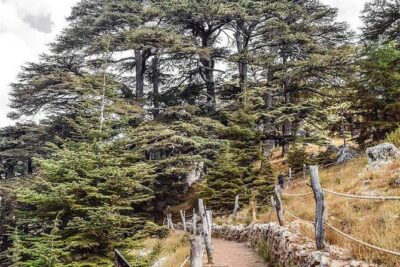
Guided Small-Group Tour to Qadisha, Bcharee & Cedars with Lunch
Read our review →Cedars of Lebanon, Qozhaya, & Bcharre – With Lunch (4G on Board)
Read our review →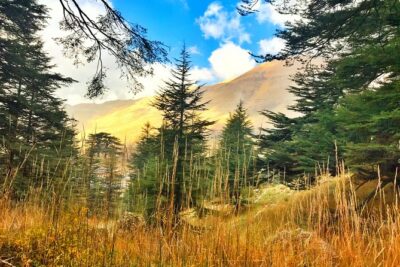
Cedars Shouf & Beiteddine w/pick-up, guide, entries+lunch
Read our review →
Guided small group to Cedars Reserve & Beiteddine w/lunch+entries
Read our review →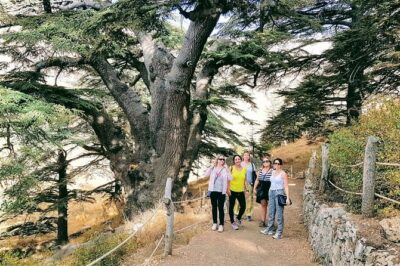
Small-Group Tour with Lunch to Qadisha Valley, Bcharre and Cedars
Read our review →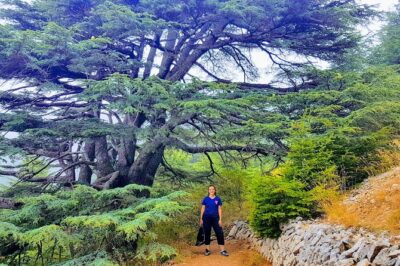
Guided Full-Day Private Trip to Cedars, Baalbek and Chateau Ksara
Read our review →Browse the lists this tour appears in