
Reviewed · WINE TOURS
Full-Day Private Wine Tasting Tour
The best part of this day is the change of scene. In a few hours, you leave Beirut for the Beqaa Valley, where vineyards stretch across high terraces and wine making reaches back to the Phoenicians. You visit three wineries, including Château Ksara’s famous caverns, with a private driver and guide handling the road.
I like the door-to-door transport, especially for a full day outside Beirut, and I like the mix of wine styles: red, white, rosé, sweet fortified wine, and Lebanon’s anise-scented arak. The main consideration is cost control. At $104.17 per person, the private setup is useful, but lunch and winery admission fees are extra.
Key points at a glance
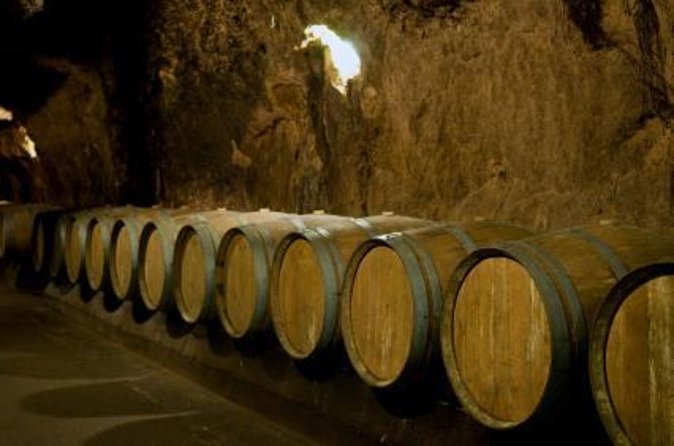
- Château Ksara’s underground caverns: See the oldest and largest winery in Lebanon, founded by Jesuit priests in 1857.
- Three different winery visits: Compare Ksara, Kefraya, and St Thomas rather than basing the day on a single tasting room.
- Private vehicle and hotel transfers: Your group travels alone in an air-conditioned vehicle with pickup and drop-off included.
- Wine plus arak: Tastings can include dry reds, whites, rosé, sweet fortified wine, and Lebanon’s national spirit.
- A full day in the Beqaa Valley: The roughly eight-hour outing gives you time away from Beirut without arranging the transport yourself.
- Lunch is separate: Regional food is available at an on-site restaurant, but you pay for it yourself.
Why the Beqaa Valley makes a good day from Beirut
Lebanon’s wine story is older than its modern wineries. Grape growing in the region reaches back about five thousand years, to the Phoenicians, and that long connection gives the day more meaning than a standard city tasting.
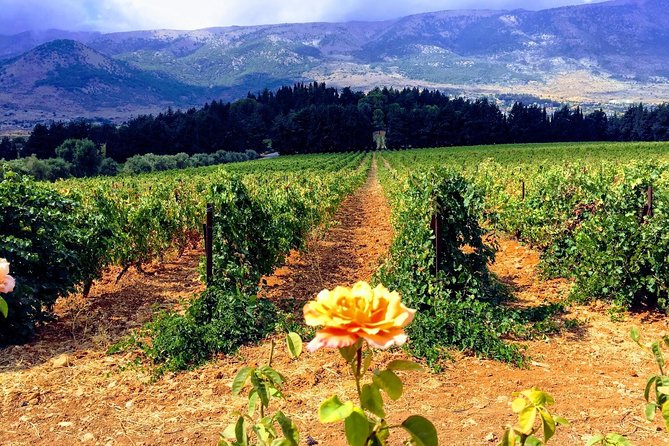
You are not simply moving from one bar to another. The route takes you toward Zahle and the Beqaa Valley, a major agricultural area with vineyards planted on high ground. Château Kefraya’s vines, for example, spread across 300 hectares of terraced slopes at about 1,000 meters above sea level.
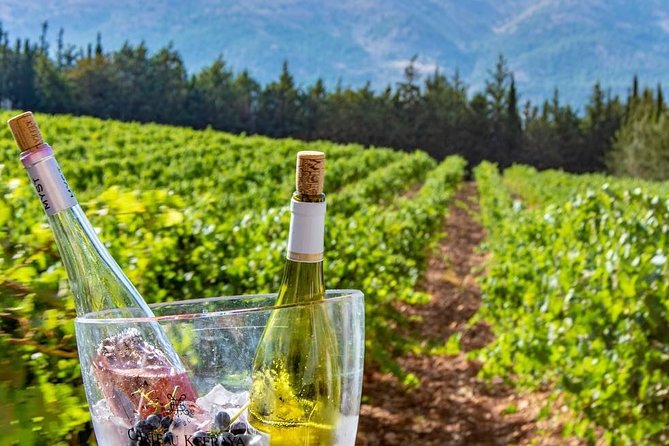
The high setting matters because the valley has strong changes between daytime and nighttime temperatures. That helps grapes ripen well while keeping useful freshness. The wineries also work with different soils and a broad range of grape varieties, so you can expect each stop to have its own approach.
I find this context valuable for anyone who wants to understand Lebanese wine rather than simply drink it. You see how altitude, soil, grape choice, and family or religious foundations shaped the industry.
The scenery is also part of the appeal. The tour information does not promise a particular viewpoint or seasonal display, so you should not book it expecting one fixed postcard scene. Still, the drive into the Beqaa Valley offers a clear break from Beirut’s urban setting and gives the day a strong sense of place.
More Beirut wineries worth an afternoon:
- Lebanon Wine Tasting Tour From Beirut
★ 4.5 · 25 reviews - PRIVATE Tour of Baalbek Temples, Umayyad Anjar & Ksara Winery
★ 5.0 · 12 reviews - Anjar, Baalbek & Ksara Winery
★ 5.0 · 11 reviews
A private start at 9:00 a.m.
The tour begins at 9:00 a.m., with hotel pickup offered in Beirut. Your group gets a private, chauffeured vehicle rather than sharing transport with strangers, and the vehicle is air-conditioned.
That arrangement is a real advantage on a long day. You do not need to find a taxi to a distant meeting point, and you can keep the schedule within your own group. The tour leader also travels with you, which gives you one person to coordinate the visits and explain what is happening along the way.
The private format suits couples, families, and small groups with different levels of interest in wine. A serious wine drinker can pay closer attention to the tasting, while someone who is mainly interested in scenery, food, or Lebanese culture does not have to follow a large group’s pace.
There is one practical point to watch. The listed price is per person, and group discounts are offered, but the amount of any discount is not specified. If you are traveling with several people, ask how the group rate applies before booking.
Château Ksara and the story beneath the ground
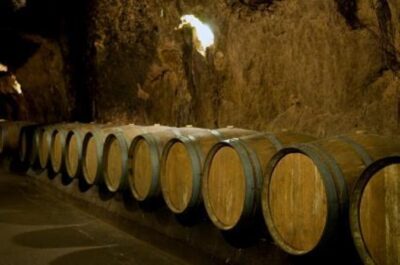
Château Ksara is the day’s historical anchor. Jesuit priests founded the winery in 1857, and it developed Lebanon’s first dry wine. It is also the country’s oldest and largest winery, producing roughly three million bottles each year and exporting to more than 40 countries.
The most distinctive feature here is the network of caverns. A visit underground gives you something more memorable than a standard tasting room, though the supplied details do not specify the cavern route, temperature, or exact tasting lineup on the day.
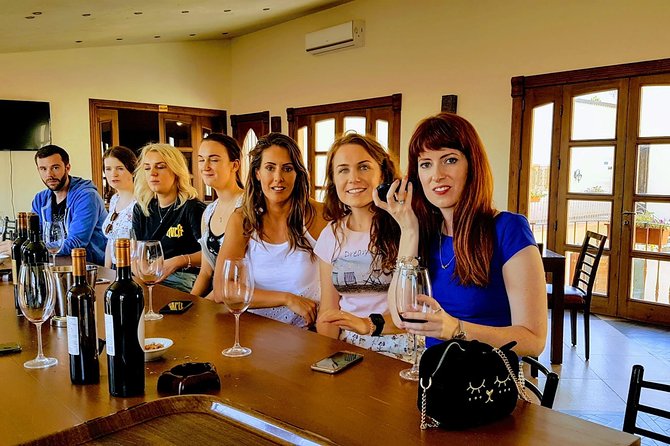
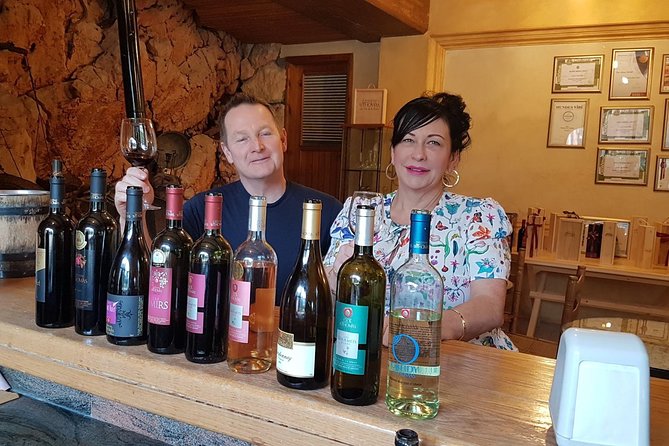
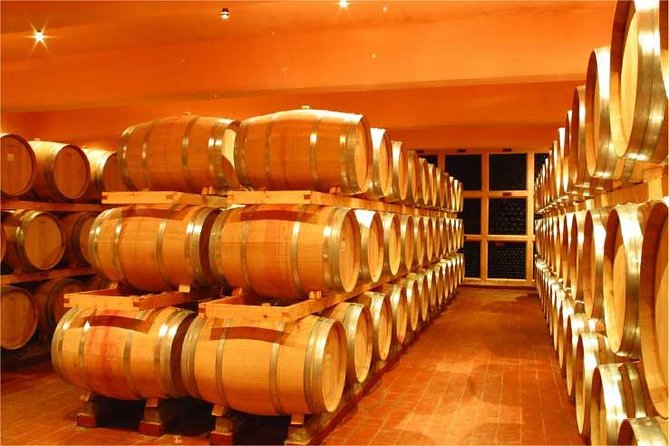
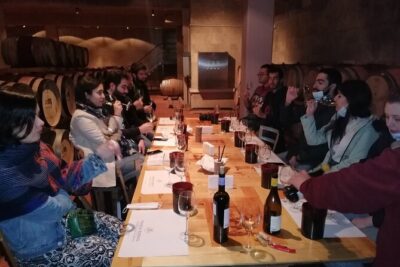
Ksara produces a broad range of bottles, and the tasting can include red, white, rosé, sweet fortified wines, and arak. That range is useful because it lets you compare more than one side of Lebanese production. You can see how a winery handles everyday table wine, richer styles, sweet wine, and the country’s best-known spirit.
The stop is listed at about one hour. That is enough for an introduction and tasting, but not enough for an extended technical study of the winery. Admission is not included, so budget for an additional fee at the entrance.
A word about tasting strategy: do not rush to choose a favorite after the first pour. The point of this day is comparison. Take note of how the dry reds differ from the whites, then see how the sweet fortified wines and arak change the experience.
Château Kefraya’s high terraces and grape variety
Château Kefraya gives the day a different angle. Its vineyard covers about 300 hectares on terraced slopes, around 1,000 meters above the Mediterranean. The vines are mainly trellised, with a planting density of approximately 4,000 vines per hectare.
That level of scale helps you understand that Lebanese wine is not limited to small family cellars. Kefraya works with a broad selection of grape varieties and blends, supported by varied soils and large temperature shifts between day and night.
You may find this stop especially useful if you want to compare wine-making styles. Ksara brings an old winery story and its caverns. Kefraya brings the scale of the vineyards, high terraces, and an emphasis on blending different grapes.
The stop is also listed at about one hour, with admission not included. The information does not specify which wines are poured at Kefraya, so do not assume the tasting will match Ksara’s full list of reds, whites, rosé, sweet wines, and arak.
I would use this stop to pay attention to the setting and the explanation of the vineyard rather than treating it as another identical tasting. Ask about the grape varieties in the blends if the guide or winery staff offers that detail.
More Beirut food tours:
- PRIVATE Wine Tasting Tour to the Bekaa Valey Fabulous Wineries
★ 5.0 · 7 reviews - Wine Tasting and Culture
★ 5.0 · 3 reviews - Beirut Street Food Tour, Lebanon
★ 5.0 · 3 reviews
Château St Thomas and Lebanon’s arak tradition
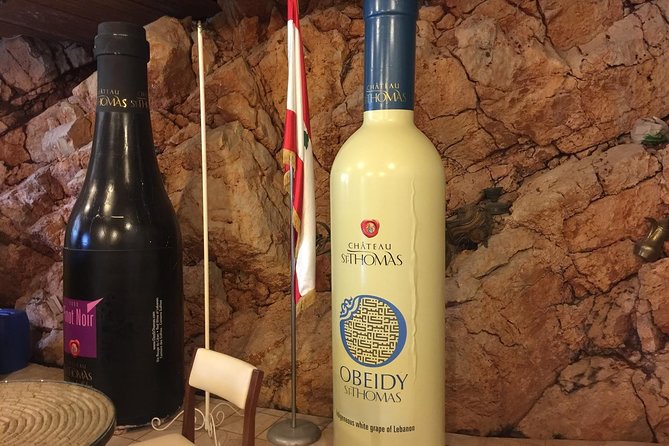
Château St Thomas is the youngest of the three named estates, established in 1990 by Saïd Touma and his family. The property includes a 65-hectare vineyard and a wine storehouse used for fermentation and ageing.
The family connection is central here. Saïd Touma brought more than 55 years of experience in distilling and fermenting grape juice, and he inherited the tradition of producing arak, Lebanon’s national drink. His son, Joe-Assaad, continued that family legacy.
This stop broadens the day beyond wine. Arak is usually associated with its anise flavor, but the supplied tour details do not specify how it is served or which bottles you will taste. You can expect the subject to be part of the estate’s identity, yet the exact pour list may vary.
St Thomas is listed for about one hour, and admission is extra here as well. Since all three winery stops have similar listed durations, the tour gives you a wide introduction rather than a slow, detailed visit at any one estate.
That is a strength if you want variety. It is less ideal if you hope to spend half a day at one cellar, study production methods closely, or linger over a long meal among the vines.
Wine tasting, food, and the pace of the day
The tour includes tastings, but it does not include lunch. You can enjoy regional dishes at an on-site restaurant at your own expense, which gives you some choice over what and how much you eat.
That flexibility is helpful, especially if your group has different appetites. It also means you should treat the $104.17 price as the starting cost, not the final total. Add winery admission fees and lunch when working out your budget.
With three one-hour winery stops, transport, and a meal, the day is full. The total duration is about eight hours, but the exact amount of free time is not given. You should expect an organized schedule rather than a leisurely afternoon with long breaks.
I like the balance of tasting and movement, but you need to pace yourself. With wine, sweet fortified pours, and arak potentially included, tasting does not mean finishing every glass. A private vehicle makes the day safer and more comfortable, but it is still wise to drink slowly and use the drive between stops as a break.
The private format also helps with conversation. You can ask the tour leader to clarify the history of a winery, explain an unfamiliar style, or help your group decide how to use the lunch stop. A private guide cannot guarantee a particular tasting menu, but the setup gives you more room to ask questions than a large coach tour usually allows.
What the guide and service can add
The tour includes a tour leader, private transportation, and hotel pickup and drop-off. One especially praised guide is Ali, who served as both guide and driver on one outing and was credited with making the day feel smooth from beginning to end.
That guide-driver arrangement is worth noting because the road time is a major part of an eight-hour excursion. Having one person manage navigation and guide duties keeps the day simple. You do not need to arrange separate transfers between the wineries.
A hostess named Doaa at Château Heritage was also singled out for her warm tasting service and sense of humor. Château Heritage is not one of the three stops named in the supplied itinerary, so confirm the exact winery schedule if meeting Doaa is important to you. The detail still gives you a useful sense of the personal service that may shape a tasting visit.
The strongest praise centers on three things: the scenery on the way out of Beirut, the quality and range of the wine, and the friendly human side of the visits. Those are the reasons I would choose this tour over a bare transport service.
Is $104.17 per person good value?
For a private eight-hour outing, $104.17 per person can be fair, particularly if you are splitting the experience with a group and the discount lowers the rate. Hotel pickup, an air-conditioned vehicle, a tour leader, and return transport are included.
The price makes less sense if you are comparing it with a simple winery visit near Beirut. This is a full day in the Beqaa Valley with three estates, and you pay extra for admission and lunch. Before booking, ask for the current admission prices and confirm whether the tasting fees are separate from entrance.
The value is strongest for people who want convenience. You are paying not only for the wine but also for the time saved arranging transport, the comfort of a private car, and the chance to visit several well-known producers in one day.
It is also a better deal for a small group than for a solo visitor. Group discounts are available, though no exact terms are supplied. Ask the provider, Lebanon Tours & Travels, for the total price for your party rather than relying only on the per-person figure.
Who should book this Beqaa Valley wine day?
I would recommend it to wine drinkers who want a broad introduction to Lebanese production, especially those staying in Beirut without a rental car. It also fits couples and private groups who prefer a flexible vehicle and direct hotel service.
You will get the most from it if you are interested in both wine and regional culture. Ksara’s Jesuit origins, Kefraya’s high terraced vineyards, and St Thomas’s family arak tradition give the day three different stories.
It may not suit you if lunch must be included in the price, if you dislike scheduled visits, or if you want an intimate technical tasting at one winery. The three stops are valuable for comparison, but each receives only about an hour.
Free cancellation is available if you cancel at least 24 hours before the 9:00 a.m. start time. Changes or cancellations inside that window are not refunded, so check the local cut-off time before making last-minute plans.
The final call
Book this tour if you want an easy, private route from Beirut into the Beqaa Valley, with three wineries, Ksara’s caverns, Lebanese wine history, and a chance to taste arak. The combination of private transport and varied stops gives the day more substance than a single tasting-room visit.
Skip it if you want a low-cost outing with lunch and all admission fees included, or if your main goal is a slow visit at one estate. For everyone else, the strongest reasons to go are the high valley scenery, the range of wine styles, and the chance to travel with a guide such as Ali rather than manage the full day yourself.
FAQ
Where does the wine tour begin?
The tour begins in Beirut at 9:00 a.m., with hotel pickup offered.
How long does the tour last?
The experience lasts approximately eight hours.
Is this a private tour?
Yes. Only your group participates in the private activity.
Which wineries are included?
The named stops are Château Ksara, Château Kefraya, and Château St Thomas.
Is lunch included?
No. You can eat regional dishes at an on-site restaurant, but lunch is at your own expense.
Are winery admission fees included?
No. Admission tickets for the listed winery stops are not included.
What is included in the price?
The tour includes private transportation, hotel pickup and drop-off, a tour leader, and an air-conditioned vehicle.
More Full-Day in Beirut
- Jeita Grotto,Harissa&Byblos Full-Day PRIVATE-CAR Trip from Beirut
★ 5.0 · 222 reviews - Guided Private Full Day Tour to Baalbek, Anjar and Chateau Ksara
★ 5.0 · 60 reviews - Jeita Grotto, Byblos and Harissa Full-Day Tour from Beirut
★ 5.0 · 23 reviews - Full-Day Private Tour to Jeita Grotto, Harissa and Byblos
★ 5.0 · 20 reviews
Just added around Beirut
- Beirut to Sidon, Tyre and Maghdouché: Daily Tours with Lunch★ 5.0 · 3 reviews
- Exploring Beirut’s Past: A Private Guided Historical Tour★ 5.0 · 3 reviews
- Chouf Charm: Private Journey Through Lebanon’s Historic Heartland★ 4.5 · 3 reviews
- Hike Chouwen★ 5.0 · 3 reviews
- Private Trip to Beiteddine, Deir el Qamar & Maaser el Chouf Cedars★ 4.5 · 3 reviews
- Small-Group Tour with Lunch to Baalbek, Anjar and Ksara★ 5.0 · 3 reviews
- Baalbek, Anjar & Wine: A Journey Through Lebanon’s Heritage★ 5.0 · 3 reviews
- Lebanese wineries guided tour with tastings & lunch★ 4.9 · 3 reviews
Wine Tours, compared.
PRIVATE Tour of Baalbek Temples, Umayyad Anjar & Ksara Winery
Read our review →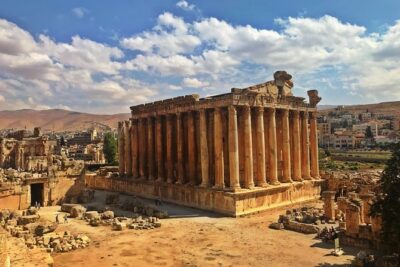
PRIVATE Wine Tasting Tour to the Bekaa Valey Fabulous Wineries
Read our review →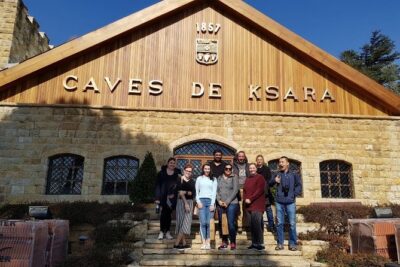
Journey Through Lebanese Wine: A Private Tour in the Beqaa Valley
Read our review →
Baalbek, Anjar & Wine: A Journey Through Lebanon’s Heritage
Read our review →
Browse the lists this tour appears in