
Reviewed · WINE TOURS
Journey Through Lebanese Wine: A Private Tour in the Beqaa Valley
Lebanon’s Beqaa Valley is the country’s wine country, and this full-day trip gives you a comfortable way to reach three of its best-known producers. I like the private vehicle and hotel pickup, which remove the usual transport fuss, and I like the mix of large, established Château Ksara with smaller family-run Château St Thomas.
The main consideration is cost beyond the advertised $65 per person. Winery admission and lunch are not included, so you should allow extra money and confirm tasting fees before departure. The day also lasts about eight hours, with roughly one hour at each winery, so this is a structured tour rather than a slow, leisurely vineyard visit.
Key points at a glance
- Three very different winery stops: Compare Lebanon’s oldest and largest winery with a 300-hectare estate and a family-run producer.
- Private travel from Beirut: Hotel pickup, drop-off, and an air-conditioned vehicle make the long day easier.
- A guide adds local context: Imad is the named guide associated with the experience and is noted for tailoring the day to the group.
- Château Ksara has a long story: Founded by Jesuit priests in 1857, it helped introduce dry wine to Lebanon.
- Lunch and admissions cost extra: Build those expenses into the real price before booking.
- A good fit for curious wine drinkers: You get both tastings and a look at Lebanon’s place in the wider wine world.
From Beirut to the Beqaa Valley
The tour begins at 9:00 am with pickup from your Beirut hotel. That start gives you a full day in the valley without asking you to arrange a rental car, navigate unfamiliar roads, or decide who will drive after wine tasting.
Your transport is a private, air-conditioned vehicle with a driver. Only your group takes part, which is important here. A private format lets the guide adjust the pace and conversation to your interests instead of following a large coach group through every stop.
The Beqaa Valley gives the tour its setting and purpose. You are not simply visiting tasting rooms around Beirut. You are heading to the area where Lebanon’s major vineyards and wineries operate, with three stops that show different sides of the local wine business.
The guide is listed as Imad in the experience details. His role is more than getting you from one cellar to the next. He shares information about Lebanon and its winemaking traditions, and the private setup gives him room to shape the day around your questions.
The drive itself is part of the experience, but the exact road time is not provided. Since the full outing lasts about eight hours, expect a substantial day with driving between visits. Wear something comfortable and keep your schedule clear for the afternoon.
More Beirut wineries worth an afternoon:
- Lebanon Wine Tasting Tour From Beirut
★ 4.5 · 25 reviews - PRIVATE Tour of Baalbek Temples, Umayyad Anjar & Ksara Winery
★ 5.0 · 12 reviews - Anjar, Baalbek & Ksara Winery
★ 5.0 · 11 reviews
Château Ksara and Lebanon’s modern wine story
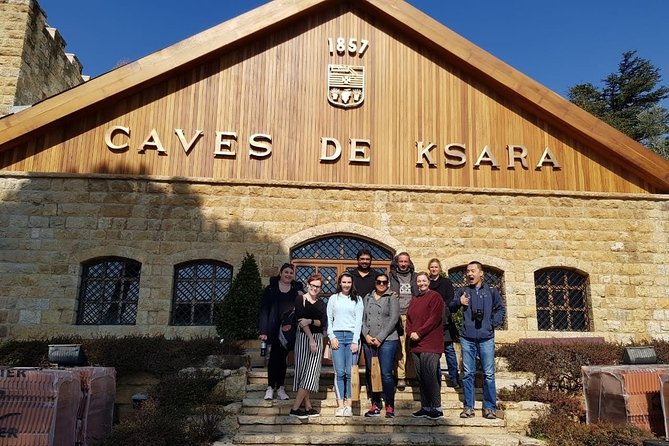
Your first winery is Château Ksara, founded in 1857 by Jesuit priests. It is described as Lebanon’s oldest and largest winery, and its scale gives you a useful opening chapter for the day.
Ksara developed the first dry wine in Lebanon. That detail matters because it places the winery in the country’s modern wine story, not just in its current commercial market. The producer now makes about three million bottles each year and exports to more than 40 countries.
For you, that means the first stop offers a look at a major national brand rather than a tiny cellar. Its wines are among the most popular in Lebanon, so this is a sensible place to begin if you want to understand what many people in the country drink and what Lebanese producers send abroad.
The visit lasts about one hour. That is enough time for an introduction and tasting, but not enough for an unhurried exploration of every corner of a large winery. Admission is not included, so check the current entry or tasting charge before you go.
I would treat Ksara as the broad introduction. It gives you a sense of the country’s wine industry at scale, while the later stops add detail about vineyards, grape varieties, and family production.
Château Kefraya’s high terraces and changing temperatures
Château Kefraya brings a different focus. Its vineyard covers 300 hectares of terraced slopes at about 1,000 meters above the Mediterranean Sea, making it one of the largest and most visually significant stops on the route.
The estate grows several grape varieties and uses them in blends. That variety gives you something to compare with the wines at Ksara. Instead of thinking of Lebanese wine as one fixed style, you can pay attention to how producers combine grapes and how the growing site shapes the final bottle.
The vineyard’s planting density is listed at 4,000 vines per hectare, and the vines are mainly trellised. You may not need to remember the numbers, but these details help explain that this is a serious agricultural operation, planned on a large scale rather than a small family plot.
The valley’s day and night temperatures vary greatly. Those changes help the grapes ripen well and support good harvest conditions. It is a useful point to ask about during the visit, since temperature differences are one of the clearest ways a vineyard’s setting can affect its grapes.
You spend about one hour here, with admission again not included. The stop should appeal to you if vineyard structure and grape growing interest you as much as the tasting itself. It also gives the day a strong visual pause after the first winery.
Do not expect the tour description to promise a long vineyard walk or a full meal at the estate. The confirmed format is a one-hour winery visit, so keep your expectations focused on tasting and explanation rather than a full estate day.
Château St Thomas and a family legacy
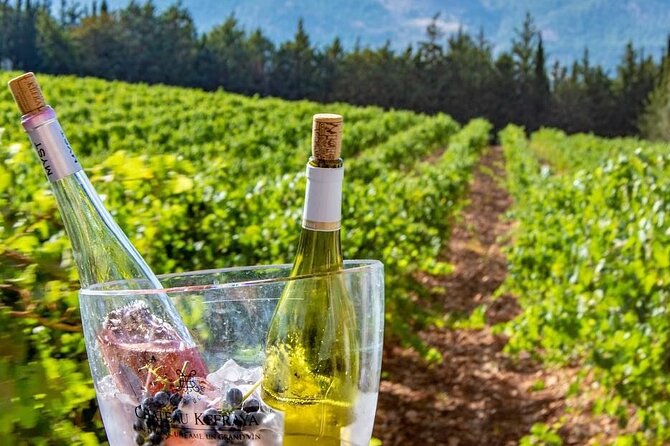
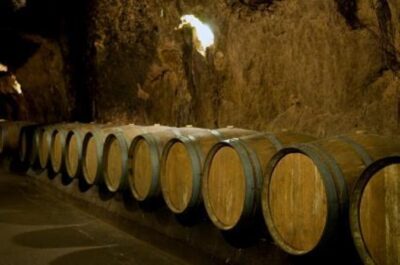
The third stop, Château St Thomas, shifts from large-scale production to a family story. The estate covers 65 hectares and includes a storehouse used for fermentation and ageing.
It was established in 1990 by Saïd Touma and his family on a hill overlooking the Beqaa Valley. Saïd Touma brought more than 55 years of experience in distillation and grape fermentation, and his family also carried on the production of arak, Lebanon’s national drink.
That connection adds an important local layer. The visit is not only about bottled wine. It also links winemaking with arak, a traditional grape spirit, and with knowledge passed through a family. Saïd’s son, Joe-Assaad, inherited that production legacy.
At about one hour, this is another focused stop. You can compare the feel and story of a family estate with the wider reach of Ksara and the large vineyard operation at Kefraya. Those contrasts are one of the best reasons to visit three wineries in one day.
The tour does not specify which wines you will taste at each stop. The description does promise samples of different wines, so you can expect variety across the day, but you should not book this expecting a fixed list of bottles or a guaranteed arak tasting.
A few more Beirut days worth weighing up
- Jeita Grotto,Harissa&Byblos Full-Day PRIVATE-CAR Trip from Beirut
★ 5.0 · 222 reviews - Private Anjar and Baalbek Tour from Beirut with Departure Ticket
★ 5.0 · 79 reviews - Guided Private Full Day Tour to Baalbek, Anjar and Chateau Ksara
★ 5.0 · 60 reviews - Semi-Private Tour to Jeita Grotto, Harissa & Byblos with Lunch
★ 5.0 · 52 reviews
Why the private format matters
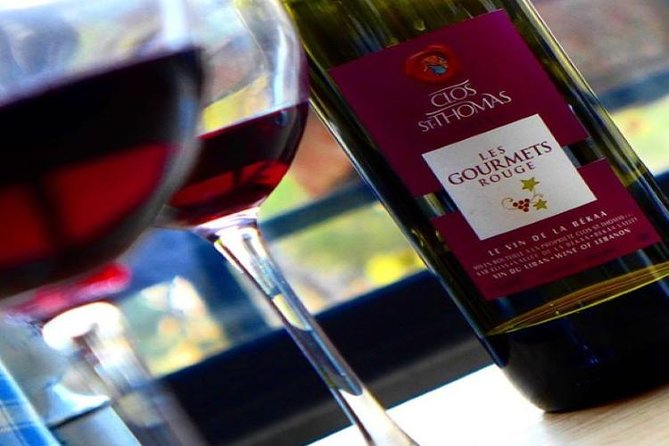
A private tour is not automatically better for every budget, but it has clear value in this setting. You get pickup and drop-off from your Beirut hotel, a private vehicle, and a tour leader. That combines transport and guiding in one day.
For a wine tour, private transport also removes the need to drive between wineries. That is a practical safety benefit, even though the experience does not make a specific statement about alcohol limits or designated driving arrangements beyond providing a driver.
The format works especially well if your group has different interests. One person can ask about grape varieties, another can focus on Lebanon’s wine history, and another can simply enjoy the valley views and tastings. With only your group present, the guide can respond without holding up a busload of people.
Imad is praised in the supplied tour details for sharing history and wine knowledge, making sure the group experienced the key parts of the day, and tailoring the trip. I would still treat the guide assignment as something to confirm, since guide availability can change.
The tradeoff is that private tours can cost more than a shared excursion. At $65 per person, this one is reasonably attractive if you are traveling with two or more people and value door-to-door transport. The price becomes less complete once you add lunch and winery admissions, which are excluded.
What the $65 price really covers
The listed price covers the core logistics: private vehicle transport, hotel pickup and drop-off, an air-conditioned vehicle, and a tour leader. Those are the pieces that can be awkward and costly to arrange on your own from Beirut.
It does not cover lunch. Since the trip lasts about eight hours, plan for a meal or ask the provider how lunch fits into the day. The supplied details do not name a restaurant, include food, or promise a meal at one of the wineries.
Admissions are also not included at Château Ksara, Château Kefraya, or Château St Thomas. The amount of those fees is not provided, so you should ask for the current total before booking. This is the most important price question because tasting charges can change the final cost.
I see the tour as good value for a visitor who wants a private day without renting a car. It is less compelling if you are mainly looking for an inexpensive tasting and do not need hotel transport. In that case, the extra charges and full-day format may feel heavier than expected.
Group discounts are offered, though no discount amount is given. If you are booking for several people, ask how the reduction applies and compare it with the per-person price shown.
How to prepare for the winery visits
Start with a proper breakfast. The tour leaves at 9:00 am and lasts most of the day, while lunch is not included. Carry water and keep some space in your schedule for the return to Beirut.
Bring a phone with the mobile ticket available. Confirmation is received at booking, and mobile ticketing makes the start easier when the driver arrives at your hotel.
Ask about tasting fees and lunch before departure. These are not minor points because both are excluded. You may also want to ask which wineries are confirmed for your date, since the experience details describe the three stops but do not explain how seasonal schedules are handled.
Comfortable clothing makes sense for a day in a private vehicle and winery settings. The tour information does not promise a particular walking route, so you do not need to prepare for a strenuous hike, but you should be ready for a full day away from your hotel.
Most people can participate, according to the supplied information. Specific accessibility details are not given, so contact Beirut Daily Tours if you need step-free access, help with vehicle entry, or other arrangements.
Who will enjoy this Beqaa Valley day
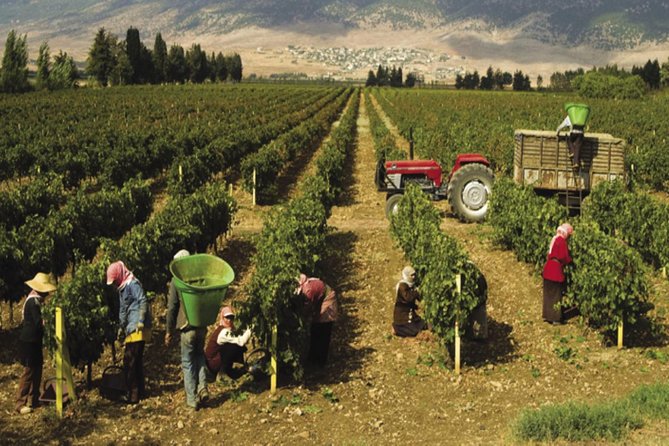
I would recommend this tour to wine drinkers who want context, not just a glass in a tasting room. The three producers give you a useful comparison: Ksara’s national scale, Kefraya’s extensive high-altitude vineyard, and St Thomas’s family background.
It also suits visitors based in Beirut who do not want to plan a rural day by themselves. Hotel pickup and private transport save time and remove several decisions. That convenience is the heart of the tour’s value.
Couples, families with adult children, and small groups should all find the private format useful. Group discounts may help larger parties, though the exact deal needs to be confirmed.
I would hesitate to book it if you want a slow, highly specialized wine course. Each winery visit lasts about one hour, and the tour is designed to cover three producers in one day. You will get an introduction to each, not an in-depth technical study of every vineyard and vintage.
It may also disappoint anyone expecting lunch, admission, or a detailed schedule of every tasting to be included. Those costs and details are left open, so ask questions before paying.
Cancellation and practical booking notes
You can cancel for a full refund if you do so at least 24 hours before the 9:00 am start time. Cancellations made within 24 hours are not refunded, and changes made inside that period are not accepted.
The cut-off uses local time in Lebanon. Confirmation arrives at booking, and the activity offers a mobile ticket.
The tour is private, but the supplied details do not give a maximum group size. If you are booking for a large party, confirm the vehicle capacity and group discount directly with Beirut Daily Tours.
Should you book this Lebanese wine tour?
Book it if you want an easy, private route from Beirut to the Beqaa Valley and like the idea of comparing three distinct Lebanese wineries in one day. The strongest parts are the door-to-door transport, the private guide-led format, and the clear contrast between Ksara, Kefraya, and St Thomas.
Before booking, ask for the current winery admission fees, lunch arrangements, and guide confirmation. At $65 per person, the base price is appealing for a private day, but the final bill will be higher because food and admissions are extra.
For a first look at Lebanese wine, this is a well-shaped outing. It gives you local history, vineyard facts, family tradition, and a safe ride back to Beirut without making you organize the complicated parts yourself.
FAQ
Where does the tour begin?
The tour begins with pickup from your Beirut hotel at 9:00 am.
How long does the experience last?
The tour lasts approximately eight hours.
Is hotel pickup included?
Yes. Hotel pickup and drop-off are included.
Is transportation private?
Yes. You travel in a private, air-conditioned vehicle with a driver, and only your group participates.
Which wineries does the tour visit?
The planned stops are Château Ksara, Château Kefraya, and Château St Thomas in the Beqaa Valley.
Are winery admission fees included?
No. Admission tickets for the three winery visits are not included in the tour price.
Is lunch included?
No. Lunch is not included.
Who leads the tour?
A tour leader is included. Imad is the guide named in the supplied experience details, though you should confirm the assigned guide when booking.
Can most people participate?
Yes. The activity information says most people can participate. Specific accessibility details are not provided.
Can I cancel for a full refund?
Yes, if you cancel at least 24 hours before the experience starts. Cancellations within 24 hours are not refunded.
Just added around Beirut
- Beirut to Sidon, Tyre and Maghdouché: Daily Tours with Lunch★ 5.0 · 3 reviews
- Exploring Beirut’s Past: A Private Guided Historical Tour★ 5.0 · 3 reviews
- Chouf Charm: Private Journey Through Lebanon’s Historic Heartland★ 4.5 · 3 reviews
- Hike Chouwen★ 5.0 · 3 reviews
- Private Trip to Beiteddine, Deir el Qamar & Maaser el Chouf Cedars★ 4.5 · 3 reviews
- Small-Group Tour with Lunch to Baalbek, Anjar and Ksara★ 5.0 · 3 reviews
- Lebanese wineries guided tour with tastings & lunch★ 4.9 · 3 reviews
- Baalbek, Anjar & Wine: A Journey Through Lebanon’s Heritage★ 5.0 · 3 reviews
Wine Tours, compared.
PRIVATE Tour of Baalbek Temples, Umayyad Anjar & Ksara Winery
Read our review →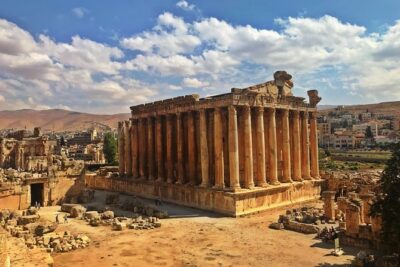
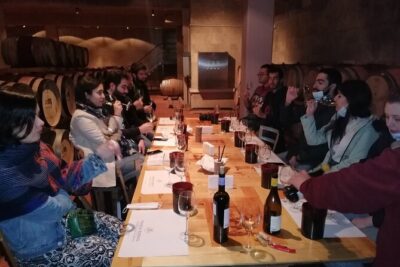
PRIVATE Wine Tasting Tour to the Bekaa Valey Fabulous Wineries
Read our review →
Baalbek, Anjar & Wine: A Journey Through Lebanon’s Heritage
Read our review →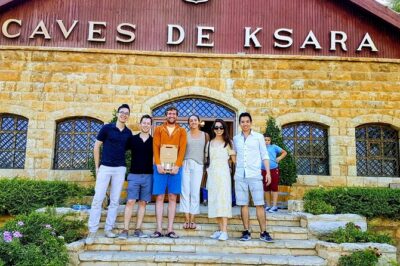
Browse the lists this tour appears in