
Reviewed · BEIRUT CITY TOURS
PRIVATE Beirut Historical Walking Half Day Tour
Beirut’s past is not tucked away in one museum. It is written across rebuilt streets, ancient stones, war-damaged buildings, and religious landmarks standing close together. This private tour gives you a useful introduction, beginning at the National Museum and continuing on foot through central Beirut before ending at the sea.
I especially like the door-to-door pickup, which saves you from sorting out city transport, and the chance to spend real time with a local guide such as David or Dave. Their explanations connect Lebanon’s ancient past with the civil war and more recent events. The main consideration is pace: this is a compact half-day outing, so the downtown walk covers many places without offering long, quiet visits at each one.
Key points at a glance
- The National Museum comes first, giving you a foundation in Lebanese archaeology and a look at how the museum survived years of conflict.
- David or Dave brings local perspective, including personal memories of growing up in Beirut and living through difficult periods.
- Central Beirut packs in major sights, from Martyrs Square and the Roman baths to Mohammad Al-Amin Mosque and St. George Maronite Cathedral.
- The tour is private, so only your own group takes part and the guide can be flexible with the plan.
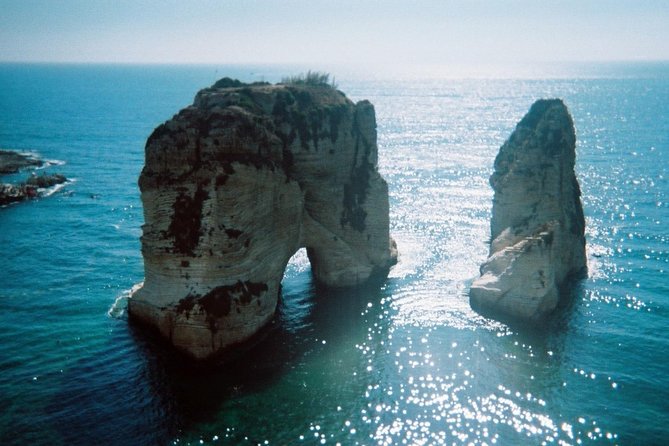
- Pigeon Rocks provides the big visual finish, with a short drive from downtown to Raouche and the Corniche.
- The $93.34 price includes transport and entrance costs, making it most useful when you value a private guide and have only a few hours.
Why Beirut makes sense with a local guide
Beirut can be confusing at first glance. Ancient remains sit beside modern buildings. Christian and Muslim landmarks share the same central district. Rebuilt shopping areas can look polished until you learn what stood there before the war.
That is where this tour earns its keep. You are not simply shown a Roman bath or a grand mosque. You get the political and social links between the places. The guide begins with a city briefing and may use a map and an audio presentation to explain Beirut’s layout and Lebanon’s complicated modern story.
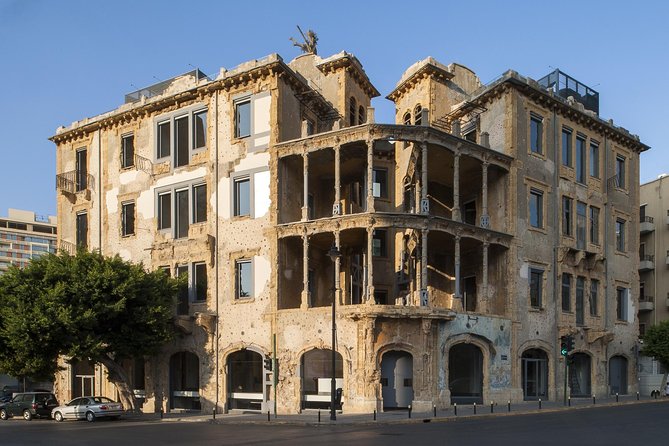
The city has been destroyed and rebuilt many times. Natural disasters caused some of the earlier destruction, while the Lebanese Civil War from 1975 to 1990 left a much deeper mark. Downtown was badly damaged and later restored in the 1990s. A guide who has lived through part of that period can explain details that a sign or guidebook cannot.
David, also called Dave, is the guide most often identified with this experience. His approach is conversational and open to questions. You can expect political history, local context, and personal memories rather than a fast list of dates. If you prefer a tour that stays strictly archaeological, this may feel broader than expected. If you want to understand how Beirut became the city you see today, that breadth is a major advantage.
More ways to see Beirut on foot:
- City Sightseeing Beirut Hop-On Hop-Off Bus Tour
★ 4.5 · 87 reviews - Airport Arrival Transfer to Your Beirut Hotel
★ 5.0 · 87 reviews - Authentic Lebanese Cooking Lesson and Meal with Tania’s Family in Beirut
★ 5.0 · 62 reviews
The National Museum and Beirut’s protected past
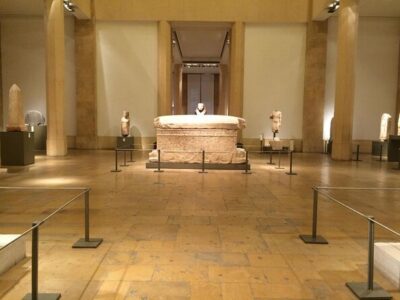
The morning begins with a drive to the National Museum of Beirut on the eastern side of the city. The museum was built in the 1940s, damaged during the war, and revived in the 1990s.
That timeline gives the visit extra meaning. You are looking at archaeological discoveries in a building that itself reflects Beirut’s troubled modern past. The introduction before entering helps explain what you are seeing and why the museum mattered during the conflict.
The museum is not treated as a quick box to check. It is the historical anchor for the rest of the morning. Ancient objects and discoveries establish Lebanon’s long story, while the guide’s explanation shows how those earlier eras connect with the city outside.
I like this order. Starting indoors gives you dates, names, and a basic map before you walk through downtown. It also helps you understand that Beirut is not only a modern capital shaped by war. Its story reaches far back, and the museum makes that clear.
Allow for a focused visit rather than expecting to examine every display at length. The whole experience lasts about three to four hours, and several central sights still follow. If the museum is your main reason for booking, ask at the start how much time can be given to it.
Solidere and the rebuilt central district
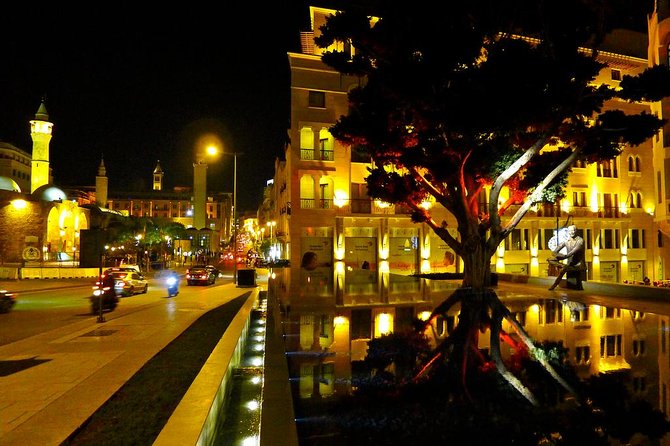
After the museum, the tour moves toward central Beirut and the Solidere area. This district was heavily damaged during the Lebanese Civil War and restored in the 1990s.
The rebuilt center is worth seeing, but it can also raise questions. Restored facades and organized streets give the area a polished appearance. Without context, you might miss the scale of the earlier destruction or the debate over what restoration preserves and what it changes.
The guide points out major civic and historic features, including the parliament house and government palace. You are given a sense of how the central district functions as Beirut’s political heart, not just as a place for shopping and cafes.
This is one of the strongest parts of the outing for first-time visitors. The guide can pause at different points and explain how the city’s center was reshaped. You get a clearer picture of the contrast between old Beirut, wartime damage, and postwar rebuilding.
The drawback is that restored downtown can feel less traditionally Lebanese than other parts of the city. That is not a reason to skip it. It is a reason to listen closely and look past the clean surfaces.
Martyrs Square and the city’s competing memories
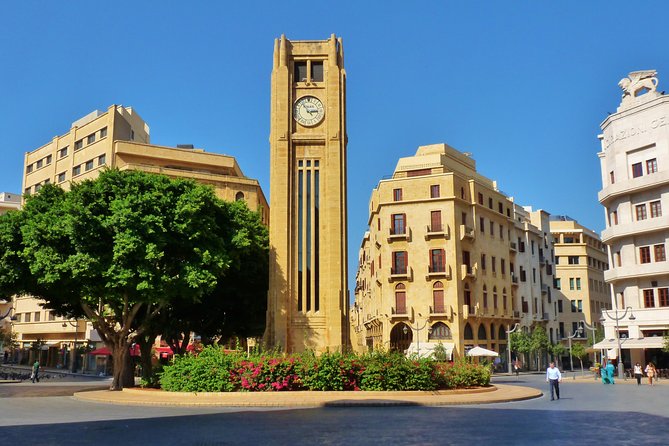
The walk continues through Place des Martyrs, or Martyrs Square. This is one of the most important public spaces in central Beirut, and it brings together several of the tour’s main themes: nationalism, religion, war, and reconstruction.
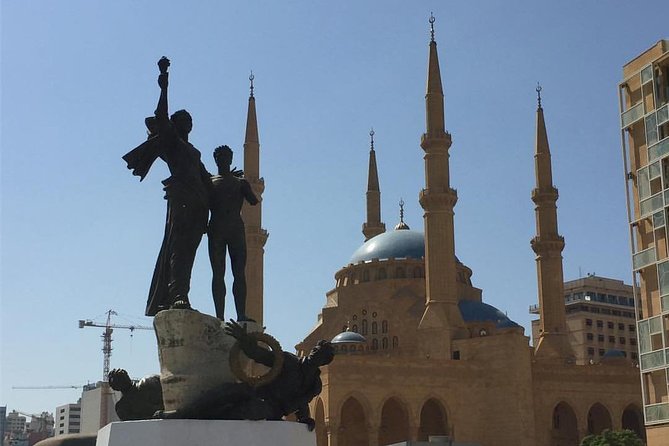
Nearby, you see the Mohammad Al-Amin Mosque, St. George Maronite Cathedral, the Roman baths, and Star Square. The close grouping of a major mosque and a Maronite cathedral is especially useful for understanding Beirut’s religious mix. You do not need to travel far to see how different communities have shaped the city.
The Roman baths add another layer. Ancient remains appear amid the modern center, a reminder that Beirut has been an urban place for many centuries. The ruins are not a separate archaeological park experience. They are part of the working city, encountered during the walk.
This section rewards a guide who explains rather than simply points. The central district can seem like a collection of disconnected sights. David’s strength, based on the way the tour is conducted, is linking them through political and cultural background.
Wear comfortable shoes. The tour is called a walking tour for good reason, even though the vehicle handles the longer transfers. You will cover several central locations on foot, and the schedule leaves little room for lingering at every photo stop.
More ancient sites near Beirut:
- Historical Beirut Tour (AM) Half Day – (4G on Board)
★ 4.0 · 16 reviews - Temple of Eshmun – Mleeta Landmark – Beaufort Castle
★ 5.0 · 9 reviews - Guided Half-Day Private Beirut Historical Tour
★ 5.0 · 6 reviews - Sidon & Tyre Unesco Heritage w/pick-up, guide, entries+lunch
★ 4.9 · 6 reviews
Beirut Souks and the changing face of downtown
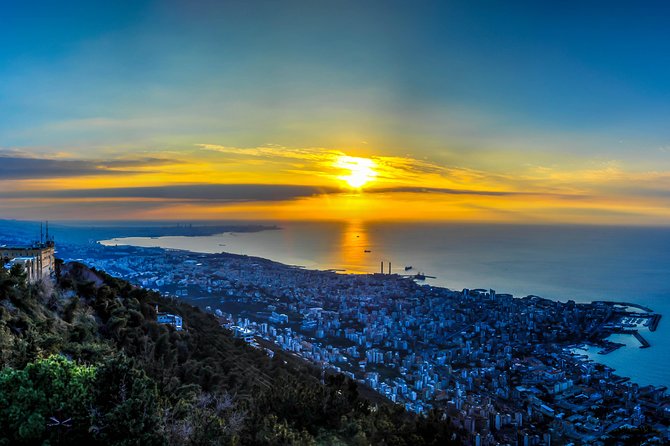
The Beirut Souks were completely demolished during Lebanon’s wars and later rebuilt as an open-air shopping center in the central district.
That makes the souks more interesting than a standard retail stop. You can see how commerce has been used as part of downtown’s return. The area is modern and restored rather than an untouched old market, so set your expectations accordingly.
I would treat this as a short orientation stop, not as a shopping expedition. The tour gives you a chance to see the design and position of the souks while the guide explains what happened to the area. If you want to shop or eat, you may need to arrange extra time outside the tour.
The souks also reinforce a useful point about Beirut: reconstruction can create a new version of an old place. That does not make it unimportant, but it does mean you should distinguish between historic fabric and modern redevelopment.
Pigeon Rocks and Raouche by the sea
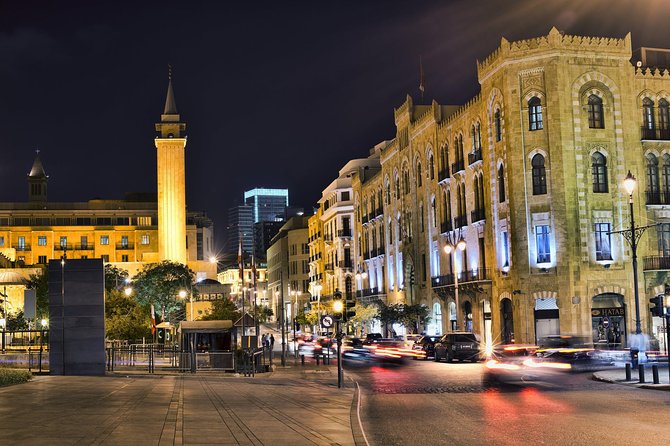
The final major sight is Pigeon Rocks in Raouche, reached by vehicle from central Beirut. These offshore rock formations are widely recognized as a symbol of the city.
The stop is short, about 15 minutes, but it gives you a sharp change of mood after the museums, ruins, government buildings, and religious sites. The sea opens up, and the rocks provide one of Beirut’s most recognizable views.
The tour information also includes the Corniche and a sunset visit. Since the advertised start time is 9:00 a.m., the exact timing of the waterfront portion may depend on the day’s schedule and how long earlier stops take. Ask your guide if seeing the sunset is important to you.
Do not expect a long seaside walk here. The value is the viewpoint and the contrast with downtown. Pigeon Rocks is a quick photo stop, not a full afternoon along the water. Still, it is a smart ending because it shows Beirut as a coastal city after spending most of the tour among its historical and political landmarks.
What the private format changes
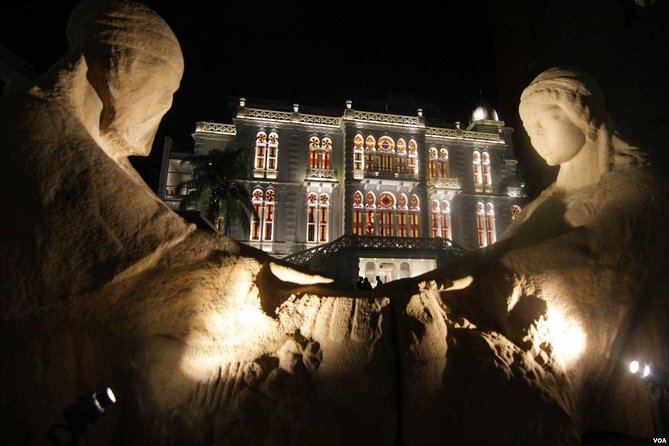
This is a private activity, so only your group participates. That matters in Beirut, where the best questions often concern sensitive or complicated subjects. You can ask for more context about the civil war, religion, reconstruction, or current events without waiting for a large group to catch up.
The guide can also be flexible with the plan. One direct comment describes a reliable guide who adjusted plans when needed. That does not mean every stop can be extended indefinitely, especially within a three to four hour schedule, but it does suggest a more personal format than a fixed coach excursion.
Pickup and drop-off are offered from Beirut city hotels. The air-conditioned vehicle handles the museum transfer, downtown connections, and the drive to Raouche. All fees and taxes are included, though lunch is not.
The experience requires a minimum number of guests to operate, despite being private once confirmed. Most people can participate, but the supplied details do not specify accessibility arrangements, so ask the operator if you have mobility concerns.
Is $93.34 per person fair?
At $93.34 per person, this is not the cheapest way to see Beirut’s center. You are paying for a private guide, a vehicle, hotel pickup and drop-off, entrance costs, and a concentrated four-hour introduction.
The value is strongest if you are short on time or do not want to organize taxis between distant areas. It is also good value for a small group that wants direct conversation and the freedom to ask questions. Group discounts may improve the price for larger parties.
The price is less appealing if you mainly want to walk downtown on your own, spend a long time in the museum, or linger beside Pigeon Rocks. This tour covers a lot, but it does so in a compact window. Lunch is not included, so plan that separately after the tour.
For a first visit, I would see the cost as payment for orientation and interpretation, not just transport. Beirut’s sights are more rewarding when you understand the damage, rebuilding, and religious history behind them.
Who should book this Beirut tour?
I would choose this experience if you have only four or five hours available and want a broad first look at the city. It suits history-minded visitors, cruise passengers with limited time, couples, families, and small groups who prefer a private guide.
It is especially useful if Lebanon’s modern political story matters to you. The tour does not avoid the civil war or recent events, and David’s personal experience gives those subjects a human scale.
You may want something else if your priority is food, nightlife, detailed museum study, or a slow photography walk. The schedule is built around coverage. You see the major pieces of Beirut, then decide which ones deserve a longer return visit.
Practical timing and booking advice
The stated start time is 9:00 a.m., and the total duration is approximately three to four hours. The listed stop descriptions include longer time blocks for the museum, central Beirut, and the souks, but actual timing can vary depending on traffic, walking speed, questions, and the group’s interests.
Book early if your schedule is tight. Confirmation is normally provided at booking, while reservations made within 12 hours of departure are confirmed as soon as possible, subject to availability. Free cancellation is available up to 24 hours before the start time. Changes or cancellations inside that window are not accepted for a refund.
Bring comfortable footwear and keep some flexibility in your morning. The vehicle makes the tour convenient, but the central portion is still a real walk. Since lunch is excluded, finish with a meal in the city or make your own plan afterward.
Should you book it?
Book this tour if you want Beirut explained by someone who knows its streets and lived through part of its recent story. The combination of the National Museum, rebuilt downtown, ancient remains, major religious buildings, Beirut Souks, and Pigeon Rocks gives you a strong first framework in only a few hours.
I would skip it only if you want a slow, single-subject visit. For most first-time visitors with limited time, the private format, included transportation, and local interpretation make the $93.34 price reasonable. You leave with more than a set of photographs: you understand why Beirut looks the way it does.
FAQ
How long does the Beirut Historical Walking Half Day Tour last?
The tour lasts approximately three to four hours.
What time does the tour start?
The stated start time is 9:00 a.m.
Is hotel pickup included?
Yes. Pickup and drop-off are offered from hotels in Beirut city.
Is this a private tour?
Yes. Only your own group participates in the activity.
Who guides the tour?
The driver and guide is identified as David or Dave in the tour information and guest comments.
What places are visited?
The tour includes the National Museum of Beirut, Solidere and downtown Beirut, Martyrs Square, Mohammad Al-Amin Mosque, St. George Maronite Cathedral, the Roman baths, Star Square, Beirut Souks, Pigeon Rocks in Raouche, and the Corniche.
Are entrance fees included?
Yes. All fees and taxes are included, including the admission described for the museum and downtown stops.
Is lunch included?
No. Lunch is not included in the tour price.
What transportation is provided?
An air-conditioned vehicle is provided, along with pickup and drop-off from Beirut city.
Can I cancel for a full refund?
Yes, if you cancel at least 24 hours before the experience start time. Cancellations made less than 24 hours before departure are not refunded.
More Walking Tours in Beirut
- Beirut Full Day Walking Tour
★ 5.0 · 14 reviews - Beirut: Private Walking Tour With A Guide (Private tour)
★ 4.9 · 9 reviews
Just added around Beirut
- Beirut to Sidon, Tyre and Maghdouché: Daily Tours with Lunch★ 5.0 · 3 reviews
- Exploring Beirut’s Past: A Private Guided Historical Tour★ 5.0 · 3 reviews
- Chouf Charm: Private Journey Through Lebanon’s Historic Heartland★ 4.5 · 3 reviews
- Hike Chouwen★ 5.0 · 3 reviews
- Private Trip to Beiteddine, Deir el Qamar & Maaser el Chouf Cedars★ 4.5 · 3 reviews
- Small-Group Tour with Lunch to Baalbek, Anjar and Ksara★ 5.0 · 3 reviews
- Baalbek, Anjar & Wine: A Journey Through Lebanon’s Heritage★ 5.0 · 3 reviews
- Lebanese wineries guided tour with tastings & lunch★ 4.9 · 3 reviews
Beirut City Tours, compared.

Authentic Lebanese Cooking Lesson and Meal with Tania’s Family in Beirut
Read our review →
Beirut: Jeita Grotto, Harissa, Byblos group tour & Guide
Read our review →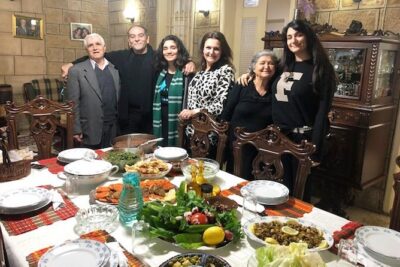
Private Lebanese Cooking Class in Beirut with Amal + Transfers
Read our review →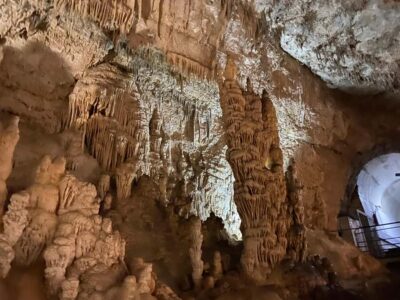
Lebanon: Beirut, Jeita Grotto, Byblos Private Tour and Lunch
Read our review →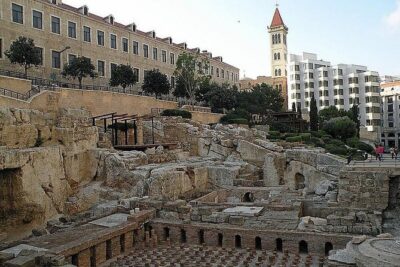
Historical Beirut Tour (AM) Half Day – (4G on Board)
Read our review →
Authentic Lebanese Meal in Beirut in Tania’s Family Home
Read our review →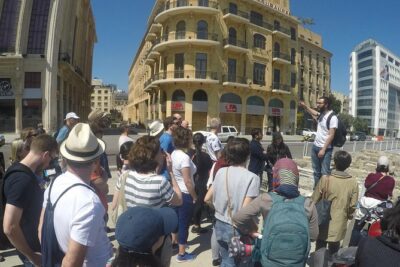
Browse the lists this tour appears in