
Reviewed · JEITA GROTTO & HARISSA TOURS
Jeita Grotto,Harissa&Byblos Full-Day PRIVATE-CAR Trip from Beirut
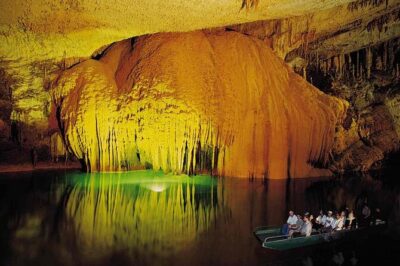
Jeita Grotto is the star here: two limestone caves with nearly 10 kilometers of passages, huge chambers, and formations shaped by water over time. Add the hilltop statue at Harissa and the ancient port of Byblos, and you get three of Lebanon’s best-known sights without wrestling with Beirut traffic.
I like the private door-to-door car and the sensible northbound route. I also like the freedom to explore on your own timetable, with drivers such as Harake, Ali, and Ziad praised for clear explanations, patience, and help with photos or small changes to the day. The main thing to know is that this is not necessarily a fully guided archaeological tour. Your driver provides site context, but you may spend much of the day exploring independently.
Key points to know before booking
- Jeita Grotto comes first, when your energy is fresh, with roughly an hour and 15 minutes to two hours at the cave complex.
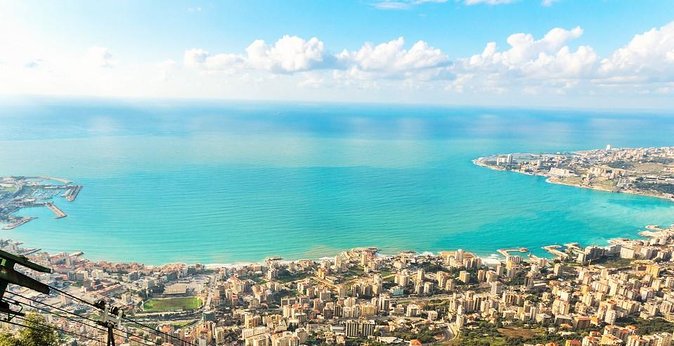
- Harissa offers broad views over Jounieh Bay, plus the option of reaching Jounieh by cable car if it is operating.
- Byblos combines a marina walk, ruins, a Crusader castle, and an old souk in a compact historic center.
- The car is private to your party, so you avoid a fixed group schedule and can request reasonable pauses.
- The $75 price excludes all entrance fees and lunch, so budget beyond the advertised fare.
- Good shoes matter, since the day includes cave visits, historic ruins, stairs, and walking on old streets.
Why this private Beirut day trip works
This outing covers a lot of ground in eight to nine hours, but the route makes sense. You leave Beirut at 8:30 a.m., head north toward the Keserwan coast, visit the cave system inland, rise to Harissa, descend toward Jounieh, and finish in Byblos before returning to the capital.
That matters because Lebanon is compact on a map but not always quick by road. Traffic around Beirut can be tiring, and the driver handles the route, parking, and return journey. I would choose this format if you want to see several headline sights in one day but do not want to spend time arranging taxis between them.
The experience is private, not a shared minibus outing. Only your own group participates, which gives you more room to ask for a photo stop, pause for a snack, or adjust the pace. The flexibility has limits, of course. You still need to fit three major stops into one day.
The company supplies an English-speaking local leader or driver and brief explanations at each site. The quality of guiding may depend on the person assigned. Harake is repeatedly singled out for fluent English, safe driving, patience, and historical background. Ali is praised for consideration and flexibility, while Ziad is described as helpful with photos and explanations about Lebanese culture and history.
Still, set your expectations correctly. One account describes the experience as transport with a friendly driver rather than a formal guided tour. If you want detailed commentary beside every ruin, you may need to read a little before leaving Beirut or arrange a dedicated guide.
More Jeita Grotto and Harissa runs:
- Guided Small-Group Tour to Jeita, Harissa, Byblos with Lunch
★ 5.0 · 361 reviews - Jeita Grotto – Harissa – Byblos Trip
★ 5.0 · 169 reviews - Byblos, Jeita Grotto & Harissa Day Trip -With Lunch (4G on Board)
★ 4.5 · 145 reviews
Jeita Grotto: the most memorable stop
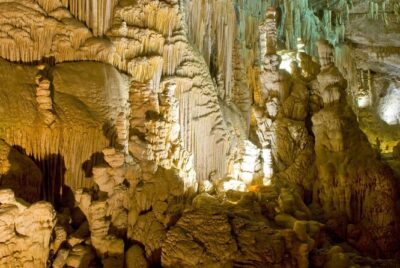
Jeita Grotto is the reason many people book this day. The site is a system of two separate but connected karst limestone caves, with a total length of close to 10 kilometers. You do not walk all of that distance, but the scale gives you an idea of why the caves feel so special.
The upper and lower cave areas offer different ways to see the formations. The cave setting is cool, shadowy, and very different from the sunny coast outside. Stalactites and stalagmites create the visual drama, while the natural chambers give the place a powerful sense of scale.
The planned visit is about one hour and 15 minutes, though the stop is also described as lasting up to two hours. That difference is worth noting. Ask your driver at pickup how much time is available on the day, especially if you want to move slowly or take photographs.
Entrance is not included. You pay the admission cost yourself, and the cave complex may involve separate visitor areas or transport within the site. The supplied information does not give current ticket prices, so check before booking or ask the operator for the latest amount.
Photography rules and access can vary inside cave attractions. I would bring a phone or camera, but I would not build the whole visit around taking pictures. The caves are best appreciated in person, where the darkness, height, and rock shapes are far more impressive than a quick image suggests.
Wear sneakers or firm walking shoes. Lightweight clothing is recommended, but the cave area can feel cooler than Beirut, so a light layer is sensible if you tend to feel cold.
Harissa and Our Lady of Lebanon
From Jeita, the car continues to Harissa, high above Jounieh. The main sight is the large statue known as Our Lady of Lebanon, a significant religious monument and one of the area’s most recognizable landmarks.
The stop is planned for about an hour. You can take in the statue, the hilltop setting, and the view toward Jounieh Bay. This is less about a long museum visit and more about seeing the monument in its setting, with the coast and mountain scenery spread below.
I like the change of mood here. Jeita is enclosed and geological, while Harissa is open, elevated, and tied to Lebanon’s religious identity. The two stops complement each other instead of feeling like repeated versions of the same sight.
The route up the mountain is part of the appeal, though roads can be busy and the timing may shift. Your driver remains with the vehicle and continues with you to the next stage. Ask for a few minutes to enjoy the view rather than rushing straight from the statue back to the car.
The experience includes admission to neither the shrine nor the cable car. Those costs are yours. That is important when comparing the $75 base price with other day trips that may appear more expensive but bundle tickets.
The Harissa cable car option
The Teleferique Harrisa links Harissa and Jounieh and is offered as an option when operating. If the cable car is closed, the group continues by car. The description does not guarantee that the ride will run, so treat it as a possible extra rather than a central promise of the trip.
When available, the ride adds a different view of the coast and makes the move from the hilltop to Jounieh more memorable. It also changes the logistics: your driver waits in Jounieh before taking you onward to Byblos.
The planned time for this part is about an hour, including the cable car or vehicle transfer. Since operating status is not guaranteed, ask about the day’s conditions early in the morning. If you strongly want the cable car, this is one detail to confirm before paying for the tour.
The cable car ticket is not included. Carry some flexibility in your budget for optional admissions and understand that weather or closure can change the plan. The alternative car transfer keeps the day moving, which is better than losing time waiting for a ride that is not running.
More days out in Byblos:
- Semi-Private Tour to Jeita Grotto, Harissa & Byblos with Lunch
★ 5.0 · 52 reviews - Small Group Tour to Jeita Grotto, Harisa & Byblos with Hotel pickup
★ 5.0 · 49 reviews - Private Guided Tour to Jeita Grotto through Harissa and Byblos
★ 5.0 · 48 reviews - New Guided Semi-Private Tour to Jeita Grotto, Harissa & Byblos
★ 5.0 · 47 reviews
Byblos Port and the old Phoenician city
Byblos is the final major sightseeing area and gives the day its strongest historical finish. It is presented as one of the oldest continuously inhabited cities in the world and is protected as a UNESCO World Heritage Site.
Begin at the port. The marina walk gives you an easy introduction to the town, then the route leads toward the castle, archaeological area, and souk. The historic center is compact enough to explore on foot, but allow time for uneven surfaces and pauses in the old streets.
The port is pleasant for a slower walk after the cave and mountain stops. I would use this part to take photographs, look at the boats, and get a feel for Byblos as a living coastal town rather than treating it only as an archaeological site.
The schedule allows about an hour at the port and historic area, followed by 45 minutes at the castle and another 45 minutes in the old souk. That is enough for an overview, not a full archaeological study. If Byblos is your main interest, you may find the time short.
Byblos Castle and the archaeological site
The Crusader castle, also known as the castle of Gibelet, is next to the Phoenician archaeological area. You can choose to enter the castle, but the admission fee is not included.
The ruins beside it include remains associated with the Temple of Baalat Gebal and the Temple of the Obelisks. These names can pass quickly if you are relying only on brief explanations, so I would read a short introduction before the trip if ancient history interests you.
This is also the point where the limits of a driver-led format become clear. Your driver can explain the broad story and direct you to the main areas, but you may not receive the detailed interpretation you would get from a specialist guide. I see that as a fair trade if your priority is independence and private transport.
The castle area can involve steps and uneven ground. Good walking shoes are more useful here than stylish sandals. If someone in your group has medical or mobility needs, mention them in advance. One account describes a driver accommodating accessibility and medical concerns, but this should be arranged rather than assumed.
The old souk and Lebanese lunch
After the castle, you walk through Byblos’s old souk. Small shops sell antiques, souvenirs, local crafts, and other goods. This is a pleasant chance to browse without the pressure of a formal shopping stop.
I would keep expectations realistic. The souk is included as part of the walk, but purchases are optional and no shopping credit is included. Prices and products vary from shop to shop, so compare before buying anything significant.
Lunch follows at a traditional restaurant, with Mediterranean Lebanese food suggested as the choice. Lunch is not included in the tour price. The supplied details do not name the restaurant or give a fixed menu, so ask your driver about the options and budget separately for the meal.
This flexible meal arrangement can work well for different appetites. You can ask for a longer lunch if the schedule allows, or keep it brief if you would rather spend more time in Byblos. The day then returns to Beirut, with the driver dropping you at your location.
What the $75 price really covers
At $75 per person, the value depends heavily on the size of your party. You are paying for a private car, hotel pickup and drop-off, an English-speaking local driver or leader, route planning, and a full day of transport between Beirut, Jeita, Harissa, Jounieh, and Byblos.
For a couple, the per-person price is still reasonable if you value convenience and avoid arranging several separate rides. For a family or small group, the private format becomes more attractive because the vehicle cost is spread across several people, and group discounts may be available.
The headline fare does not cover Jeita Grotto admission, the Harissa shrine, the Teleferique, the Byblos castle, or lunch. Those extras can change the final cost, so I would not compare this tour with another package using the base fare alone.
The upside is that you are not paying for attractions you may choose to skip. You control optional admissions and can decide how much time to spend browsing the souk. The downside is a less predictable final bill.
Who will enjoy this format most
I would recommend this trip for a first visit to Lebanon, especially if you have only a short stay in Beirut. It gives you nature, religious architecture, coastal views, ancient ruins, shopping, and Lebanese food in one well-packed day.
It also suits anyone who dislikes driving in unfamiliar traffic. The private car removes a large practical burden, and the door-to-door pickup is useful if you are staying at a Beirut hotel.
Families and small groups should appreciate the ability to make reasonable requests. A driver can pause for food, ice cream, photographs, or weather, though the day still has a fixed shape. The private setting is also more comfortable than a large group vehicle.
I would hesitate if you want a slow, scholarly visit to Byblos or Jeita. The schedule is broad rather than deep. I would also think twice if every entrance ticket must be included in the upfront price, or if you want a guaranteed cable-car ride.
Confirmation arrives at booking, the start time is 8:30 a.m., and free cancellation is available up to 24 hours before departure. Changes or cancellations inside 24 hours are not accepted for a refund. The trip requires good weather, and a weather cancellation brings either another date or a full refund.
Final verdict: a strong first-day choice from Beirut
I would book this private trip if I wanted to cover Lebanon’s northern highlights efficiently and return to Beirut the same evening. Jeita Grotto gives you the day’s biggest visual payoff, Harissa adds a striking mountain viewpoint, and Byblos supplies the port, ruins, castle, and souk.
The strongest reason to choose it is not simply the number of stops. It is the combination of private transport and freedom to explore without a large group. Drivers such as Harake, Ali, and Ziad have shown the kind of patience and practical help that can make a packed day feel manageable.
Go in knowing what you are buying: a private sightseeing drive with brief explanations, not a guaranteed specialist-led tour. Add money for admissions and lunch, wear proper shoes, and confirm the cable-car situation. If those conditions suit you, this is a good-value way to get beyond Beirut in a single day.
FAQ
What time does the tour start?
Pickup begins at 8:30 a.m. from your hotel or location in Beirut.
How long does the experience last?
The full day lasts approximately eight to nine hours.
Is this a private tour?
Yes. Only your own group participates in the private activity.
Is hotel pickup and drop-off included?
Yes. Pickup and drop-off are included for most Beirut hotels and locations.
Are entrance fees included?
No. Entrance fees for Jeita Grotto, the Harissa shrine, the Teleferique, and Byblos Castle are paid separately.
Is lunch included?
No. Lunch fees are not included in the price.
What happens if the Harissa cable car is closed?
You continue from Harissa to Jounieh by vehicle instead.
What should I wear and bring?
Wear comfortable lightweight clothing suited to the weather and good walking shoes or sneakers.
Can I cancel for a full refund?
Yes, if you cancel at least 24 hours before the local start time. Cancellations or changes made within 24 hours are not refunded.
More Full-Day in Beirut
- Guided Private Full Day Tour to Baalbek, Anjar and Chateau Ksara
★ 5.0 · 60 reviews - Jeita Grotto, Byblos and Harissa Full-Day Tour from Beirut
★ 5.0 · 23 reviews - Full-Day Private Tour to Jeita Grotto, Harissa and Byblos
★ 5.0 · 20 reviews - Beirut Full Day Walking Tour
★ 5.0 · 14 reviews
Just added around Beirut
- Beirut to Sidon, Tyre and Maghdouché: Daily Tours with Lunch★ 5.0 · 3 reviews
- Exploring Beirut’s Past: A Private Guided Historical Tour★ 5.0 · 3 reviews
- Chouf Charm: Private Journey Through Lebanon’s Historic Heartland★ 4.5 · 3 reviews
- Hike Chouwen★ 5.0 · 3 reviews
- Private Trip to Beiteddine, Deir el Qamar & Maaser el Chouf Cedars★ 4.5 · 3 reviews
- Small-Group Tour with Lunch to Baalbek, Anjar and Ksara★ 5.0 · 3 reviews
- Lebanese wineries guided tour with tastings & lunch★ 4.9 · 3 reviews
- Baalbek, Anjar & Wine: A Journey Through Lebanon’s Heritage★ 5.0 · 3 reviews
Jeita Grotto & Harissa Tours, compared.
Guided Small-Group Tour to Jeita, Harissa, Byblos with Lunch
Read our review →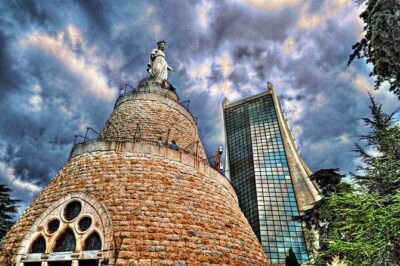
Byblos, Jeita Grotto & Harissa Day Trip -With Lunch (4G on Board)
Read our review →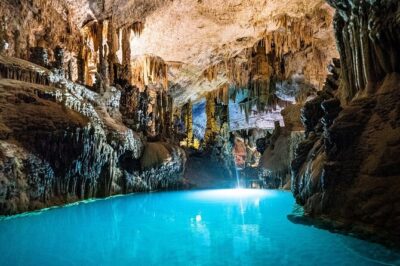
Semi-Private Tour to Jeita Grotto, Harissa & Byblos with Lunch
Read our review →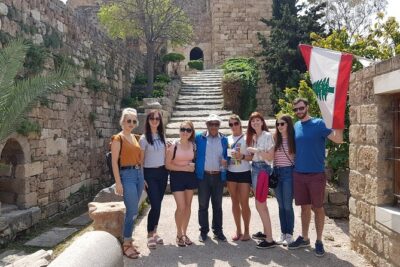
Small Group Tour to Jeita Grotto, Harisa & Byblos with Hotel pickup
Read our review →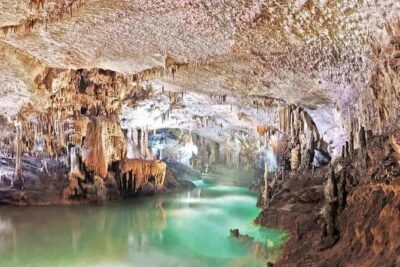
Private Guided Tour to Jeita Grotto through Harissa and Byblos
Read our review →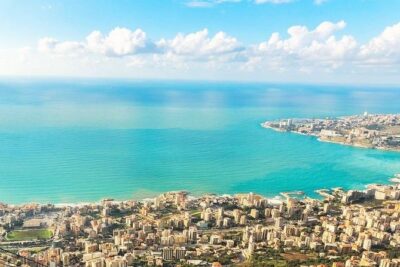
New Guided Semi-Private Tour to Jeita Grotto, Harissa & Byblos
Read our review →
From Beirut: Jeita Grotto, Harissa & Byblos Private Day Tour
Read our review →Browse the lists this tour appears in