
Reviewed · JEITA GROTTO & HARISSA TOURS
From Beirut: Jeita Grotto, Harissa & Byblos Private Day Tour
Jeita Grotto is the star here: a cool, shadowy world of limestone columns, underground water, and vast chambers just outside Beirut. From there, this private day links spiritual sites in the mountains with Byblos, one of the oldest continuously inhabited cities in the world, before ending above Jounieh Bay at Harissa.
I like the private SUV because you can adjust the pace, skip a stop, or add a coastal café, winery, or beach break. I also like the practical touch of Wi-Fi, bottled water, Lebanese coffee, and a driver-guide such as Joseph, who is praised for clear explanations, punctuality, and help with everyday travel questions.
The catch is simple: the extended route tries to cover a lot in nine to ten hours. Jeita, Byblos, Saint Charbel, Batroun, and Harissa can make for a rewarding day, but you will spend substantial time in the vehicle and may need to choose between seeing more places and spending longer at the best ones.
Key points at a glance
- Jeita Grotto combines two very different cave visits: the upper caverns are explored on foot, while the lower section is reached by boat when operating conditions allow.
- Byblos gets proper walking time: the harbor, Crusader fortress area, old souk, churches, mosque, Roman remains, and Memory of Time fossil museum are all part of the experience.
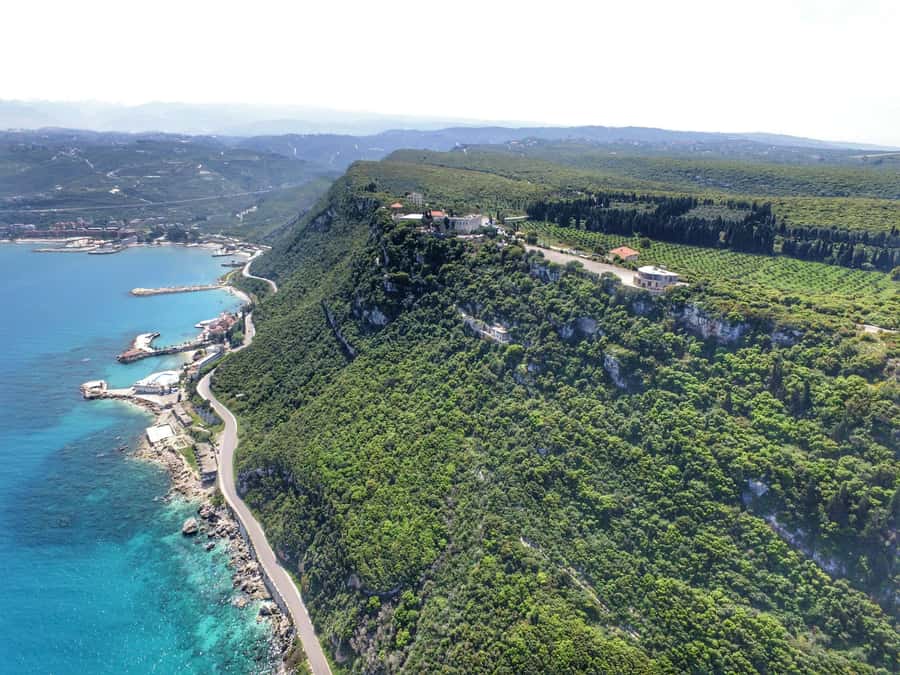
- The itinerary can be spiritual or coastal: add Saint Charbel in Annaya, or continue north toward Mseilha, Batroun, and Our Lady of Noorieh.
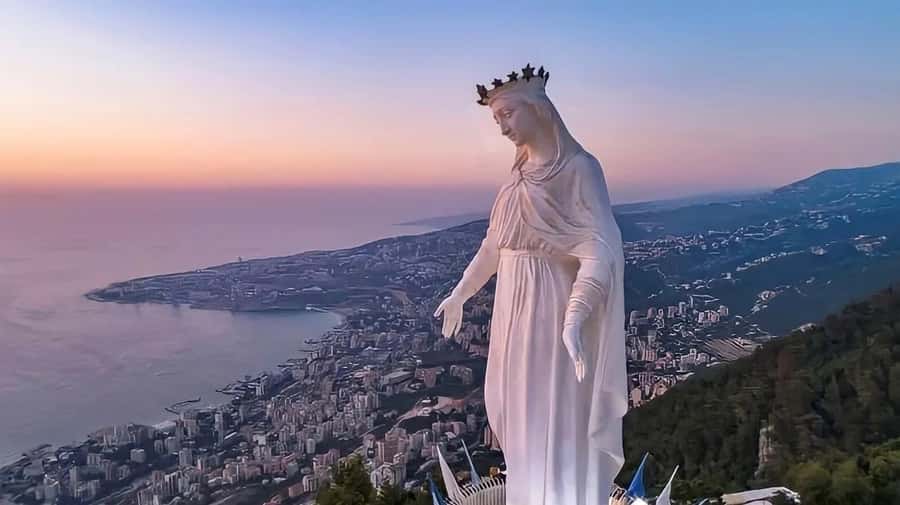
- Harissa works best late in the day: the cable car and the hilltop statue provide wide views over Jounieh Bay, especially near sunset.
- Your guide matters here: Joseph, also called Joe, is the main name associated with this experience and is repeatedly praised for patience, local knowledge, calm driving, and flexibility.
- The $200 price needs checking for your party: the stated rate is for a group of up to one person, while the SUV can carry one to five people, so confirm the exact group price before booking.
What this private Lebanon day tour is really trying to do
This is not just a Jeita Grotto excursion. It is a north-of-Beirut sampler that brings together nature, ancient sites, Christian pilgrimage, coastal towns, and high viewpoints.
The standard idea is the Iconic Trio: Jeita Grotto, Harissa, and Byblos. The longer version adds Annaya and Batroun-area sights. Since the vehicle and guide are private, you can put more weight on archaeology, religion, food, seaside stops, or photography.
That flexibility is the main reason to choose it over a fixed group trip. You are not locked into every stop, and the guide can help shape the day around your interests. The tradeoff is that the route needs active discussion. If you agree to every possible addition, the day can become a rapid collection of photo stops.
Pickup is offered from Beirut, Dbaye, Jounieh, or Beit Meri, with drop-off in Jounieh, Beirut, Beit Meri, or Dbaye. The usual start is between 8 and 9 in the morning. Expect a black Jetour X70 Plus with the Discover Lebanon Tours logo on the dashboard. The driver’s name, photo, plate number, and exact pickup time are sent by WhatsApp the evening before.
More Jeita Grotto and Harissa runs:
- Guided Small-Group Tour to Jeita, Harissa, Byblos with Lunch
★ 5.0 · 361 reviews - Jeita Grotto,Harissa&Byblos Full-Day PRIVATE-CAR Trip from Beirut
★ 5.0 · 222 reviews - Jeita Grotto – Harissa – Byblos Trip
★ 5.0 · 169 reviews
Nahr el-Kalb gives the morning a useful historical start
The first sightseeing stop is the Stelae of the Nahr el-Kalb, or Dog River, about 15 minutes of photo time. Ancient rulers and later powers left inscriptions here, making the river gorge a compact record of Lebanon’s long strategic importance.
This is a short visit, not a full archaeological tour. I would treat it as a good introduction to the country’s layered past rather than a destination that needs half a day.
The route then continues toward Jeita. The drive is short, and the early start is useful because the day becomes more crowded with stops later on.
Jeita Grotto is the day’s natural high point
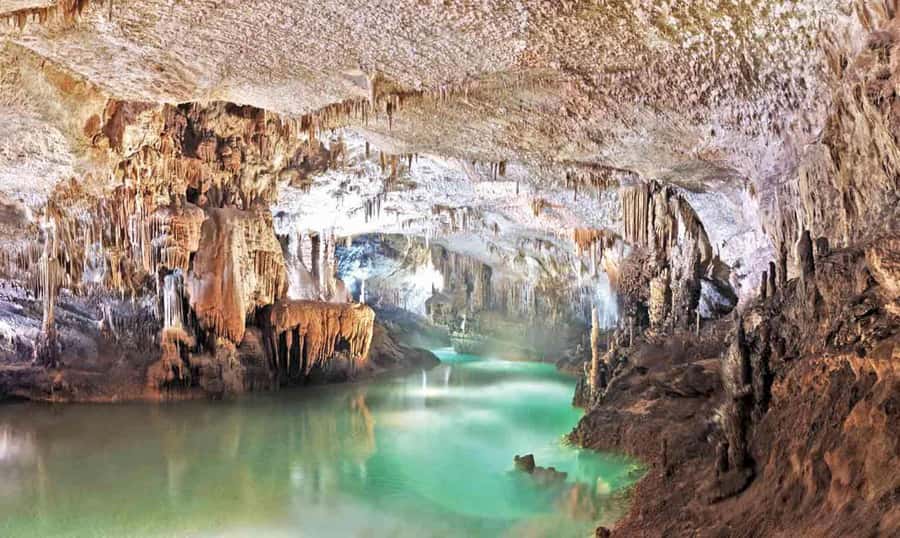
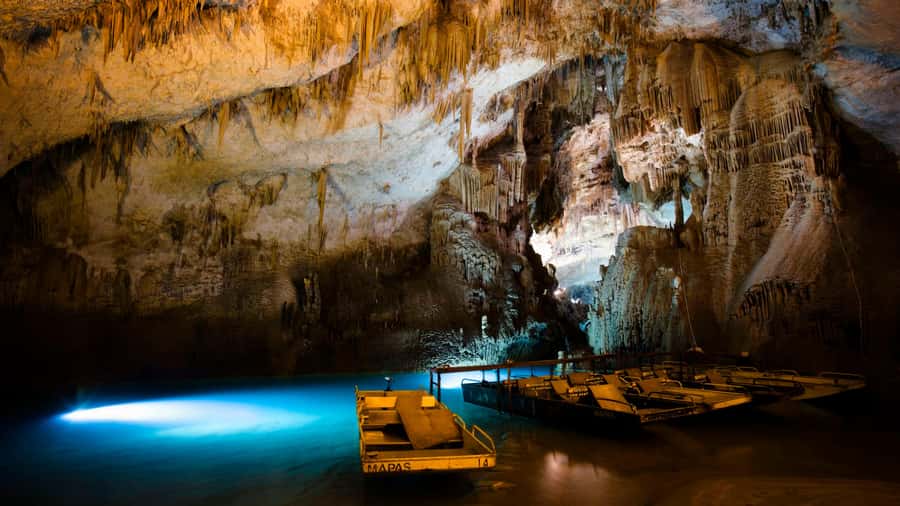
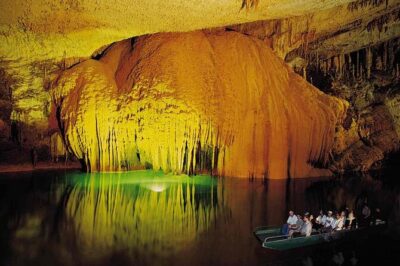
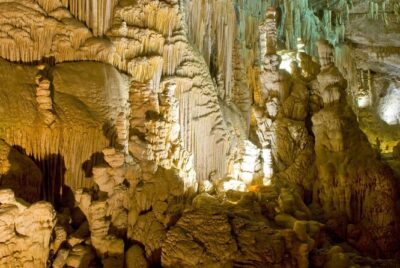
Allow about 70 minutes at Jeita Grotto. The site has upper and lower limestone caves, with stalactites, stalagmites, sculpted rock forms, and underground water that gives the lower section its special character.
The upper caves are viewed on foot. The lower caves are normally associated with a boat ride on the underground river, though the exact operation can depend on site conditions. Entrance tickets are not included, so budget for them separately.
I like the contrast between the two sections. The upper caverns feel like a grand underground gallery, while the lower part is quieter and more intimate. This is also the least flexible stop because it operates as a formal attraction with its own access system and opening conditions.
Wear shoes with a good grip. The ground can be uneven, and the visit is not suitable for wheelchair users. Keep your camera ready for the large formations, but follow the site’s photography rules.
Jeita is close enough to Beirut to visit on its own, but pairing it with Byblos and Harissa gives you a much better sense of the coast and mountains around the capital.
Annaya and Saint Charbel add a quieter mountain chapter
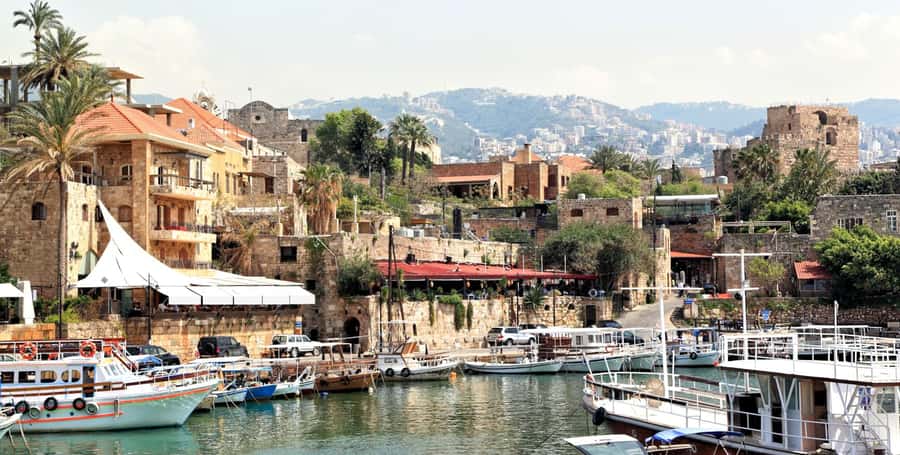
The detailed route includes the Monastery of Saint Maroun and the Hermitage of Saint Charbel, each with roughly 20 minutes. These are in Annaya, in the mountains above the coast, and they change the mood of the day.
The monastery and hermitage are important pilgrimage places connected with Saint Charbel, one of Lebanon’s most revered religious figures. You can expect a more peaceful setting, mountain views along the drive, and a need for modest clothing.
The time here is enough for a short visit and orientation, but not for a slow spiritual retreat. If religious sites are your main reason for booking, tell the guide early and consider giving up some of the Batroun stops. If you are mainly interested in caves and ancient cities, Saint Charbel may be the first section to shorten.
The driver-guide can also explain how these places fit into Lebanese religious life. That personal context is more useful than racing through a monastery with only a few minutes to spare.
More days out in Byblos:
- Byblos, Jeita Grotto & Harissa Day Trip -With Lunch (4G on Board)
★ 4.5 · 145 reviews - Semi-Private Tour to Jeita Grotto, Harissa & Byblos with Lunch
★ 5.0 · 52 reviews - Small Group Tour to Jeita Grotto, Harisa & Byblos with Hotel pickup
★ 5.0 · 49 reviews - Private Guided Tour to Jeita Grotto through Harissa and Byblos
★ 5.0 · 48 reviews
Byblos rewards a proper walk, not just a quick photograph
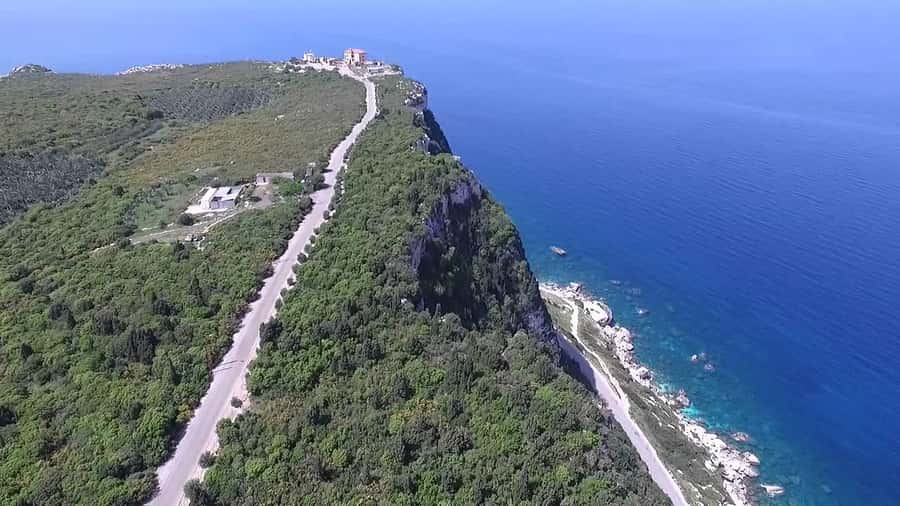
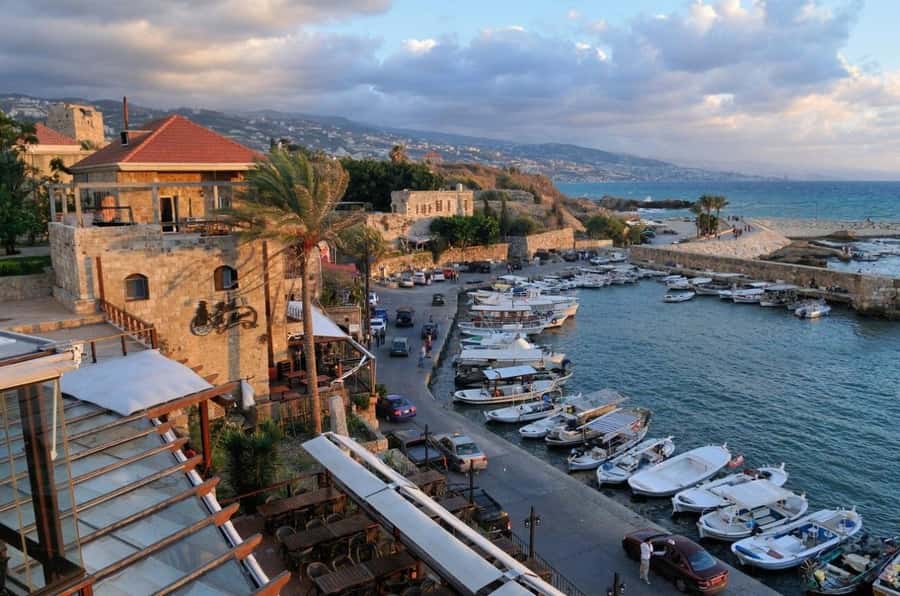
Byblos receives about two and a half hours, making it the strongest part of the historical portion of the day. You have time for lunch, free exploration, shopping, and a walking route through the old town.
Start near the fishing port and harbor. The waterfront is still part of the town’s daily life, not just a historic display. From there, the route moves toward the Byblos Citadel and the ancient site.
The Crusader fortress area gives you a clear sense of the town’s defensive past. The nearby Roman theater and royal palace area add earlier layers, while the old souk brings you back into the present with small shops and traditional streets.
The walk also includes:
- Saint John Marc Church
- Sultan Abdul Majid Mosque
- The old souk
- Ancient Byblos
- The Roman theater
- The harbor and fishing port
- The Armenian Genocide Orphans’ Aram Bezikian Museum area
- Memory of Time fossil museum
Some sights are photo stops or viewed from outside, so do not assume every building includes an interior visit. The Memory of Time museum does include an entry and short guided presentation. Fossils found in Lebanon give the town’s ancient setting an unexpected natural-history angle.
Lunch is scheduled at a local restaurant for about 50 minutes. Food is not included, but a restaurant reservation can be arranged. I would ask the guide for a recommendation and confirm the price before ordering, particularly if you want seafood or a longer meal.
Byblos is where you should protect your time. The souk, port, fortress area, and Roman remains are close enough to explore on foot, but uneven archaeological ground and old paving call for comfortable shoes. The town is easy to enjoy at a slower pace, and it is the stop most likely to suffer if too many optional additions are added.
The Batroun extension is attractive but ambitious
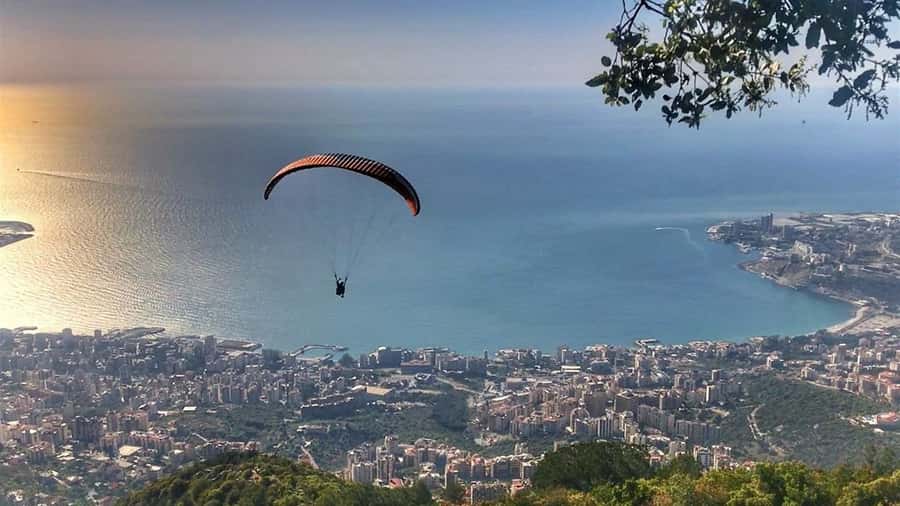
After Byblos, the extended coastal route can continue to Mseilha Fort, the Nabu Museum, Our Lady of Noorieh Monastery, and Batroun. These additions are not part of the simplest Jeita, Byblos, and Harissa day, so confirm your chosen route before departure.
Mseilha Fort is a brief 15-minute stop. It works well as a quick look and photograph, but the time is limited. The Nabu Museum receives about 30 minutes and offers modern art. Its opening status can vary, so ask the operator to confirm it if the museum is important to you.
Our Lady of Noorieh Monastery is perched above the cliffs and offers sea views. The stop is listed at about 20 minutes, enough to appreciate the setting and take photographs, but not enough for an unhurried monastery visit.
Batroun itself gets about 75 minutes in the extended route. The old souk and seaside streets are the main appeal, with stops at Saint Stephen Cathedral, the Port of Batroun, Saint George Orthodox Church, the Church of Our Lady of the Sea, the Phoenician wall, and the Lebanese Diaspora Village.
You may also pass the statue of a sponge diver and stop at Hilmi’s House of Lemonade. These smaller details give Batroun a more local, lived-in feel than a simple viewpoint stop.
The problem is time. Mseilha, Nabu, Noorieh, and Batroun create a long chain after Jeita and Byblos. I would choose this route if you want a broad coastal introduction. I would not choose every addition if you prefer museums, ruins, and cafés at an easy pace.
A winery visit in Batroun can be added on request. So can a beach stop or coastal café. These extras sound appealing, but each one takes time from the core route. Ask the guide to build a realistic schedule rather than trying to collect every attraction.
Harissa is best saved for the final view
The final major stop is Our Lady of Lebanon in Harissa, reached by car or by the optional Teleferique du Liban cable car. The route allows about 30 minutes for the cable car area and one hour at the shrine.
The statue overlooks Jounieh Bay and gives you one of the broadest views of the day. Near sunset, the bay and town lights begin to glow, making this a strong finish. Several visitors specifically praise the evening timing, and the view is a good reason not to rush Harissa.
The cable car ticket is not included. You can ask about taking the cable car instead of going up entirely by road, but the choice may depend on timing and operating conditions. If you dislike heights, prefer the vehicle route. If you want an extra scenic experience, the cable car adds a memorable element.
The shrine is an active religious site, so wear modest clothing that covers shoulders and knees. Bring a light layer for the hilltop, especially outside the hot season.
Joseph and the private vehicle shape the experience
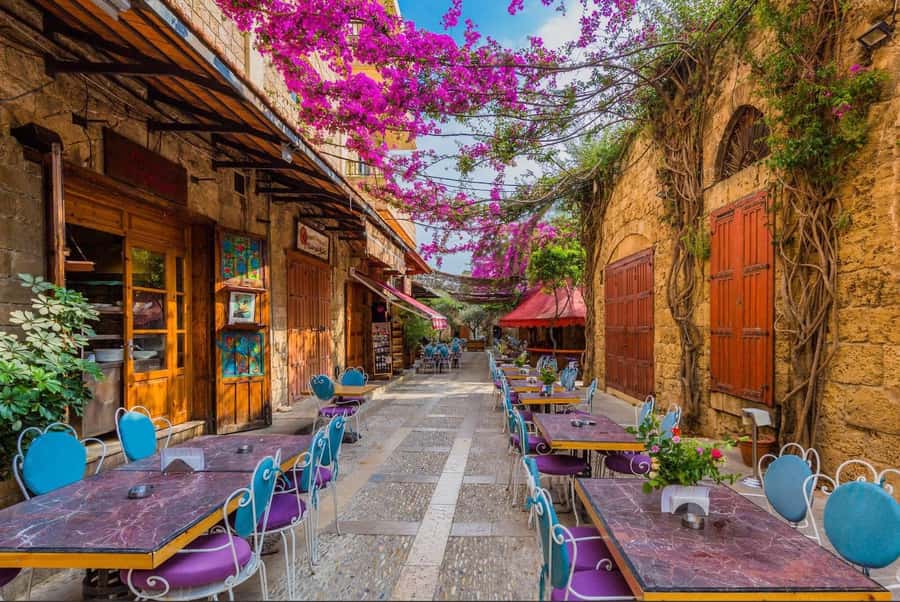
The strongest human element is Joseph, often called Joe. He is described as punctual, friendly, calm, helpful, and clear when explaining Lebanon’s sites. He also helps with practical matters, restaurant choices, and changes to the plan.
That matters because this itinerary has many moving parts. A driver who only transports you from place to place would leave you with a long day and little context. A guide who can explain what you are seeing and adjust the pace makes the route far more useful.
The black Jetour X70 Plus SUV is air-conditioned and intended for one to five people. Wi-Fi is included, along with bottled water, a local snack, and Lebanese coffee. Fuel, parking, tolls, and taxes are covered, which keeps small costs from accumulating throughout the day.
There is no smoking in the vehicle. Food and drinks are allowed with care. Child seats are available if requested at least 24 hours ahead.
The SUV is a good fit for a couple, family, or small private group. For five adults, comfort will depend on luggage and how much time you spend inside the vehicle. Since the extended route is long, ask about seating and storage if you are carrying bags.
Is $200 good value?
The stated price is $200 per group up to one person, with the vehicle described as serving one to five people. Because that wording can affect the final cost for a couple or family, confirm the exact rate for your group before payment.
At the stated solo rate, the value comes from combining private transport, fuel, parking, Wi-Fi, pickup and drop-off, and a full day with a guide. Booking separate taxis for Jeita, Byblos, Annaya, Batroun, and Harissa would be less straightforward and would leave you without one person managing the route.
Still, the price does not include entrance tickets, the Harissa cable car, lunch, winery tastings, or personal purchases. Those costs are easy to overlook. Ask for the expected ticket total and decide which optional stops are worth paying for.
Free cancellation is available up to 24 hours ahead, and you can reserve now and pay later. The tour runs in rain or shine, so your clothing and footwear matter more than the season alone.
Who should book this tour?
I would choose it for a first visit to Lebanon when you want to see several major places without changing hotels or arranging separate transport. It also suits couples, families, and small groups that value privacy and want to ask questions along the way.
It is especially good for someone who wants a mix of caves, archaeology, churches, mountain views, and coastal towns. The flexible plan also helps repeat visitors focus on Batroun, Saint Charbel, wineries, or a slower lunch.
I would hesitate if you dislike long days, uneven ground, or frequent stops. Wheelchair users should not book it, and anyone with limited mobility should discuss the archaeological paths, cave access, monastery grounds, and old streets in advance.
The best strategy is to choose your priorities before pickup. For a balanced first day, I would select Jeita, Byblos, and Harissa. Add Saint Charbel if pilgrimage matters to you. Choose Batroun instead if you want more sea views, old streets, art, and cafés.
FAQ
How long does the tour last?
The tour lasts about nine to ten hours, usually beginning between 8 and 9 in the morning.
Where can pickup and drop-off take place?
Pickup is available from Beirut, Dbaye, Jounieh, and Beit Meri. Drop-off is available in Jounieh, Beirut, Beit Meri, and Dbaye.
What vehicle is used?
The tour uses a black, air-conditioned Jetour X70 Plus SUV. It is intended for one to five people and includes Wi-Fi.
Is lunch included?
Lunch is not included. A local restaurant reservation can be arranged upon request.
Are entrance tickets included?
No. Entrance tickets for places such as Jeita Grotto, Byblos Castle, and the Nabu Museum are paid separately. The Harissa cable car also costs extra.
Can I customize the itinerary?
Yes. You can add or skip destinations and request a winery visit, beach or coastal café stop, local lunch arrangement, or a focus on spiritual, historical, or coastal sights.
Which languages are available?
The tour is available in Arabic, English, and French. The driver-guide is described as English and French speaking.
Is the tour suitable for wheelchair users?
No. The tour is not suitable for wheelchair users, and uneven terrain at archaeological sites may also be difficult for people with mobility issues.
Should you book it?
Book this tour if you want a private, flexible introduction to Lebanon’s northern coast and mountains, and you are willing to manage a full day. The combination of Jeita Grotto, Byblos, and Harissa is strong on its own, while Joseph’s practical guidance can make the history and logistics easier to follow.
My advice is to avoid treating the optional stops as compulsory. Keep Byblos generous, choose either Saint Charbel or the longer Batroun route unless you have exceptional stamina, and confirm the group price and entrance costs before booking. Done that way, this is a useful and unusually adaptable day out from Beirut.
Just added around Byblos
- Small-Group Tour with Lunch to Jeita Grotto, Byblos and Harissa★ 4.5 · 3 reviews
- Private Full-Day Tour to Byblos and Tripoli from Beirut★ 5.0 · 3 reviews
- Beirut to Jeita Grotto and Byblos: Daily Tours with Lunch★ 5.0 · 3 reviews
- Guided Semi-Private Tour to Jeita, Harissa & Byblos★ 5.0 · 4 reviews
- Byblos and Tripoli Tour★ 5.0 · 4 reviews
- Exclusive Journey to Jeita Grotto, Harissa, and Byblos★ 4.5 · 5 reviews
- Guided Full-Day Private Tour to Jeita Grotto, Byblos and Baalbek★ 5.0 · 5 reviews
- Jeita Grotto,Harissa&Byblos Full-Day PRIVATE-CAR Trip from Beirut★ 5.0 · 222 reviews
Jeita Grotto & Harissa Tours, compared.
Guided Small-Group Tour to Jeita, Harissa, Byblos with Lunch
Read our review →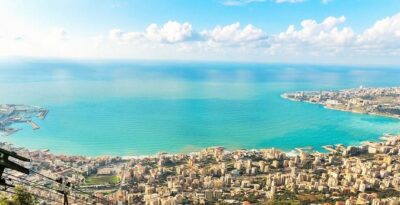
Jeita Grotto,Harissa&Byblos Full-Day PRIVATE-CAR Trip from Beirut
Read our review →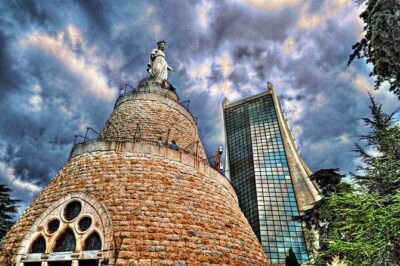
Byblos, Jeita Grotto & Harissa Day Trip -With Lunch (4G on Board)
Read our review →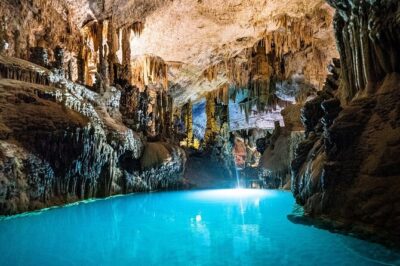
Semi-Private Tour to Jeita Grotto, Harissa & Byblos with Lunch
Read our review →
Small Group Tour to Jeita Grotto, Harisa & Byblos with Hotel pickup
Read our review →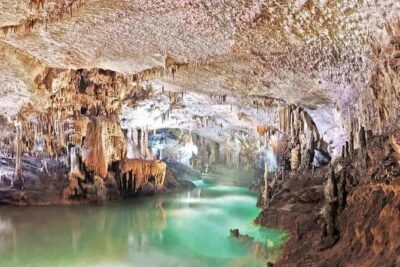
Private Guided Tour to Jeita Grotto through Harissa and Byblos
Read our review →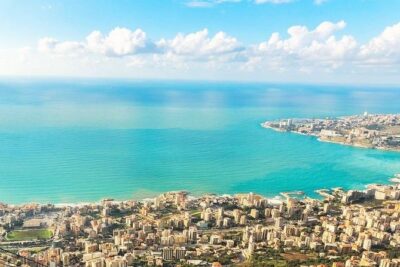
New Guided Semi-Private Tour to Jeita Grotto, Harissa & Byblos
Read our review →Browse the lists this tour appears in