
Reviewed · JEITA GROTTO & HARISSA TOURS
Guided Small-Group Tour to Jeita, Harissa, Byblos with Lunch
Jeita Grotto, Harissa, and Byblos give you three very different views of Lebanon in one well-packed day: a cave shaped by water, a mountain shrine above Jounieh Bay, and an ancient port city with Phoenician and Crusader remains. It is an efficient way to get beyond Beirut without wrestling with Lebanon’s famously difficult traffic.
I like the door-to-door pickup and the small-group limit of 15. I also like the mix of experiences: the boat inside Jeita feels unusual, while Byblos gives the day its best sense of place. The main drawback is time. With eight hours covering several stops, Byblos can feel rushed, and the Teleferique ride costs extra.
Key points to know before booking
- Jeita has two cave levels: You walk through the upper gallery and take a boat on the underground lake in the lower gallery.
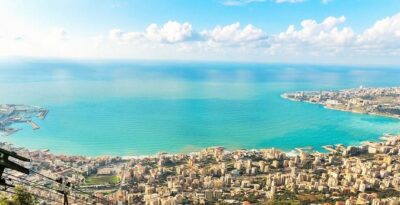
- Harissa offers Lebanon’s big view: The white statue of Our Lady of Lebanon looks across Jounieh Bay toward Beirut.
- The Teleferique ticket is extra: The gondola ride is a highlight, but it is not part of the tour price.
- Byblos combines several sights: You get the archaeological site, Crusader castle, old souk, and ancient port in one visit.
- Lunch is included: The meal is served in Byblos, with Malena’s specifically praised for generous portions and good service.
- The guides shape the day: Hassan, Albert, Pierre, and Hassane have been singled out for humor, clear explanations, safe driving, and helpful advice.
Three Lebanese landmarks in one long day
At $60 per person, this is a strong value if you want a broad first look at Lebanon from Beirut. The price includes hotel pickup and drop-off, an air-conditioned vehicle, a tour leader, guide service, lunch, and entry to the historical sites listed as included.
That bundle matters in Lebanon. You are not simply paying for admission tickets. You are also paying to avoid figuring out the route between Beirut, Jeita, Harissa, and Byblos, where traffic and winding roads can eat up a lot of your day.
The outing begins around 8:30 a.m. and lasts about eight hours. It is a full schedule, not a slow-paced private tour. You will see a great deal, but you should expect short stops at Harissa and the port, and only about two hours for Byblos before its castle, souk, port, and lunch are taken into account.
The group can include up to 15 people. That is small enough to feel more personal than a large coach tour, though it is not the same as having a private guide. Several guides, including Hassan, Hassane, Albert, and Pierre, have been praised for keeping the day moving while explaining local life, history, and scenery in clear English.
More Jeita Grotto and Harissa runs:
- Jeita Grotto,Harissa&Byblos Full-Day PRIVATE-CAR Trip from Beirut
★ 5.0 · 222 reviews - Jeita Grotto – Harissa – Byblos Trip
★ 5.0 · 169 reviews - Byblos, Jeita Grotto & Harissa Day Trip -With Lunch (4G on Board)
★ 4.5 · 145 reviews
Inside Jeita Grotto, Lebanon’s underground showpiece
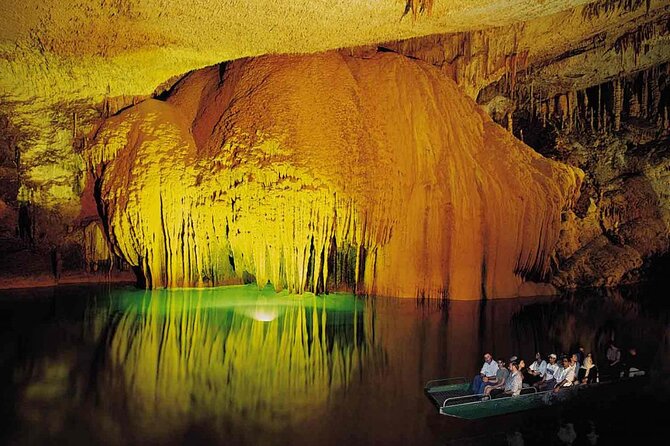
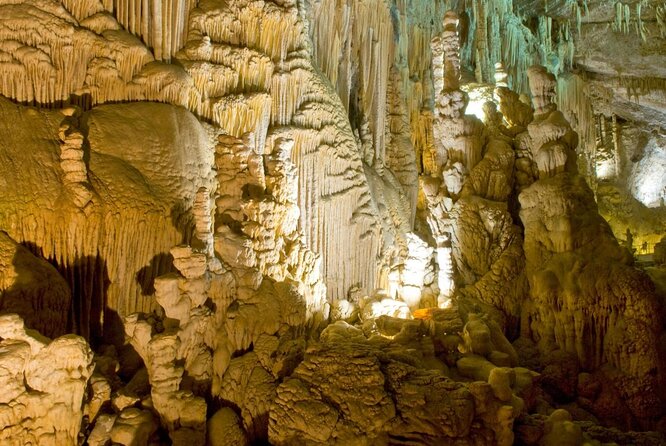
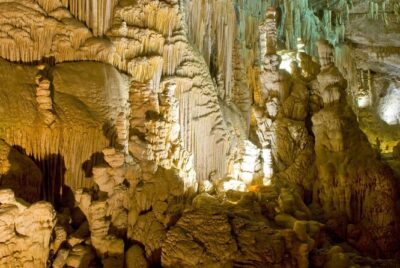
Jeita Grotto is the most unusual stop. This is a connected system of limestone caves formed over millions of years, with an upper gallery and a lower gallery separated by about 60 meters.
The upper cave is about 2,130 meters long and is filled with stalactites, stalagmites, columns, curtains, draperies, ponds, and other mineral shapes. You explore this section on foot, so wear shoes that are comfortable for walking and do not mind a little damp cave air.
The lower gallery stretches about 6,200 meters and contains an underground river and lake. The tour includes a boat ride inside the cave, a detail that gives Jeita more variety than a standard cave walk. You move from a dark, sculpted passage to a smooth ride on the water, then back into the cave world.
The visit lasts about 90 minutes, which is enough to see the main features without making the cave the entire day. Jeita’s scale can be hard to grasp from a short visit, but the changing formations make the time feel worthwhile.
One practical point matters: photography is not allowed inside the grotto. You should be ready to put your phone away once you enter. That can disappoint anyone hoping to document the formations, but it also keeps the visit focused on the cave itself rather than on taking pictures.
The admission charge for Jeita is included. The boat is part of the planned experience, though operating details can depend on conditions at the site.
Harissa and the view across Jounieh Bay
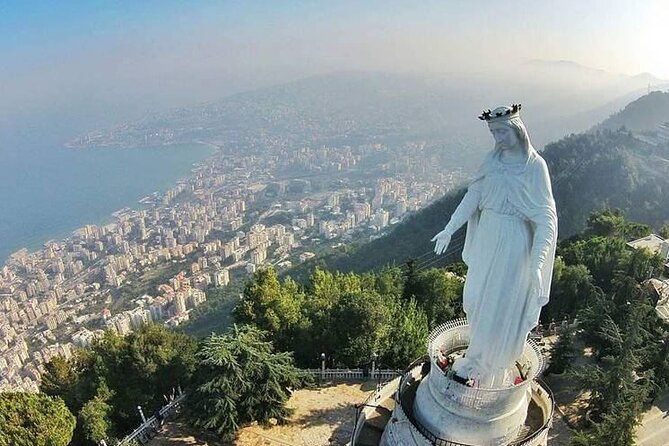
From Jeita, the tour continues to Harissa, one of Lebanon’s major Christian pilgrimage sites. The shrine is built around the large statue of Our Lady of Lebanon, a 15-ton bronze figure with outstretched arms.
The statue is 8.5 meters high and looks toward Beirut over Jounieh Bay. From the site, you get the broadest view of the day, with the bay below and the city and coastline stretching into the distance.
The scheduled stop at the shrine is about 30 minutes, followed by about 15 minutes around the churches of Harissa. That is enough to take in the statue, the chapel inside its base, and the huge cathedral of concrete and glass nearby. The area also includes churches from several Christian traditions, including the Byzantine-style Melkite Greek Catholic Basilica of St. Paul.
This part of the tour works best if you treat it as a viewpoint and a short cultural visit, not as a long religious tour. You will have time for the main sight and photographs outside, but the schedule does not allow for a detailed study of every church.
Riding the Teleferique above Jounieh
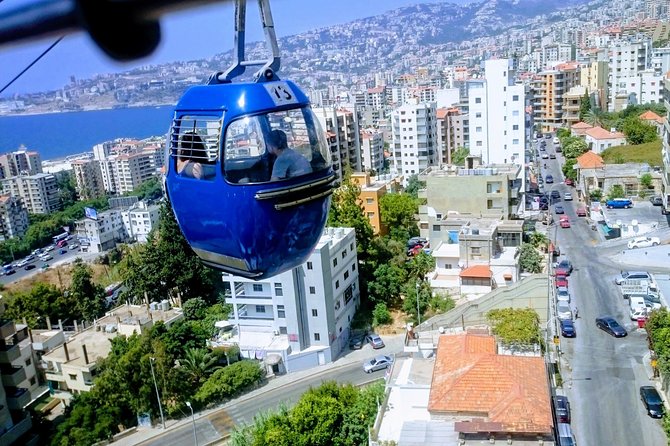
The Teleferique is one of Lebanon’s oldest and most visited attractions. This gondola carries you from Jounieh up the steep, pine-covered mountain to Harissa, reaching an altitude of about 650 meters.
The ride takes roughly 20 minutes in the planned schedule. That short span gives you a striking change of scale. Streets and buildings fall away below, the bay opens out, and the shrine appears above the city.
The cable car is one of the day’s best moments for anyone who likes views more than museum interiors. A review described seeing handgliders floating near the cable car, though that is not something you should count on every time.
There is one clear cost issue: the Teleferique admission is not included in the $60 price. Bring extra money for this ride, and check the operating conditions on the day. Since it is a public cable-car system, the tour schedule may need to work around its operation.
The route description places the Teleferique stop after the Harissa shrine and churches. In practice, the order or exact timing can change to suit traffic and local conditions, but the experience is designed to include both the shrine and the gondola.
More days out in Byblos:
- Semi-Private Tour to Jeita Grotto, Harissa & Byblos with Lunch
★ 5.0 · 52 reviews - Small Group Tour to Jeita Grotto, Harisa & Byblos with Hotel pickup
★ 5.0 · 49 reviews - Private Guided Tour to Jeita Grotto through Harissa and Byblos
★ 5.0 · 48 reviews - New Guided Semi-Private Tour to Jeita Grotto, Harissa & Byblos
★ 5.0 · 47 reviews
Byblos, where the day gains its historical weight
Byblos is the day’s most layered stop. The city was inhabited from Neolithic times and became one of the important Phoenician centers of the Mediterranean. It is also closely tied to the spread of the Phoenician alphabet.
You get about two hours in Byblos, with separate time set aside for the castle, old souk, and port. That sounds generous until you add lunch and walking between the sights. I would treat this as a well-chosen introduction rather than a complete exploration.
The archaeological area brings together remains from several periods. You can see the setting of the Temple of Baalat Gebal and the Temple of the Obelisks, along with older domestic remains. The location by the sea helps you understand why Byblos became an important trading center.
The city’s connection to timber shipping is especially interesting. Around 3000 BC, Byblos Port was a major timber shipping center in the eastern Mediterranean. Lebanese tradition calls it the oldest port in the world, though the useful point for you is that this small harbor has been tied to trade for thousands of years.
Climbing Byblos Castle for the best ruins view
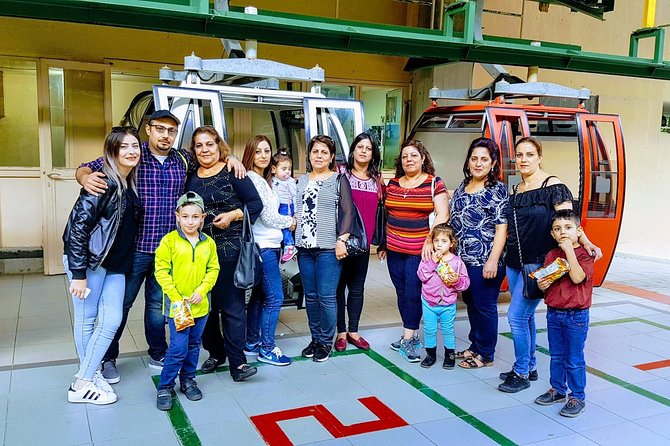
Byblos Castle is a restored 12th-century Crusader fortress inside the archaeological site. A dry moat about 10 meters wide surrounds it, and the square keep gives you a good view over the ruins and toward the sea.
You can see Bronze Age dwellings below the castle walls and visit a small museum inside. Information panels outline the city’s long past, which helps connect the scattered stones outside with the people and periods that shaped Byblos.
The castle is included in the tour’s admissions. I consider that important because it gives the Byblos visit a clear centerpiece. Without the castle, the archaeological grounds could feel like a loose collection of ruins. From the keep, the layout becomes easier to read.
The castle is also the stop most likely to delight anyone who likes old fortresses. One guest described being especially excited there, and I understand why. It is a hands-on place: climb, look out, and imagine the port below rather than simply reading a sign.
Allow for uneven surfaces and stairs. The tour information says most people can participate, but the itinerary does involve walking through an archaeological site and climbing in a medieval fortress. If you need extra time at the castle, the overall schedule may not allow it.
Lunch in Byblos, with time for the old souk
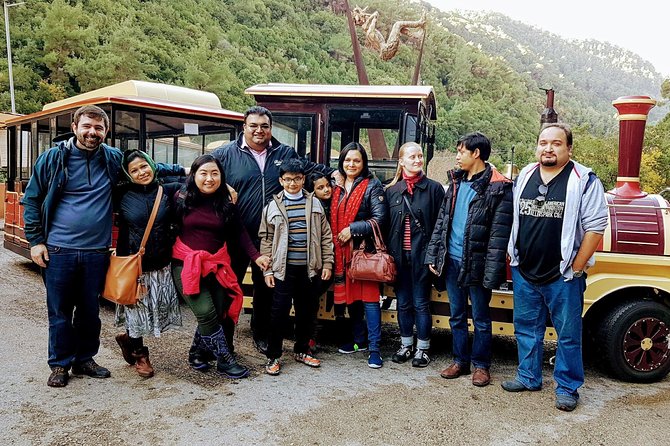
Lunch is included and is intended to give you a taste of real Lebanese food rather than leaving you to find a restaurant during a tight schedule. Several accounts describe the meal as a major strength, with generous portions and good service at Malena’s.
The exact dishes are not specified, so you should not book this expecting a particular menu. The useful advantage is convenience: you can eat without losing sightseeing time, and the meal fits naturally into the Byblos visit.
A lunch near the port or river adds to the setting. One account specifically praised the view of Byblos Port, while another described more food than the group could finish. That suggests a substantial meal, not a quick sandwich between stops.
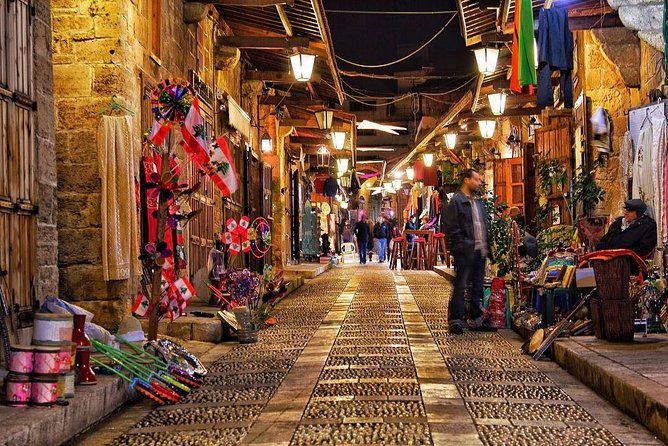
After lunch, the old souk gets about 15 minutes. This is enough for a short stroll along cobbled streets, a look at the architecture, or a quick search for souvenirs and antiques. It is not enough for a relaxed shopping session.
If shopping matters to you, keep your expectations modest. The souk is a pleasant final walk through old Byblos, but the castle and archaeological remains deserve more of your attention on a first visit.
The port and the price of a packed schedule
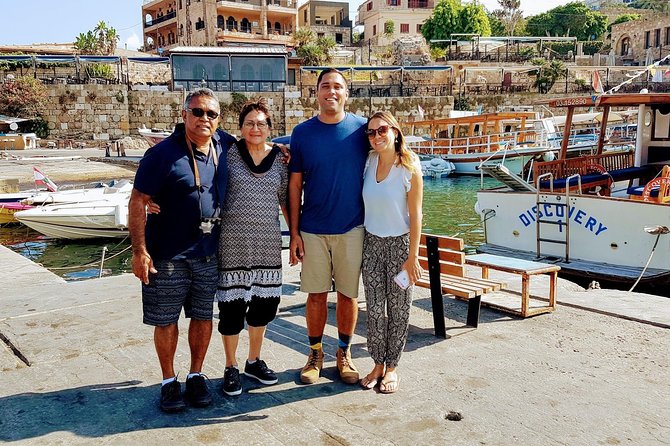
The Byblos Port stop is also about 15 minutes. You can look across the ancient harbor, connect it with the city’s seafaring past, and take a few outdoor photographs before the group moves on.
This brief stop shows the tradeoff built into the tour. You get all the headline sights, but none receives the slow pace of a dedicated Byblos day. One person found the time in Byblos too short and finished earlier than expected, so timing may feel less predictable than the advertised eight hours.
That does not make the tour poor value. It means you should choose it for range and ease, not for long, unhurried visits. If you have only a short stay in Beirut, the route covers three of Lebanon’s best-known day-trip sights with very little planning on your part.
The included transport also protects you from wasting time on connections. Your vehicle is air-conditioned, and pickup and drop-off are provided at your hotel. The route’s value rises if you are uncomfortable driving in heavy traffic or trying to arrange several separate rides.
What the guides add to the day
The guide is central here because the itinerary moves quickly. A good leader needs to explain enough history to make Jeita, Harissa, and Byblos meaningful without turning every stop into a lecture.
Hassan and Hassane have been praised for being polite, funny, informative, and reassuring on the road. Albert has been described as especially strong on Lebanese life, history, and scenery, as well as helpful with suggestions for additional days in Lebanon. Pierre has been praised for humor and for making the experience memorable.
You should not assume a particular guide will lead your departure. The names above indicate the style of service associated with this operator, but guide assignments can change.
The strongest pattern is personal attention. Small groups make it easier to ask questions, and guides have been praised for answering even off-topic questions. That is useful in Lebanon, where a short explanation about a road, town, church, or local custom can add as much as a formal site description.
Who should book this Beirut day trip?
I would book this tour if you are staying in Beirut and want an efficient first day outside the capital. It suits you especially well if you value transport, a guide, and a planned lunch more than free time at each stop.
It is also a good fit for solo visitors and couples who want company without joining a huge coach group. A maximum of 15 people leaves room for a more relaxed feel, and a very small departure can feel almost private.
Families and mixed-interest groups may also like the route. Jeita gives you a dramatic natural sight, the Teleferique provides a simple thrill, Harissa offers a major religious viewpoint, and Byblos combines ruins, a castle, shopping, and food.
I would hesitate if your main aim is detailed archaeology, extended shopping, or a slow religious visit. Byblos receives several short visits within one block of time, and the full day can feel compressed.
The tour costs $60 per person, and free cancellation is available if you cancel at least 24 hours before the start time. Changes or cancellations inside that window are not accepted for a refund.
Should you book it?
Book this tour if you want the easiest way to connect Jeita, Harissa, and Byblos from Beirut in a single day. The included lunch, transport, historical admissions, and guide service make the price sensible, especially when you factor in the traffic and distances.
Go in knowing that the schedule favors coverage over lingering. Bring comfortable shoes, budget extra for the Teleferique, and do not plan on taking photographs inside Jeita Grotto.
If you can spare only one day beyond Beirut, this is a practical choice. If you have several days and care most about Byblos, consider giving that city a slower visit on its own.
FAQ
How long is the tour?
The tour lasts approximately eight hours.
What time does the tour start?
The scheduled start time is 8:30 a.m.
Is hotel pickup and drop-off included?
Yes. Round-trip hotel pickup and drop-off are included.
How many people can join the tour?
The tour has a maximum group size of 15 people.
Is lunch included?
Yes. An authentic Lebanese lunch in Byblos is included in the tour price.
Is the Teleferique cable-car ticket included?
No. Admission to the Teleferique is not included and must be paid separately.
Are Jeita Grotto and Byblos Castle admissions included?
Yes. Entry to Jeita Grotto and Byblos Castle is included, along with admission to the listed historical sites.
Can I take photographs inside Jeita Grotto?
Photography is not allowed inside the grotto.
What is the cancellation policy?
You can cancel up to 24 hours before the start time for a full refund. Cancellations or changes made less than 24 hours before the start time are not accepted for a refund.
More Lunch Experiences in Beirut
- Guided Small-Group Tour to Baalbek, Anjar and Ksara with Lunch
★ 5.0 · 511 reviews - Anjar, Baalbek & Ksara Day Trip – With Lunch (4G on Board)
★ 4.5 · 181 reviews - Sidon, Tyre & Maghdouche Day Trip – With Lunch (4G on Board)
★ 4.5 · 44 reviews - Guided Small-Group Tour to Sidon, Tyre & Maghdouche with Lunch
★ 5.0 · 41 reviews
Just added around Beirut
- Beirut to Sidon, Tyre and Maghdouché: Daily Tours with Lunch★ 5.0 · 3 reviews
- Exploring Beirut’s Past: A Private Guided Historical Tour★ 5.0 · 3 reviews
- Chouf Charm: Private Journey Through Lebanon’s Historic Heartland★ 4.5 · 3 reviews
- Hike Chouwen★ 5.0 · 3 reviews
- Private Trip to Beiteddine, Deir el Qamar & Maaser el Chouf Cedars★ 4.5 · 3 reviews
- Small-Group Tour with Lunch to Baalbek, Anjar and Ksara★ 5.0 · 3 reviews
- Lebanese wineries guided tour with tastings & lunch★ 4.9 · 3 reviews
- Baalbek, Anjar & Wine: A Journey Through Lebanon’s Heritage★ 5.0 · 3 reviews
Jeita Grotto & Harissa Tours, compared.
Jeita Grotto,Harissa&Byblos Full-Day PRIVATE-CAR Trip from Beirut
Read our review →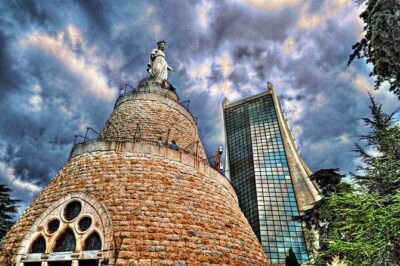
Byblos, Jeita Grotto & Harissa Day Trip -With Lunch (4G on Board)
Read our review →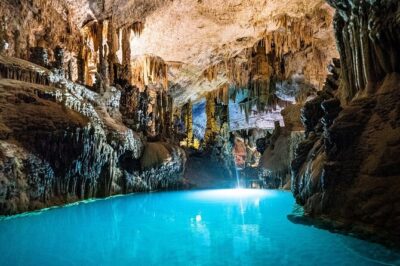
Semi-Private Tour to Jeita Grotto, Harissa & Byblos with Lunch
Read our review →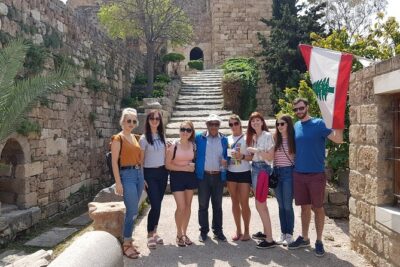
Small Group Tour to Jeita Grotto, Harisa & Byblos with Hotel pickup
Read our review →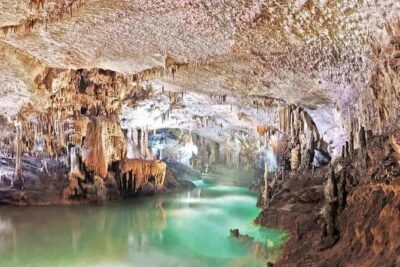
Private Guided Tour to Jeita Grotto through Harissa and Byblos
Read our review →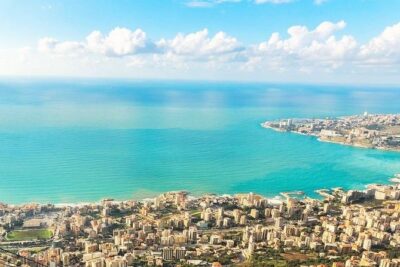
New Guided Semi-Private Tour to Jeita Grotto, Harissa & Byblos
Read our review →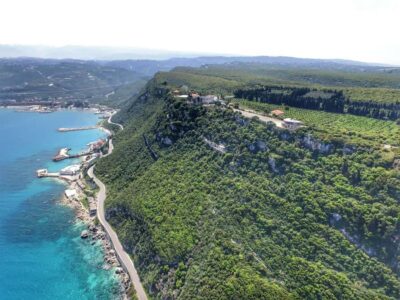
From Beirut: Jeita Grotto, Harissa & Byblos Private Day Tour
Read our review →Browse the lists this tour appears in