
Reviewed · WINE TOURS
Lebanon Wine Tasting Tour From Beirut
Lebanon’s Bekaa Valley gives you a full day of wine, old stories, and changing scenery without the fuss of arranging your own transport. This small-group outing visits three wineries, including Chateau Ksara, Lebanon’s oldest winery, and leaves Beirut at 9:00 am in a climate-controlled vehicle.
I like the sensible route and the mix of producers. I also like the chance to taste red, white, and rosé wines while learning about Arak, Lebanon’s anise-flavored national drink. Guide Robin has earned particular praise for adding useful context about modern Lebanon as well as the wine.
The main thing to consider is that this may feel more like a winery transfer with tastings than a formal wine-education course. The experience is advertised for a small group, but the maximum listed capacity is 15, and lunch in Zahle is a stop rather than a clearly included meal.
Key points to know before booking
- Three very different winery visits: Chateau Heritage, Chateau Ksara, and Chateau Rayak each offer a different angle on Lebanese wine.
- Beirut pickup at 9:00 am: Round-trip transport keeps you from dealing with long-distance driving after tastings.
- Chateau Ksara brings the oldest winery story: The winery dates to 1857 and helped shape Lebanon’s modern wine trade.
- Zahle adds a local break: The one-hour lunch stop gives the day a pause between winery visits.
- Guide quality matters here: Robin is praised for explaining both wine and Lebanese culture with humor and flexibility.
- Check the group-size wording: The highlights refer to groups of up to 10, while the additional information gives a maximum of 15.
Why the Bekaa Valley makes a good wine day from Beirut
If you are staying in Beirut, the Bekaa Valley is far enough away that independent winery-hopping takes planning. You need a driver, a route, and a way to enjoy tastings without worrying about the return journey. This tour solves the basic problem with hotel pickup and drop-off in a climate-controlled vehicle.
The valley also gives the day more substance than a simple tasting-room visit. The tour connects wine to Phoenician trade, Roman-era sites, Christian traditions, and Lebanon’s long relationship with grape growing. Some of the historical claims surrounding ancient Lebanese wine are broad and debated, so I would treat the stories as cultural context rather than a formal archaeology lesson.
You will spend about eight hours on the road and at the wineries. That is a full day, but the schedule has a useful rhythm: one hour at Chateau Heritage, one hour at Chateau Ksara, a one-hour stop in Zahle, then two hours at Chateau Rayak. The final visit gets the most time, which may suit you if you want a slower look at production rather than three quick tastings.
More Beirut wineries worth an afternoon:
- PRIVATE Tour of Baalbek Temples, Umayyad Anjar & Ksara Winery
★ 5.0 · 12 reviews - Anjar, Baalbek & Ksara Winery
★ 5.0 · 11 reviews - PRIVATE Wine Tasting Tour to the Bekaa Valey Fabulous Wineries
★ 5.0 · 7 reviews
Chateau Heritage and Lebanon’s old wine traditions
The first stop is Chateau Heritage in Kab Elias, a town in the Bekaa Valley. Its story begins with the Touma family, who established one of Lebanon’s early wineries and distilleries in 1888. The family produced wine and Arak, a drink closely tied to Lebanese food and social life.
This stop is useful because it introduces the connection between wine and local spirits. You are not only tasting grape varieties. You are also hearing how one family worked with both wine and Arak in a region where these drinks remain part of the country’s identity.
The visit lasts about one hour, with admission included. You can expect wine tastings as part of the day, though the supplied details do not list the exact wines or number of pours at each winery. If you care about specific grape varieties or vintages, ask the guide or winery staff during the visit.
The older stories are part of the appeal. Accounts of Noah, Naboth, Christ, Saint Paul, the Phoenicians, and Roman Baalbek all appear in the broader story of wine in the Middle East. I would enjoy this as a lively introduction, while keeping in mind that a short winery stop cannot sort out every historical theory.
Chateau Ksara, Lebanon’s oldest winery
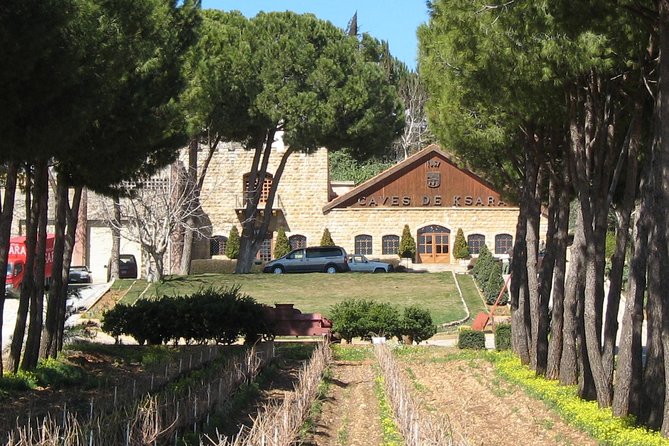
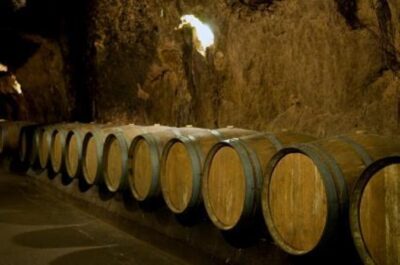
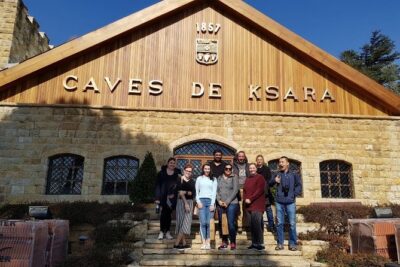
Chateau Ksara is the most historically important stop on the route. Jesuit fathers began working a 25-hectare plot there in 1857, producing what is described as Lebanon’s first non-sweet red wine. Their work helped create the foundations of the country’s modern wine industry.
The name comes from ksar, meaning fortress, linked to the site’s Crusader-era association. That gives the winery a memorable setting and a clear sense of place. You are not simply visiting a brand with a tasting counter. You are visiting a producer tied to the early development of Lebanese wine as a commercial product.
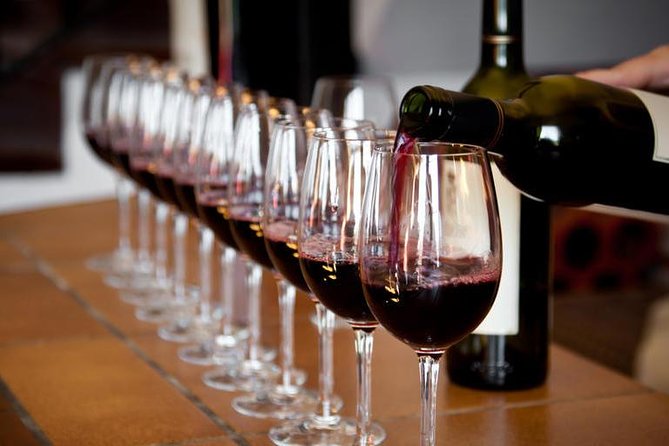
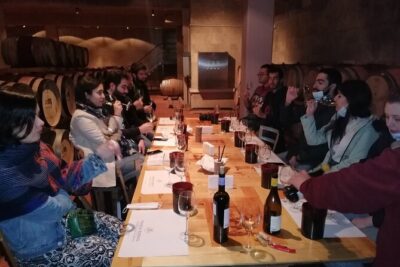
Ksara makes several styles, including dry reds, sweet wines, dry whites, and rosé. It also produces Arak. This range makes the stop a good fit if your taste is not limited to one style. You can compare how the wineries approach red and white wines, and you may find that the inclusion of rosé and Arak makes the day more varied.
The stop is scheduled for one hour, with admission included. That is enough time for a guided introduction and tasting, but not necessarily enough for a leisurely winery tour if the group is large or the visit runs behind. The small-group format should help, although the published capacity figures are not perfectly consistent.
Zahle gives the schedule a needed pause
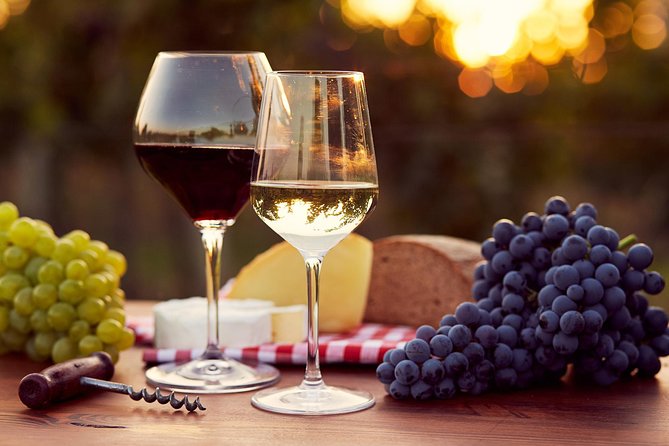
After the second winery, the itinerary pauses in Zahle for one hour at a local restaurant. This is a practical break in a wine-focused day. You get time to sit down, eat, and reset before the longer final winery visit.
The information provided identifies this as a lunch stop but does not say that lunch is included in the tour price. I would budget separately for the meal and confirm the arrangement when booking. That small check matters because the tour price may look different depending on whether you expect food to be covered.
Zahle also gives you a brief change from tasting rooms. The stop is not presented as a guided sightseeing visit, so do not book this tour expecting a full walking tour of the town. Its value is mainly the chance to eat at a local restaurant and break up the driving.
More Beirut food tours:
- Full-Day Private Wine Tasting Tour
★ 5.0 · 6 reviews - Wine Tasting and Culture
★ 5.0 · 3 reviews - Beirut Street Food Tour, Lebanon
★ 5.0 · 3 reviews
Chateau Rayak gets the longest visit
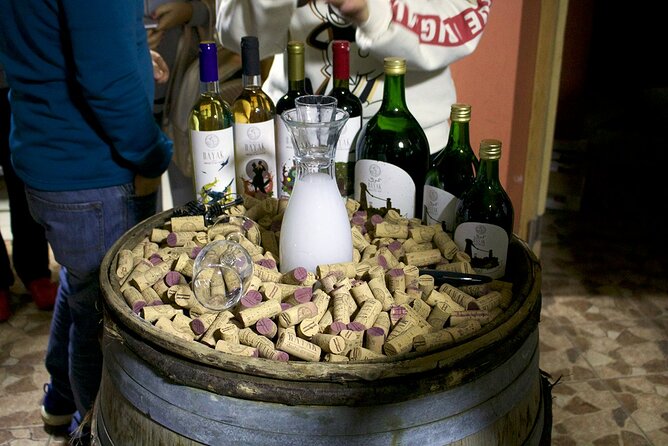
The final stop, Chateau Rayak, is scheduled for two hours, making it the most substantial winery visit of the day. The family behind the winery combines traditional methods with modern technology to produce wines from Bekaa Valley grapes.
That balance is a useful theme for the whole tour. Lebanese winemaking is presented through old family practices, regional grape growing, and current production methods. At Rayak, you have more time to explore how those pieces fit together.
The longer schedule may also make this the best stop for questions. Ask about fermentation, aging, the grapes used, and how traditional methods are kept in place alongside newer equipment. The supplied details do not promise a technical production tour, so the depth will depend partly on the staff and on how much time remains after the earlier stops.
One positive point is that the tour does not rush straight from one tasting to another. The final two-hour window gives the day a stronger finish. At the same time, you should remember that a long winery visit can feel slow if you are mainly interested in tasting rather than production.
What the guide can add to the day
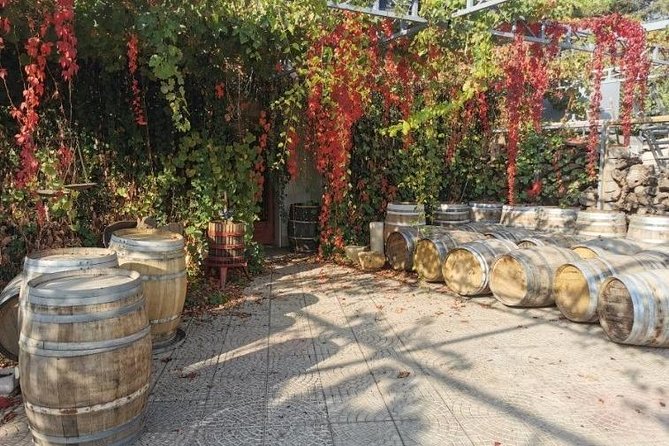
The guide can make a major difference on this experience. Robin is specifically praised for explaining the Bekaa Valley, Lebanese wine, and both historic and modern aspects of Lebanon. His good sense of humor is also noted, which matters during a long day of driving and scheduled visits.
A flexible guide is useful here because winery operations can change. One account describes an organiser’s car breaking down and another guide taking over. The replacement guide was also described as excellent, but the incident shows why it is wise to allow some tolerance for changes in transport or staffing.
Another strength is the possibility of an extra stop. Robin is reported to have suggested an additional visit that became a highlight of the day. This is not a guaranteed part of the advertised route, so treat it as a pleasant possibility rather than something to count on.
The best approach is to tell your guide what you want early. If you care about wine-making methods, ask for more production detail. If you want a broader understanding of Lebanon, say so. If you mainly want to taste, make that clear too. The tour has room for all three interests, but the balance may depend on the guide.
Is the $91.03 price good value?
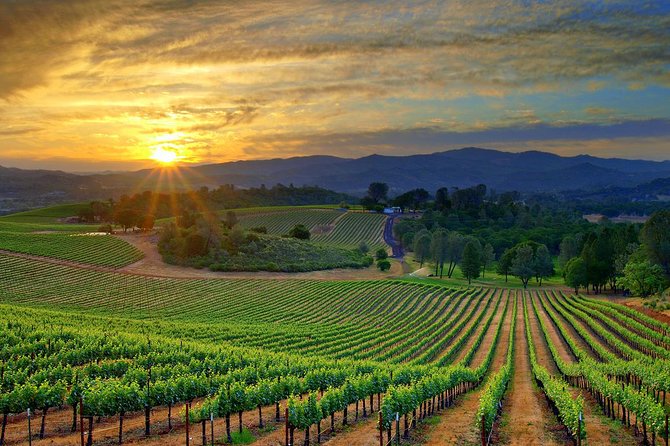
At $91.03 per person, the tour offers a fairly practical package: about eight hours, round-trip transport from Beirut, three winery visits, and included tastings. For a visitor without a rental car or private driver, the transport alone adds real value.
You also avoid the problem of choosing which wineries to visit. The route includes an established producer in Chateau Ksara, a family winery with a long local connection at Chateau Heritage, and a final stop focused on traditional and modern production at Chateau Rayak.
The price is less compelling if you expect a formal sommelier-led class, a full meal, or a private tour. Those features are not promised. You are paying for access, transport, tastings, and a guided day in the Bekaa Valley, not for an advanced wine certificate course.
The tour offers group discounts, and the group size may be small. The highlights describe a maximum of 10 for personalized service, while the additional information states a maximum of 15 travelers. Ask for clarification if group size is central to your decision. A group of two can feel almost private, while 15 people will create a different pace at tastings.
Timing, transport, and practical planning
The day starts at 9:00 am in Beirut and ends back at the meeting point. Pickup and drop-off at your hotel are offered, which is one of the strongest practical reasons to choose this option.
The climate-controlled vehicle is especially useful for a full day that includes road time. You can focus on the valley and the tastings instead of navigating unfamiliar roads. Since wine is involved, having arranged transport is more than a comfort. It lets you taste responsibly and avoid planning a sober driver.
Confirmation is provided at booking, and most people can participate. The tour is listed as non-refundable and cannot be changed after booking, so make sure your date and pickup details are correct before paying.
The mobile ticket is convenient for a day when you may not want to carry printed paperwork. The tour is also suitable for group bookings, with discounts available. Since the activity is popular enough to average booking 11 days ahead, I would not leave it until the last moment if your Beirut stay is short.
Who will enjoy this tour most
I would recommend this day to you if you want an easy introduction to Lebanese wine and prefer a planned route over independent logistics. It suits people who enjoy regional culture, family stories, local drinks, and a relaxed day outside Beirut.
It is also a good match for mixed-interest groups. One person can focus on wine while another enjoys the stories about Phoenician trade, Roman Baalbek, Arak, and Lebanon’s modern wine industry. The Zahle lunch stop helps keep the day from becoming six straight hours of tasting rooms.
You may want a different experience if you are a serious wine specialist seeking detailed vineyard data, rare bottles, or a long technical seminar. The supplied schedule promises tastings and winery visits, but not advanced instruction.
You should also think twice if you dislike long day trips or dislike fixed schedules. Three wineries plus driving and lunch make for a full program. The benefit is variety and convenience. The cost is less free time at each stop.
Should you book the Lebanon Wine Tasting Tour?
I would book it if you want to see the Bekaa Valley without hiring a private driver, and if your idea of a good day includes wine, local food, and cultural stories. The mix of Chateau Heritage, Chateau Ksara, Zahle, and Chateau Rayak gives you more range than a single winery visit, while the Beirut pickup keeps the day simple.
Before paying, confirm the group-size limit, ask whether lunch is included, and tell the organiser how much wine detail you want. If you are comfortable with the possibility that the experience may be more transport-and-tastings than formal wine instruction, the $91.03 price is sensible.
If you need a polished, highly technical tasting course, this may not be the right fit. For a first look at Lebanese wine with a guide such as Robin, three wineries, and a safe ride back to Beirut, it is a useful and enjoyable choice.
FAQ
Where does the Lebanon wine tasting tour start?
The tour starts in Beirut, Lebanon, with pickup offered at your hotel.
What time does the tour begin?
The scheduled start time is 9:00 am.
How long does the tour last?
The experience lasts approximately eight hours.
Which wineries are included?
The route includes Chateau Heritage, Chateau Ksara, and Chateau Rayak.
Is lunch included?
The itinerary includes a one-hour lunch stop at a local restaurant in Zahle, but it does not state that the cost of lunch is included.
Are wine tastings included?
Yes. Included tastings cover red, rosé, and white wines, although the exact number of pours is not specified.
How large is the tour group?
The highlights describe a group size limited to 10, while the additional information lists a maximum of 15 travelers. Confirm the expected group size before booking if this is important to you.
How much does the tour cost?
The listed price is $91.03 per person. Group discounts are available.
Can I cancel or change the booking?
No. The experience is non-refundable and cannot be changed for any reason after booking.
Just added around Beirut
- Beirut to Sidon, Tyre and Maghdouché: Daily Tours with Lunch★ 5.0 · 3 reviews
- Exploring Beirut’s Past: A Private Guided Historical Tour★ 5.0 · 3 reviews
- Chouf Charm: Private Journey Through Lebanon’s Historic Heartland★ 4.5 · 3 reviews
- Hike Chouwen★ 5.0 · 3 reviews
- Private Trip to Beiteddine, Deir el Qamar & Maaser el Chouf Cedars★ 4.5 · 3 reviews
- Small-Group Tour with Lunch to Baalbek, Anjar and Ksara★ 5.0 · 3 reviews
- Baalbek, Anjar & Wine: A Journey Through Lebanon’s Heritage★ 5.0 · 3 reviews
- Lebanese wineries guided tour with tastings & lunch★ 4.9 · 3 reviews
Wine Tours, compared.
PRIVATE Tour of Baalbek Temples, Umayyad Anjar & Ksara Winery
Read our review →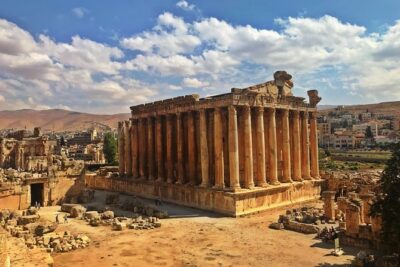
PRIVATE Wine Tasting Tour to the Bekaa Valey Fabulous Wineries
Read our review →
Journey Through Lebanese Wine: A Private Tour in the Beqaa Valley
Read our review →
Baalbek, Anjar & Wine: A Journey Through Lebanon’s Heritage
Read our review →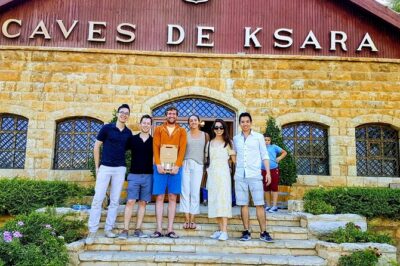
Browse the lists this tour appears in