
Reviewed · BEIRUT CITY TOURS
Authentic Lebanese Cooking Lesson and Meal with Tania’s Family in Beirut
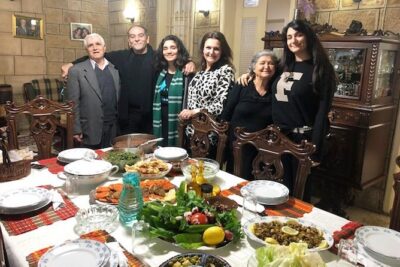
The best part of this Beirut experience is not simply learning to make Lebanese food. It is being welcomed into Tania’s family home, where her mother cooks from long-used family recipes and her father brings the serious eye of a former butcher. You prepare five dishes, talk about daily life and food traditions, then sit down to eat together.
I like the small private setting and the way food connects you with several generations of one family. I also like the garden-to-table angle: Tania’s father grows fruit and vegetables outside Beirut, and much of the household produce is local, fresh, and organic. The main consideration is the meeting point in Forn El Chebbak, since hotel pickup and drop-off are not included.
Key points to know before booking
- Tania leads the class: She is an agronomist and food safety specialist with a strong interest in cooking, travel, music, and food culture.
- Three family members host you: Tania’s mother brings a lifetime of home cooking, while her father contributes his experience as a former butcher and gardener.
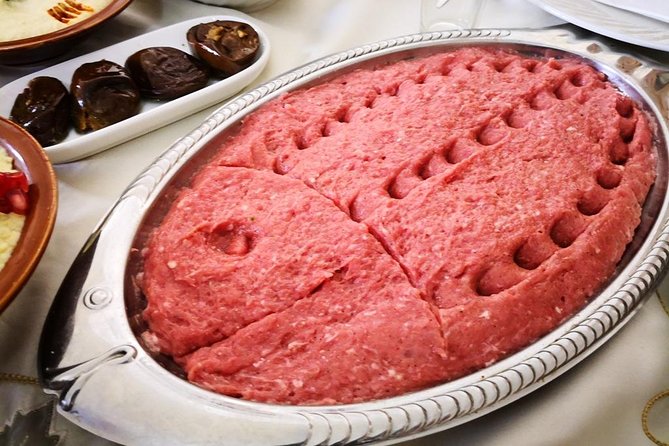
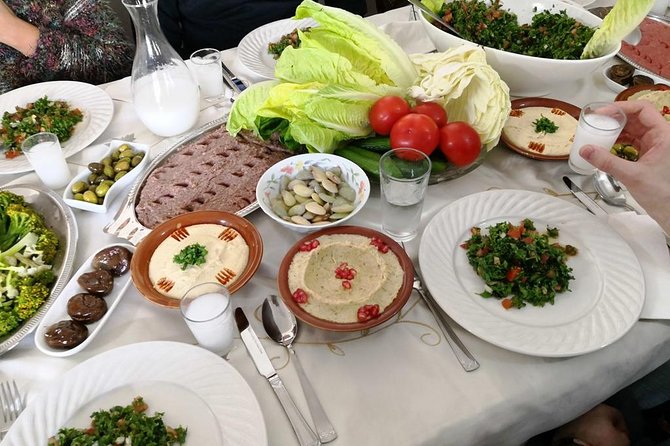
- Five Lebanese dishes are prepared: The menu can include hummus, baba ganoush, eggplant salad, stuffed zucchini, kibbeh, and kibbeh naye, depending on the planned meal.
- You eat what you cook: The lesson ends with a shared home meal, soft drinks, and one or two glasses of local arak.
- It is a private activity: Only your group participates, so the pace and conversation can be personal rather than classroom-like.
- Plan ahead for dietary needs: Vegetarian cooking is available, but allergies, restrictions, and preferences should be shared when booking.
A Beirut food experience built around family life
Many cooking classes give you a recipe, a work station, and a quick meal. This one gives you a family setting. That difference matters.
Tania’s home is the center of the activity, and her parents take part in both cooking and hosting. You are not just watching a professional prepare a polished demonstration. You are helping in an intimate kitchen and hearing how food fits into family life, gardening, work, and tradition.
Tania brings a useful professional background. As an agronomist and food safety specialist, she can discuss ingredients from more than a cook’s point of view. Her interests also reach beyond the kitchen. She sings, plays piano, and enjoys travel, so conversation can move easily from recipes to culture and personal stories.
Her mother is the traditional cooking authority in the room. She has cooked Lebanese meals for her family throughout her life and uses family recipes rather than a restaurant-style menu designed for tourists. Her father adds a different perspective. As a retired butcher, he takes meat seriously, and his garden supplies much of the family’s produce.
That combination gives the class a wider view of Lebanese food. You learn not only what goes into a dish, but also why freshness, preparation, family habits, and shared meals matter.
More ways to see Beirut on foot:
- City Sightseeing Beirut Hop-On Hop-Off Bus Tour
★ 4.5 · 87 reviews - Airport Arrival Transfer to Your Beirut Hotel
★ 5.0 · 87 reviews - PRIVATE Beirut Historical Walking Half Day Tour
★ 5.0 · 27 reviews
What happens during the three-hour visit
The activity begins at 11:00 a.m. in Forn El Chebbak, Lebanon. You make your own way to the meeting point, since transportation from your hotel is not included. The experience ends back at the same point after roughly three hours.
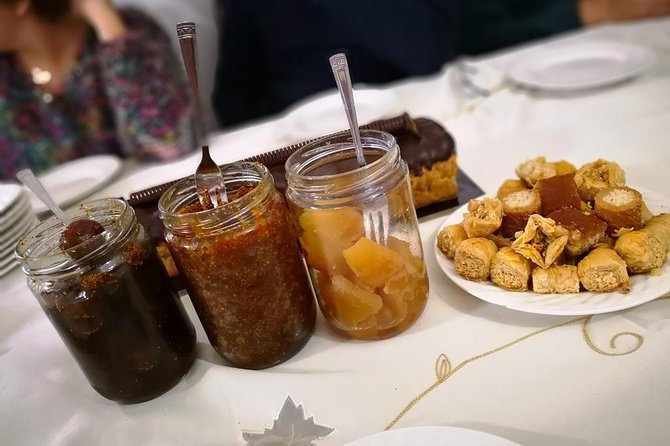
The visit starts with a warm welcome and time to settle in. One review describes being greeted with coffee, which fits the family atmosphere of the visit. This early conversation is useful because it helps you understand who is hosting you before the cooking begins.
You then work with Tania and her parents to prepare five Lebanese dishes. The exact flow can vary, but the food may include hummus, baba ganoush, eggplant salad, stuffed zucchini, kibbeh, and kibbeh naye. These are not random menu choices. Together, they show several key parts of Lebanese cooking: dips, vegetables, stuffed dishes, seasoned meat, and careful preparation.
Hummus gives you a familiar starting point, but the value is in seeing how a home cook handles texture, seasoning, and balance. Baba ganoush and eggplant salad show another side of the cuisine, where vegetables are treated as central dishes rather than minor additions.
Stuffed zucchini requires more hands-on work and gives you a look at the patience behind many Lebanese family meals. Kibbeh brings in the more serious meat preparation, while kibbeh naye offers a raw preparation that may not suit every diner. If that dish is part of your meal, ask questions about the ingredients and preparation, especially if you have dietary or food safety concerns.
The supplied information does not promise one fixed menu for every date, so you should think of the named dishes as examples rather than a guaranteed list. If a particular dish matters to you, ask about it when booking.
Learning Lebanese cooking from Tania’s mother
The cooking lesson is strongest when you treat it as a conversation, not a formal class. Tania’s mother has spent a lifetime making traditional food for her family, and her practical advice is the sort of detail that recipes often leave out.
You might learn how a dish should look before it is ready, how ingredients are handled at home, or how a family recipe changes with taste and season. The class gives you a chance to ask about those small decisions while the food is being made.
Tania’s role adds structure. Her background in food safety can help explain handling and preparation, while her interest in agriculture connects the meal to the source of the ingredients. This is especially useful for anyone who wants more than a quick cooking demonstration.
The setting also keeps the class personal. Since the activity is private, you do not share the kitchen with a large group. Your questions can shape the discussion, and the family can focus on your group’s interests, cooking preferences, and level of experience.
That said, this is not the right choice if you want a slick, restaurant-style cooking school with a strict timetable and a printed lesson plan. The appeal is the home setting and family exchange. The pace may feel more relaxed and conversational than highly structured.
From garden produce to the dining table
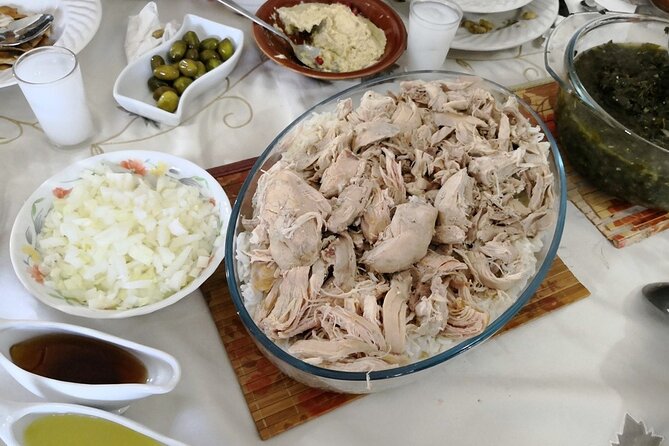
Tania’s father grows fruit and vegetables in a garden on the outskirts of Beirut. Much of the produce used by the household comes from that garden, and the family describes it as local, fresh, and organic.
You should not expect a full farm visit, since the information does not include a separate garden tour. The garden matters because it gives context to the food you are preparing. It shows how a Beirut family connects meals with growing, sourcing, and seasonality.
His background as a former butcher also adds a useful contrast. Lebanese cooking is often associated with colorful mezze and vegetable dishes, but meat preparation has its own standards and traditions. His role can make the discussion of meat more practical, particularly during kibbeh preparation.
This is one of the experience’s most appealing details for food-focused visitors. You are not simply buying ingredients for a lesson. You are hearing how a family grows, chooses, and prepares food in everyday life.
A few more Beirut days worth weighing up
- Private Lebanese Cooking Class in Beirut with Amal + Transfers
★ 5.0 · 20 reviews - Traveling Spoon Lebanese Mezze Private Online Cooking Class
★ 5.0 · 4 reviews
The shared meal is the real payoff
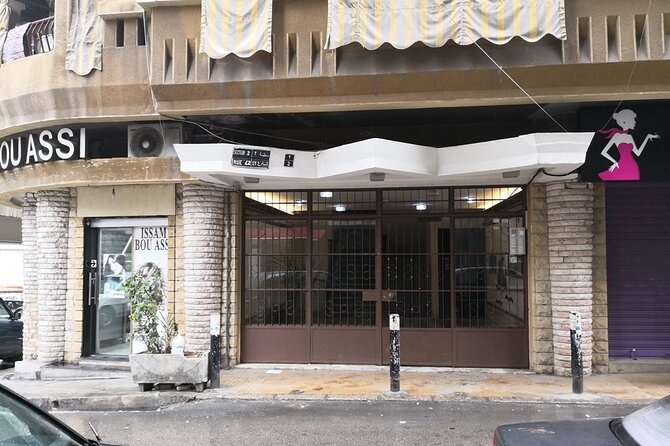
After the cooking, you sit down to eat the meal with Tania and her parents. This is where the experience changes from lesson to social visit.
You taste the food in the same family setting where it was prepared, rather than packing it away and leaving. The meal includes non-alcoholic drinks and one or two glasses of local arak. Arak is a traditional Lebanese spirit, so it adds a local touch to the table, though you can let the host know if you do not drink alcohol.
The shared meal also gives you more time to talk. One especially warm account describes the family discussing much more than food, including everyday life and personal interests. Another notes that Tania explained her work in the food industry and her other ventures. These conversations are a major part of the value.
If you arrive hungry, that is sensible. The visit lasts about three hours and includes both cooking and eating. Still, do not treat it as a quick lunch stop. You are paying for time with a family, hands-on preparation, and a full meal, not just a plate of Lebanese food.
Why the private format matters
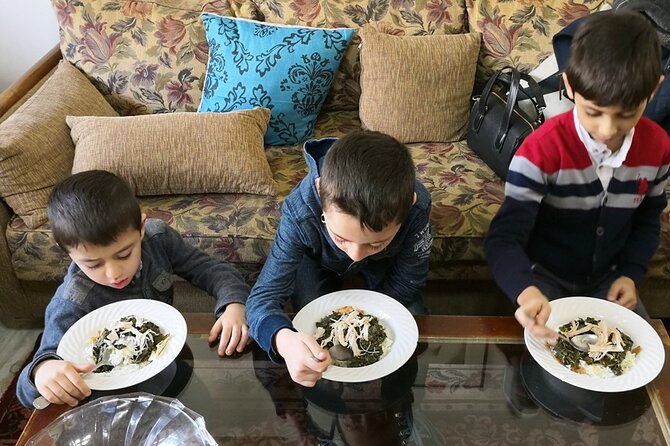
At $100 per person, this is not the cheapest way to eat in Beirut. You can find meals for less, and a standard restaurant will not require you to spend three hours cooking.
The price makes more sense when you count what is included: a private lesson, five dishes, a home-cooked meal, drinks, local alcohol, taxes, handling charges, and gratuities. You are also paying for access to a family kitchen and for Tania’s time, along with her parents’ participation.
For a couple or small group, the private format can offer good value. You do not have to adapt to strangers, and the conversation can focus on your questions. Group discounts may also be available, so larger private parties should check the final price before booking.
I would choose this experience for someone who values local contact over a low-cost meal. It suits food lovers, curious cooks, couples, families, and anyone who wants to understand Beirut through domestic life rather than only through major sights.
It may be less suitable for a visitor with a tight schedule, a strong dislike of home settings, or no interest in participating. You should also clarify dietary needs in advance. Vegetarian cooking is available, but allergies, restrictions, and cooking preferences must be shared when you book.
Practical details for your Beirut day
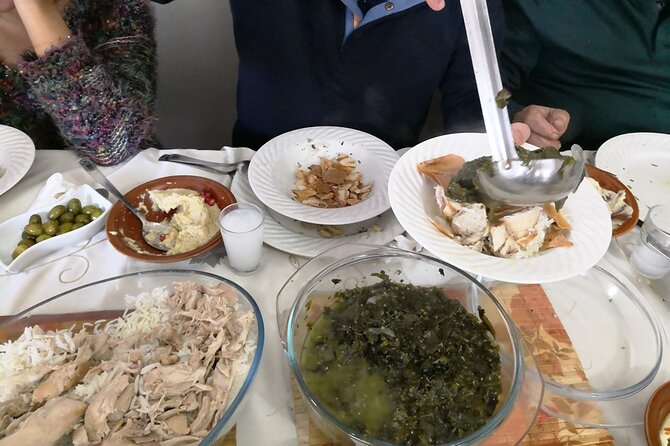
The start time is 11:00 a.m., and the activity lasts around three hours. Since it begins and ends in Forn El Chebbak, leave time to reach the meeting point independently. Hotel pickup and drop-off are not included.
Confirmation is provided when you book. The activity is private, and only your own group takes part. Service animals are allowed.
Cancellation is flexible up to two full days before the start time. Cancel at least 48 hours in advance for a full refund. Changes or cancellations made inside that window are not accepted for a refund, and the cutoff follows local Beirut time.
The experience is available for groups, with discounts offered in some cases. The safest approach is to state all food concerns at the time of booking rather than trying to adjust the menu on arrival.
Who should book this cooking class
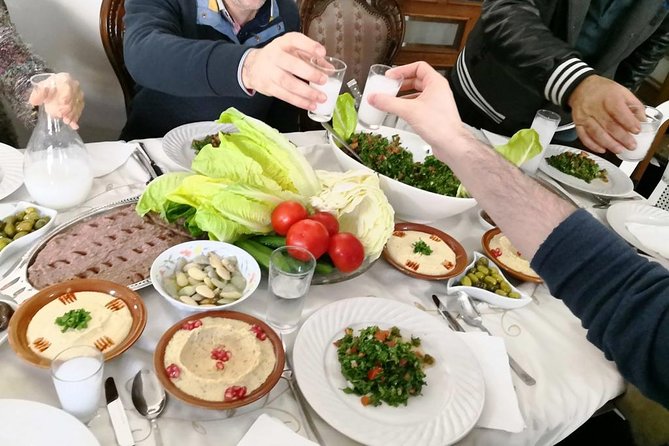
I would point food-focused visitors toward this class if they want a personal connection with Beirut. The family setup gives you more than a list of dishes. You get a look at how food, gardening, work, and conversation fit together at home.
It is particularly well suited to people who enjoy asking questions. Tania’s professional work, her mother’s long experience in the kitchen, and her father’s interest in meat and gardening create several points of discussion.
You will also get the most from it if you are willing to help. This is a hands-on lesson, not a demonstration where you sit back and take photos. The cooking is part of the social exchange.
The main drawbacks are practical rather than serious. You must arrange your own transportation, the menu is not presented as a fixed list for every visit, and the relaxed family style may not suit someone looking for a tightly timed culinary course. At $100, the value depends on how much you care about personal contact and participation.
Should you book Tania’s family cooking experience?
Yes, if you want to cook, eat, and talk with a Lebanese family in their home. The combination of Tania’s food and agriculture background, her mother’s family recipes, and her father’s gardening and meat experience gives the visit a human scale that a restaurant meal cannot match.
Book it with an open schedule and an appetite. Share dietary needs early, confirm any dish you especially want to prepare, and plan your route to Forn El Chebbak. If you want a private, welcoming introduction to Lebanese food with time for real conversation, this is a strong choice.
FAQ
Where does the cooking experience begin?
It begins in Forn El Chebbak, Lebanon, at 11:00 a.m.
How long does the experience last?
The activity lasts approximately three hours.
Does the experience include hotel pickup?
No. Hotel pickup and drop-off are not included. You must reach the meeting point in Forn El Chebbak independently.
Is this a private cooking class?
Yes. Only your group participates in the activity.
Who hosts the cooking lesson?
Tania hosts the experience with her parents. Tania is an agronomist and food safety specialist, her mother is a home chef, and her father is a retired butcher who grows produce.
How many dishes will be prepared?
You will learn to cook five authentic Lebanese dishes. The specific menu can vary, and examples include hummus, baba ganoush, eggplant salad, stuffed zucchini, kibbeh, and kibbeh naye.
Are vegetarian options available?
Yes. A vegetarian option is available, but you should request it when booking. You should also report allergies, dietary restrictions, and cooking preferences at that time.
Are drinks included?
Yes. The experience includes non-alcoholic drinks and one or two glasses of local arak. Taxes, fees, handling charges, and gratuities are also included.
Just added around Beirut
- Beirut to Sidon, Tyre and Maghdouché: Daily Tours with Lunch★ 5.0 · 3 reviews
- Chouf Charm: Private Journey Through Lebanon’s Historic Heartland★ 4.5 · 3 reviews
- Exploring Beirut’s Past: A Private Guided Historical Tour★ 5.0 · 3 reviews
- Hike Chouwen★ 5.0 · 3 reviews
- Private Trip to Beiteddine, Deir el Qamar & Maaser el Chouf Cedars★ 4.5 · 3 reviews
- Small-Group Tour with Lunch to Baalbek, Anjar and Ksara★ 5.0 · 3 reviews
- Lebanese wineries guided tour with tastings & lunch★ 4.9 · 3 reviews
- Baalbek, Anjar & Wine: A Journey Through Lebanon’s Heritage★ 5.0 · 3 reviews
Beirut City Tours, compared.

Beirut: Jeita Grotto, Harissa, Byblos group tour & Guide
Read our review →
Private Lebanese Cooking Class in Beirut with Amal + Transfers
Read our review →
Lebanon: Beirut, Jeita Grotto, Byblos Private Tour and Lunch
Read our review →
Historical Beirut Tour (AM) Half Day – (4G on Board)
Read our review →
Authentic Lebanese Meal in Beirut in Tania’s Family Home
Read our review →
Browse the lists this tour appears in