
Reviewed · TRIPOLI & BATROUN TOURS
Tripoli City Lebanon Trip
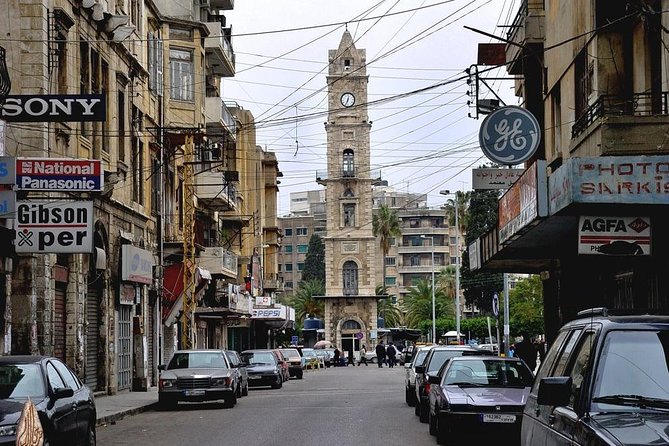
Tripoli’s appeal is its mix of Mamluk mosques, old markets, and a Crusader citadel packed into one northern Lebanese city. This day trip also reaches the abandoned railway station, a reminder that Tripoli once sat on an international rail route tied to the Orient Express.
I like the easy hotel pickup from Beirut and the chance to see local life in the old souk rather than only photographing monuments. I also like the small maximum group of 15, plus the driver’s flexibility, which can make a long day feel more personal.
The main drawback is that lunch and entrance fees are extra, and the experience is non-refundable. You should also allow for a full day on the road, with about eight hours in total and roughly five hours listed for the Tripoli portion.
Key points to know before you book
- Tripoli’s abandoned railway station once connected the city with Homs and Beirut, and served as an Orient Express terminus in the early twentieth century.
- The old souk and Great Mosque give you a close look at daily commerce and Mamluk-era architecture.
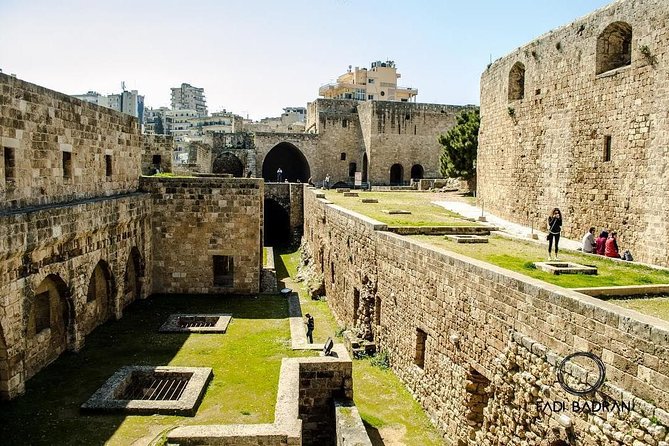
- The Citadel of Raymond de Saint-Gilles rises above the city and dates to 1103.
- A traditional soap factory adds a working craft stop to the sightseeing.
- Hotel pickup, parking, and an air-conditioned vehicle are included in the $45 price.
- A group of up to 15 people keeps the outing smaller than a large coach tour, but it is still a shared experience.
Why Tripoli makes a worthwhile day from Beirut
Tripoli is about 85 kilometers, or 53 miles, north of Beirut. That distance makes it too far for a quick side trip, but manageable as a planned day out with transport arranged for you.
The city offers a different feel from Lebanon’s capital. The focus here is not a single grand sight. Instead, you move between railway remains, market lanes, religious buildings, military architecture, and traditional production. That variety gives the day a useful sense of place.
I especially like the way this outing combines famous landmarks with ordinary city life. The old souk is not just a historic backdrop. It is a place where merchants sell goods and residents carry on with the day. You get to see Tripoli as a living city rather than a museum assembled for visitors.
The tour costs $45 per person. For that amount, you receive round-trip transport from Beirut, an air-conditioned vehicle, hotel pickup and drop-off, an English or Arabic-speaking driver, and parking fees. That is a fair price if you value not having to arrange a car or navigate the distance yourself.
Still, the price does not cover lunch or entrance fees. Those costs may be modest, but you should bring extra money and confirm which attractions require payment on the day. The experience is best viewed as a transport and sightseeing package, not an all-inclusive outing.
More of the northern coast:
- Aaqoura Lakes – Baatara Waterfall – Batroun
★ 4.5 · 55 reviews - PRIVATE city Tour of authentic Tripoli and vibrant Batroun
★ 5.0 · 51 reviews - Guided Small-Group Tour to Tripoli and Batroun with Lunch
★ 5.0 · 16 reviews
Leaving Beirut at 8:30 in the morning
The day begins at 8:30 am with pickup in Beirut. Hotel pickup removes one of the most annoying parts of a day trip: finding the exact meeting point before breakfast and arranging transport across the city.
You will spend part of the day in the vehicle, so an air-conditioned car matters, especially during warmer weather. The drive also means the schedule depends on road conditions, though no exact travel time is provided.
The maximum group size is 15 people. That is small enough to avoid the feel of a large sightseeing bus, but you should not expect a private tour unless you book separately and confirm that option. The driver speaks English or Arabic, which helps with basic explanations and practical questions along the way.
The tour is booked, on average, 13 days ahead. That detail suggests you should not leave it until the last minute if your dates are fixed. Confirmation arrives at booking, which is useful when you are building a Beirut itinerary around a specific day.
Tripoli’s abandoned railway station and the lost rail route
The abandoned train station is an unusual first stop. It began operating in 1911 and was connected to Homs in Syria by a single track. In the 1920s, 1930s, and 1940s, Tripoli served as the terminus of an Orient Express line.
The station later connected to Beirut’s Mar Mikael central station in 1945. Those details give the stop more weight than a simple photograph of an old building. You are looking at a piece of Lebanon’s former rail network and at a time when regional travel depended on trains rather than highways.
Because the station is abandoned, do not expect a polished museum visit or a fully restored transport exhibit. Its value comes from the atmosphere and the story behind the remains. If you enjoy old infrastructure, transport history, or places that show how a city changed, this will likely be one of the more memorable stops.
The information provided does not specify the station’s current condition, how much time you spend there, or if you enter the building. Treat it as a guided exterior or heritage visit unless your provider confirms more. Comfortable shoes are sensible for any stop involving older surfaces, though no formal footwear rule is stated.
The old souk and Great Mosque

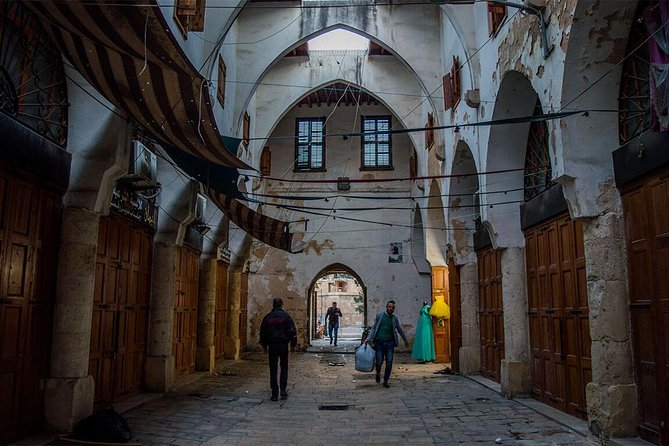
From the railway station, the day moves into Tripoli’s old souk. This is where the tour shifts from historic remains to present-day life. You can watch shopkeepers display merchandise, see the flow of local buying and selling, and get a better sense of how the old center functions.
The market is also the right place to slow down. Monuments tell you what happened in the past, while the souk shows you how the city works now. I would keep your camera ready, but I would also pay attention to the small details: shopfronts, goods on display, and the changing pace between narrow market passages.
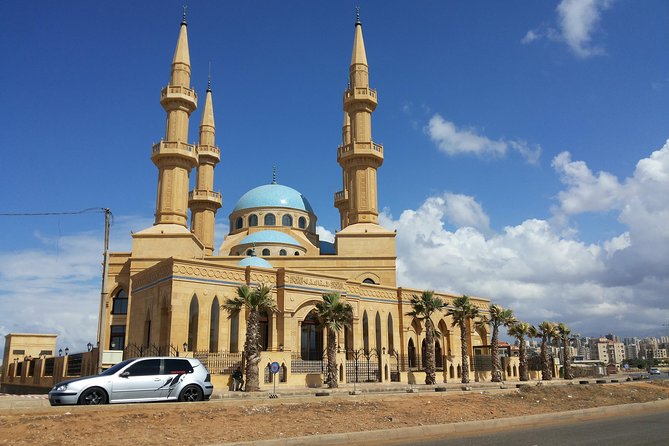
The Great Mosque is built in the Mamluk period and is part of Tripoli’s large collection of Mamluk architectural heritage. Tripoli is known for having the second largest amount of Mamluk architecture in the world after Cairo. That is a major reason to include the city in a Lebanon itinerary.
The mosque visit should be approached with respect for its religious role. The supplied details do not state a dress code, opening hours, or whether entry inside is always possible. Ask the driver about the best way to visit on your date, and follow any local instructions.
The old souk can be visually busy and may not feel as controlled as a purpose-built attraction. That is part of its value, but it also means the experience may be less predictable. If you prefer a tightly timed sightseeing route, this stop could feel loose. If you want contact with daily life, it is one of the strongest parts of the day.
More city tours in Beirut:
- City Sightseeing Beirut Hop-On Hop-Off Bus Tour
★ 4.5 · 87 reviews - Private Baalbek City Tour
★ 5.0 · 14 reviews - PRIVATE tour to Jeita Grottos, Harissa Shrine & Byblos City
★ 5.0 · 12 reviews - Private Beirut City Tour with Boat Ride at Raouche Rock
★ 4.5 · 10 reviews
The Citadel of Raymond de Saint-Gilles
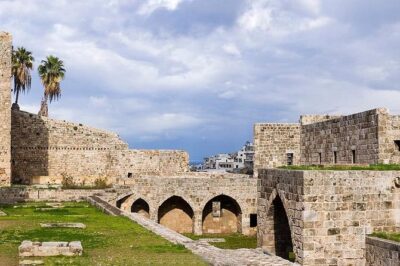
The Citadel of Raymond de Saint-Gilles is the tour’s major historic landmark. Raymond de Saint-Gilles, governor of Tripoli, built it in 1103. It is known as the largest Crusader fortress in Lebanon.
That title gives the citadel real importance, but the experience is not only about size. The fortress connects Tripoli to the Crusader period and gives the city a high-profile defensive monument alongside its Mamluk buildings.
The provided information does not specify the entry fee, interior route, stair count, or the time allowed inside. Entrance fees are not included, so ask before arrival how much you need to pay and what the ticket covers.
I would plan to spend your best attention here rather than rushing through it. The site is the kind of place where the setting, walls, and historical layers matter as much as any single room. You may find the visit more rewarding if you listen to the explanation first, then take time to look around at your own pace.
The citadel can also be the point where the day feels most like traditional sightseeing. That balance works well: the railway station gives you modern regional history, the souk gives you street life, the mosque gives you Mamluk design, and the citadel brings in the Crusader chapter.
A traditional soap factory in the old city
The final listed stop is a soap factory. This adds a practical craft element to a route otherwise centered on architecture and history.
A factory visit can be useful because it shows how local production fits into the city’s identity. Instead of only viewing finished monuments, you get a chance to see a traditional trade. The details provided do not say how the soap is made, how long the visit lasts, or if shopping is part of the stop, so keep your expectations open.
I like this kind of stop when it remains connected to local work rather than becoming a forced retail visit. Since the exact format is not stated, you can ask the driver whether there is a demonstration, a shop, or simply a brief visit.
The soap factory also gives the schedule some variety. After the souk and citadel, a craft stop can make the day feel less like a checklist of old buildings. It may be especially appealing if you want practical cultural details, not only formal history.
Food, timing, and what the $45 covers
Lunch is not included. That is important because the day begins early and lasts about eight hours. You will need to plan for a meal yourself, either by asking about a suitable local option or by arranging your own food.
One published account of the experience describes trying a traditional Tripolitan dish and enjoying it greatly. That does not guarantee the same meal for every departure, so treat it as a possibility rather than a fixed part of the booking. Ask your driver what is available on the day.
The itinerary lists about five hours for the Tripoli portion, followed by the return drive to Beirut. The full experience lasts approximately eight hours. This is enough time for the main stops, but not enough to explore every corner of the city at a slow pace.
The included parking fee is a small but useful detail. Parking costs can complicate city visits, and having it handled keeps the schedule simpler. Hotel drop-off at the end also means you do not have to find your way back after a long day.
You pay separately for entrance fees, and the tour does not state how many sites require them. Bring cash or another accepted payment method, but do not assume every form of payment will be available. The best value comes from the transport, route planning, and local driver rather than from included admission.
The driver, group size, and overall feel
The experience includes an English or Arabic-speaking driver. The supplied information does not give the driver’s name, so you should not expect to select a named guide in advance.
The driver’s role appears central to the day. You are being taken between several parts of Tripoli, with parking and local movement handled for you. A friendly, hospitable driver can make a major difference on a route like this, and one account describes exactly that kind of warm service and punctual pickup.
That positive detail is worth noting, but it is still wise to keep expectations realistic. A driver-led tour may not offer the same depth as a specialist historian guiding every building. If detailed architectural interpretation is your priority, ask before booking how much commentary is included.
The group limit of 15 gives you a practical middle ground. You get shared-tour pricing and organized transport without joining a very large group. The tradeoff is that stops may follow a set pace, and individual requests may not always fit the schedule.
Who should book this Tripoli day trip?
I would choose this outing if you are staying in Beirut and want to see northern Lebanon without renting a car. It suits first-time visitors who want the major Tripoli highlights in one organized day.
It is also a good match for people who like variety. You will see a railway station, a market, a mosque, a fortress, and a craft workshop. That range makes the experience more rewarding than a route built around one monument.
The trip may suit you less if you want a slow, independent day in the souk. Five hours in Tripoli is useful, but the schedule includes several stops, so there may not be much free time. It may also be less suitable if you need an all-inclusive price, since lunch and admission fees are separate.
Most people can participate, according to the supplied tour details, and the group can include up to 15 people. No special accessibility information is provided, so contact the provider if you need specific assistance.
The cancellation policy deserves attention. The experience is non-refundable and cannot be changed for any reason. Only book once you are confident about your date and plans.
Should you book it?
Book this Tripoli trip if you want a practical, fairly priced day from Beirut that combines major historic sights with the old souk and local craft traditions. The abandoned station and soap factory give the route more character than a basic fortress tour.
At $45, the package offers good value for transport, hotel pickup and drop-off, parking, and a full day of organized sightseeing. Add money for lunch and entrance fees, and remember that the schedule is shared and fairly full.
I would make this one of the better choices for a first visit to Tripoli, especially if you prefer not to arrange regional transport yourself. Skip it only if you need a private, highly detailed guided tour or a flexible day with no fixed route.
FAQ
Where does the Tripoli tour start and end?
The tour starts in Beirut, Lebanon, with hotel pickup offered. It ends back at the meeting point in Beirut after the return drive.
What time does the experience begin?
The stated start time is 8:30 am.
How long does the day trip last?
The full experience lasts approximately eight hours. The listed time for the Tripoli portion is about five hours, followed by the return to Beirut.
What is included in the $45 price?
The price includes an air-conditioned vehicle, hotel pickup and drop-off, an English or Arabic-speaking driver, and parking fees.
Are lunch and entrance fees included?
No. Lunch and entrance fees are not included in the tour price.
How large is the group?
The activity has a maximum of 15 travelers.
Just added around Beirut
- Beirut to Sidon, Tyre and Maghdouché: Daily Tours with Lunch★ 5.0 · 3 reviews
- Exploring Beirut’s Past: A Private Guided Historical Tour★ 5.0 · 3 reviews
- Chouf Charm: Private Journey Through Lebanon’s Historic Heartland★ 4.5 · 3 reviews
- Private Trip to Beiteddine, Deir el Qamar & Maaser el Chouf Cedars★ 4.5 · 3 reviews
- Hike Chouwen★ 5.0 · 3 reviews
- Small-Group Tour with Lunch to Baalbek, Anjar and Ksara★ 5.0 · 3 reviews
- Baalbek, Anjar & Wine: A Journey Through Lebanon’s Heritage★ 5.0 · 3 reviews
- Lebanese wineries guided tour with tastings & lunch★ 4.9 · 3 reviews
Tripoli & Batroun Tours, compared.

PRIVATE city Tour of authentic Tripoli and vibrant Batroun
Read our review →
Guided Small-Group Tour to Tripoli and Batroun with Lunch
Read our review →
Full day Tripoli private great guide/all-in + rustic meal
Read our review →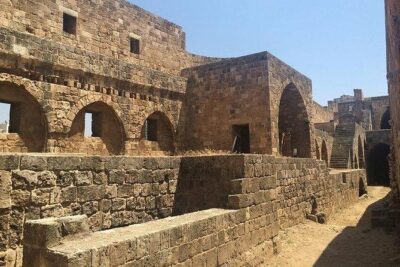
Private Full-Day Tour to Byblos and Tripoli from Beirut
Read our review →Browse the lists this tour appears in