
Reviewed · BYBLOS TOURS
Byblos and Tripoli Tour
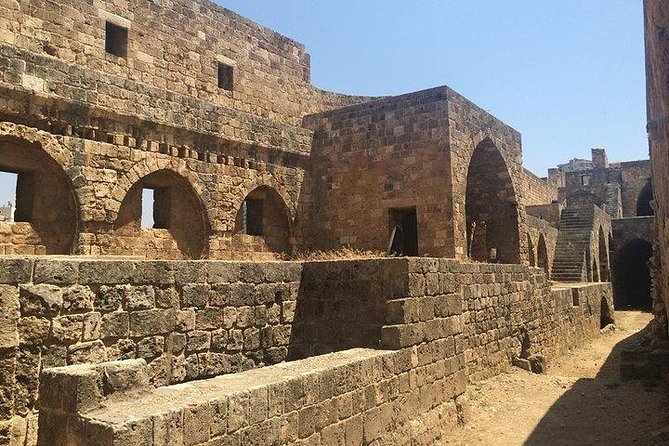
Tripoli’s old souks are the real draw here. Tailors, jewelers, perfumers, tanners, and soap-makers still work among khans and buildings that have changed little over centuries. Then you move south to Byblos, where an old harbor, ancient ruins, a Crusader castle, and a modern seaside town fit into one rewarding stop.
I like the private format, since your group can set the pace and ask Fadi Eid questions along the way. I also like the simple logistics: hotel pickup and drop-off in Beirut, an air-conditioned vehicle, onboard WiFi, and a full day that covers two major coastal destinations.
The main drawback is the long day. Tripoli receives about two hours, while Byblos gets four, and the remaining time is used for driving and the tour’s other logistics. The transport details also need clarification because the information lists both private transport as not included and an air-conditioned vehicle as included.
Key points at a glance
- Tripoli’s working souks: See old trade quarters associated with tailors, jewelers, perfumers, tanners, and soap-makers.
- Byblos in four hours: Explore the harbor, ancient city remains, Crusader castle and church, and old market area.
- A private day from Beirut: Only your group participates, with front-door hotel pickup and return.
- Guide Fadi Eid: The tour is operated by Lebanon Tours Online by Fadi Eid, and Fadi is also referred to as Fadil in the tour material.
- Comfort on the road: An air-conditioned vehicle, restroom, and WiFi are listed among the inclusions.
- Plan for a full nine hours: The experience operates from about 8:30 AM to 5:00 PM, Monday through Sunday.
Why combine Tripoli and Byblos in one day?
Lebanon’s coast gives you two very different kinds of sightseeing in a single outing. Tripoli is about old commercial quarters and daily work. Byblos offers a more polished mix of seaside life, archaeology, medieval remains, and shopping.
That contrast is the tour’s main strength. If you visited only Byblos, you would see one of Lebanon’s best-known coastal towns but miss the feel of Tripoli’s old trades. If you visited only Tripoli, you would miss Byblos’ harbor and the remains of one of the country’s major ancient settlements.
I would choose this tour if you have limited time in Beirut and want to go beyond the capital without arranging several separate transfers. A nine-hour day is a serious commitment, but it is an efficient way to cover both places.
The private setup matters here. You are not tied to the interests of a large group, and you can ask for more explanation at the castle, spend longer among the souks, or keep moving if shopping is not your priority. The exact flexibility should be discussed with Fadi before departure, since the published sightseeing times are fairly specific.
More days out in Byblos:
- Guided Small-Group Tour to Jeita, Harissa, Byblos with Lunch
★ 5.0 · 361 reviews - Jeita Grotto,Harissa&Byblos Full-Day PRIVATE-CAR Trip from Beirut
★ 5.0 · 222 reviews - Jeita Grotto – Harissa – Byblos Trip
★ 5.0 · 169 reviews
Tripoli’s souks and old khans
Tripoli receives about two hours, so you should arrive ready to walk and observe rather than expect a slow, all-day exploration. The old souks and khans form a network of trade quarters where traditional crafts and commerce have long shared the same streets.
The details are what make this stop worthwhile. Tailors, jewelers, perfumers, tanners, and soap-makers are all associated with these old lanes. You are not simply looking at preserved walls. You are seeing a historic commercial area connected to real work and ordinary buying.
Around forty-five buildings in Tripoli are registered as historical sites, with many dating from the 14th century. That gives the visit a clear sense of scale. The old center is not one isolated monument. It is a collection of buildings, lanes, and trade spaces that belong together.
Two hours can give you a strong first look, but it is not generous if you want to browse every passage or shop. One useful piece of advice is to keep your expectations focused. Enjoy the atmosphere, notice the trades, and ask your guide to point out the most important buildings rather than trying to cover every corner.
A previous itinerary with Fadi was customized around Tripoli and Batroun, and the visitor specifically wanted more time in the Tripoli souks. That is a helpful warning for this tour as well: the souks can easily absorb more time than the schedule allows. If they are your main reason for booking, tell Fadi before the day begins.
The old center also rewards curiosity. Perfumery, soap-making, leather work, and jewelry are not interchangeable sights, and each points to a different part of the city’s commercial life. I would ask about the purpose of the khans and how the trades were arranged. Those questions can turn a short walk into a much more useful visit.
Tripoli city views and the El Mina option
The tour description centers on the souks, but the experience connected with Tripoli can also include different city interests depending on how the day is arranged. El Mina and the Corniche are specifically associated with a relaxed seaside quarter.
El Mina projects into the sea and has old buildings, colorful houses, local churches, and small back streets. This is a different mood from the covered or enclosed feel of the souks. If you have an interest in local neighborhoods and waterfront scenery, ask whether time can be made for El Mina.
The available time is the issue. The stated Tripoli stop is two hours, and you cannot assume that the souks, a city viewpoint, El Mina, and the Corniche will all fit comfortably. One account also highlights the castle for its city view, so that may be a better priority if you want an overview from above.
Since this is a private tour, you have a better chance of discussing those choices than you would on a fixed group excursion. Still, do not wait until the final minutes. Decide early whether your preference is old trades, a castle view, or the seaside quarter.
Byblos harbor, ruins, and medieval remains
Byblos receives about four hours, making it the main sightseeing stop. The town combines a modern center with an ancient core, so the visit is not limited to ruins or museums. You can move between the harbor, old market area, and archaeological remains within the same general stop.
The old harbor is protected from the sea by a rocky headland. It gives Byblos a natural focal point and helps explain why the town developed as a coastal settlement. You can expect the harbor to feel quite different from Tripoli’s commercial lanes, with more emphasis on the seafront and the town’s older stone areas.
Near the harbor are the excavated remains of the ancient city. The tour also includes the Crusader castle and church, along with the old market area. These sites give you several layers of Byblos in one visit: ancient settlement remains, medieval religious and defensive buildings, and the continuing life of a modern town.
Four hours is a much better allowance for Byblos than two hours is for Tripoli. You should have time to see the main sights without treating the stop as a rushed photo break. Even so, the exact order and pace may depend on traffic, your interests, and the amount of time spent walking or shopping.
I would use the Byblos stop in three parts. First, orient yourself around the harbor and old town. Next, give proper attention to the excavated remains and Crusader buildings. Finally, leave time for the old market rather than treating it as an afterthought.
The market is useful because it connects the monuments to the present-day town. Byblos is not an archaeological site sitting apart from daily life. It is a working town with an ancient center, and that mix is one of the reasons the stop works so well beside Tripoli.
More of the northern coast:
- Aaqoura Lakes – Baatara Waterfall – Batroun
★ 4.5 · 55 reviews - PRIVATE city Tour of authentic Tripoli and vibrant Batroun
★ 5.0 · 51 reviews - Guided Small-Group Tour to Tripoli and Batroun with Lunch
★ 5.0 · 16 reviews - Tripoli City Lebanon Trip
★ 5.0 · 7 reviews
What a private vehicle changes
The tour is designed around round-trip movement from Beirut, which removes the work of arranging separate transport to two cities. Pickup and drop-off at your Beirut hotel are offered, and the vehicle is described as air-conditioned.
That comfort matters on a nine-hour day. You can leave the capital, spend the sightseeing time on foot, and return without having to manage each intercity connection yourself. An air-conditioned vehicle is especially useful when the day includes several hours of driving and walking.
WiFi and a restroom are also listed onboard. These are practical extras rather than the reason to book, but they can make a long day easier. The transport description says vehicles of different sizes can be used for solo travelers or groups, so the arrangement is intended to match the size of your party.
There is one point I would settle before paying: the inclusion list says public transportation and an air-conditioned vehicle are included, while the exclusions also say private transportation is not included. That conflicts with the description of a private tour and hotel pickup. Contact the operator and ask exactly what vehicle and transport costs the $150 cover.
Airport drop-off is not included and is listed at $20. The activity ends back at the meeting point, so you should not treat the standard return as an airport transfer unless that has been arranged separately.
Is $150 a fair price?
At $150 per person, the value depends heavily on group size. For one person, the price is a significant outlay for a nine-hour tour. For a couple, family, or small private group, the cost buys convenience, a dedicated guide, and transport between Beirut, Tripoli, and Byblos without the planning burden of doing it yourself.
The price is easier to justify if you value time. Two separate day trips would require more planning, and public transport or independent driving would add decisions about routes, parking, timing, and return arrangements. Here, the main structure is already in place.
The value is also tied to the guide. Fadi Eid is praised in the supplied feedback for being flexible, friendly, and experienced, and one Italian-language account describes the day with him as pleasant and personal. Another account singles out the driver and guide’s experience and ability to explain the places visited.
I would not book this solely for a guaranteed shopping experience. The souks are the attraction, but the schedule is short in Tripoli, and shopping time may vary. Book it for the combination of old commercial quarters, Byblos’ archaeological and medieval center, private attention, and door-to-door transport.
Before booking, confirm four things:
- Whether the vehicle is fully private and included in the stated price.
- The exact pickup time and location at your Beirut hotel.
- Whether you can prioritize El Mina, the Corniche, or the Tripoli castle view.
- Whether the $20 airport drop-off is available at the end of your specific tour.
Who will get the most from this day?
This tour suits you if you want a broad first look at Lebanon’s northern coast and prefer a guide to handle the movement between destinations. It is especially useful if you are based in Beirut and have only one open day for Byblos and Tripoli.
It also suits curious shoppers and anyone interested in traditional trades. Tripoli’s old quarters are not just attractive streets. They connect you with perfume, soap, leather, tailoring, jewelry, and other long-running forms of work.
Byblos makes the day more varied. You get a harbor, ruins, a Crusader castle and church, and an old market instead of spending the full day in one type of setting. If your interests are mainly beaches, nightlife, or long unstructured café time, this may feel too tightly packed.
You should also be comfortable with a full day on the road. The published duration is about nine hours, with operating hours from 8:30 AM to 5:00 PM every day. Most people can participate, and the tour is near public transportation, but the information does not provide a detailed accessibility description.
The private format is best for people who like to shape a day as they go. If you want a strict, lecture-heavy program with every minute fixed, ask for a detailed plan first. Fadi’s previous flexibility is a positive sign, but your preferred balance of souks, viewpoints, waterfront, and ruins should be clear from the start.
Booking, cancellation, and practical details
Confirmation is provided when you book, and mobile tickets are offered. Pickup is available from Beirut, and the activity returns to the meeting point at the end of the day.
The tour operates Monday through Sunday from 8:30 AM to 5:00 PM during the stated operating period, which runs through June 16, 2026. The tour is private, so only your group participates.
Cancellation is free if you cancel at least 24 hours before the start time. A cancellation within 24 hours is not refunded, and changes made within that same period are not accepted. Cutoff times use Lebanon’s local time, so check the clock carefully if you are arranging plans from another country.
The operator is Lebanon Tours Online by Fadi Eid. The name appears as both Fadi and Fadil in the supplied material, so you can confirm the guide’s name and pickup details in advance.
Should you book the Byblos and Tripoli tour?
I would book this tour if you want to see two very different coastal cities in one day and value private transport and a personal guide more than a low-cost group excursion. Tripoli’s old souks are the strongest reason to go, while Byblos supplies the broader sightseeing mix with its harbor, ruins, Crusader buildings, and market.
I would hesitate if you want a slow day in either city. Two hours in Tripoli is enough for an introduction, not a complete exploration, and the total nine-hour schedule includes substantial time between stops. I would also get the transport contradiction cleared up before booking.
For a couple or small group staying in Beirut, the $150-per-person price can be reasonable for the coverage and convenience. Ask Fadi Eid to confirm the vehicle, discuss your priorities, and protect the full four hours in Byblos. With those details settled, this is a practical way to reach Lebanon’s northern coast without sacrificing the local character that makes Tripoli worth the effort.
FAQ
Where does the Byblos and Tripoli tour start?
The tour starts in Beirut, Lebanon, with pickup offered from your Beirut hotel.
Where does the tour finish?
The activity ends back at the meeting point in Beirut.
How long does the tour last?
The tour lasts about nine hours.
How much does the tour cost?
The listed price is $150 per person.
Is this a private tour?
Yes. Only your group participates in the private activity.
How much time is spent in Tripoli?
The planned Tripoli stop lasts about two hours.
How much time is spent in Byblos?
The planned Byblos stop lasts about four hours.
What can I see in Tripoli?
The visit includes the old souks and khans, where trades linked to tailoring, jewelry, perfume, tanning, and soap-making have long taken place. Tripoli also has forty-five registered historical buildings, many dating from the 14th century.
What can I see in Byblos?
Byblos includes the old harbor, excavated remains of the ancient city, the Crusader castle and church, and the old market area.
Is airport drop-off included?
No. Airport drop-off is listed as an additional $20 service.
What transport features are included?
An air-conditioned vehicle, public transportation, a restroom onboard, and WiFi onboard are listed as included. Because private transportation is also listed under exclusions, confirm the exact arrangement with the operator before booking.
Can I cancel for a full refund?
Yes, if you cancel at least 24 hours before the experience starts. Cancellations within 24 hours are not refunded.
Just added around Beirut
- Beirut to Sidon, Tyre and Maghdouché: Daily Tours with Lunch★ 5.0 · 3 reviews
- Exploring Beirut’s Past: A Private Guided Historical Tour★ 5.0 · 3 reviews
- Chouf Charm: Private Journey Through Lebanon’s Historic Heartland★ 4.5 · 3 reviews
- Hike Chouwen★ 5.0 · 3 reviews
- Private Trip to Beiteddine, Deir el Qamar & Maaser el Chouf Cedars★ 4.5 · 3 reviews
- Small-Group Tour with Lunch to Baalbek, Anjar and Ksara★ 5.0 · 3 reviews
- Lebanese wineries guided tour with tastings & lunch★ 4.9 · 3 reviews
- Baalbek, Anjar & Wine: A Journey Through Lebanon’s Heritage★ 5.0 · 3 reviews
Byblos Tours, compared.
Guided Small-Group Tour to Jeita, Harissa, Byblos with Lunch
Read our review →
Jeita Grotto,Harissa&Byblos Full-Day PRIVATE-CAR Trip from Beirut
Read our review →

Byblos, Jeita Grotto & Harissa Day Trip -With Lunch (4G on Board)
Read our review →
Semi-Private Tour to Jeita Grotto, Harissa & Byblos with Lunch
Read our review →
Small Group Tour to Jeita Grotto, Harisa & Byblos with Hotel pickup
Read our review →
Private Guided Tour to Jeita Grotto through Harissa and Byblos
Read our review →
New Guided Semi-Private Tour to Jeita Grotto, Harissa & Byblos
Read our review →Browse the lists this tour appears in