
Reviewed · BAALBEK & ANJAR DAY TRIPS
Exclusive Excursion: Discover Baalbek, Anjar, and Chateau Ksara
Baalbek gives this day its real punch: colossal Roman temples rising in the Bekaa Valley, followed by the clean lines of an 8th-century Umayyad city and a Lebanese winery founded by Jesuit priests. It is a lot of history in one long day, but the private car keeps the pace comfortable.
I like the door-to-door transfers, since the route from Beirut is far easier with a driver than with several separate buses or taxis. I also like the pairing of Baalbek with Chateau Ksara. You see ancient stonework first, then finish with wine in the same broad Bekaa region.
The main drawback is that the $70 price does not include lunch or admission tickets at Baalbek, Anjar, or Ksara. The tour is private, but the advertised price is per person, so confirm how the final cost works for your group before booking.
Key points at a glance
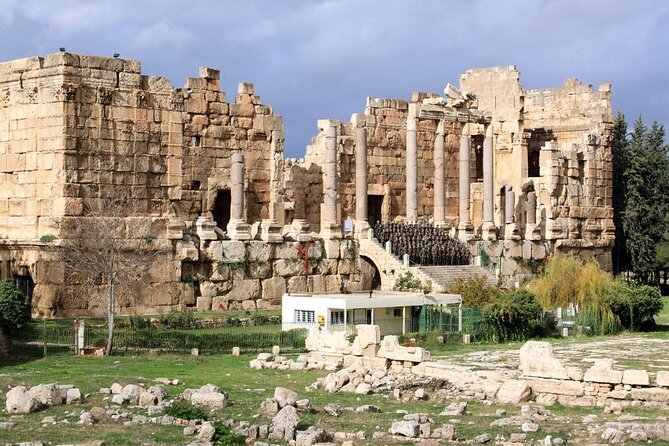
- Baalbek’s Roman scale: See the sanctuary linked to Jupiter, Venus, and Bacchus, with enormous columns and stone blocks that explain why the site is famous.
- The Stone of the Pregnant Woman: Make a short stop beside one of antiquity’s largest quarried monoliths.
- Anjar’s Umayyad plan: Walk among palace walls, a mosque, baths, arcades, and Roman-style architectural details.
- Chateau Ksara’s long wine story: Tour cellars at Lebanon’s oldest winery, founded in 1857, and taste its wines.
- Private transport from Beirut: Ride in an air-conditioned vehicle with hotel pickup, drop-off, a tour leader, and a local guide.
- A full eight-hour day: The schedule works best for people who want major historical sites without arranging transport themselves.
Why this Beirut day trip works
This excursion links three very different sides of Lebanon. Baalbek shows the scale and ambition of Roman imperial building. Anjar shifts the focus to the Umayyad period and to a planned commercial center. Chateau Ksara brings you into present-day Lebanese food and wine culture.
That mix gives the day a useful rhythm. You are not spending eight hours at one archaeological site, and you are not treating the Bekaa Valley as a quick photo stop. The private format also lets your group travel together without sharing the vehicle with strangers.
The itinerary begins at 8:30 a.m. and lasts about eight hours. That is a serious day out, but it is a sensible length for the distance and number of stops. You will want comfortable shoes, water, sun protection, and room in your schedule for a late return.
The most important practical detail is the private driver and guide. Wine tasting and driving do not belong in the same plan, so having transportation arranged is more than a small convenience. You can taste at Ksara without worrying about getting back to Beirut afterward.
More Baalbek and Anjar circuits:
- Guided Small-Group Tour to Baalbek, Anjar and Ksara with Lunch
★ 5.0 · 511 reviews - Anjar, Baalbek & Ksara Day Trip – With Lunch (4G on Board)
★ 4.5 · 181 reviews - Baalbek – Anjar – Ksara Trip From Beirut
★ 4.5 · 80 reviews
Baalbek’s Roman temples and the Heliopolitan Triad
Baalbek is the centerpiece of the excursion. The sanctuary sits at about 1,150 meters at the foot of the Anti-Lebanon range, beside the fertile Bekaa Valley. Its setting matters because the site feels both monumental and open, with the ancient complex tied to the surrounding highland scenery.
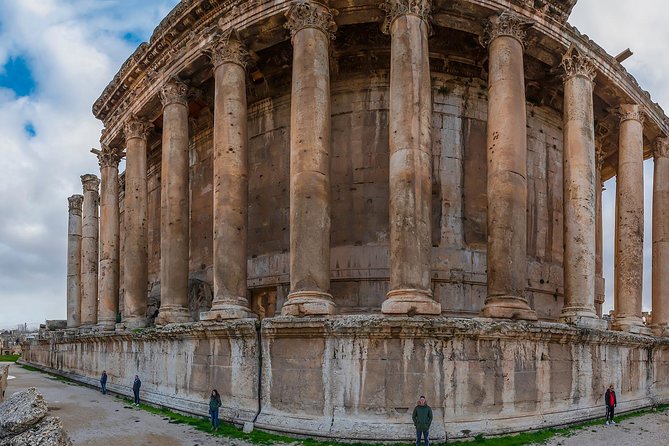
The city reached its greatest importance under Roman rule. Construction continued for more than two centuries, producing one of the Roman world’s great temple sanctuaries. The complex was devoted to a Romanized version of a local Phoenician religious tradition, represented by Jupiter, Venus, and Bacchus.
That blend of cultures is one of the best reasons to take a guide. The stones are impressive on their own, but the story is more interesting when you understand that Roman names and forms were placed over an older Phoenician cult. Ask your guide to explain how the three deities fit into the site and why Baalbek mattered to pilgrims.
You have about an hour at the temples. That is enough for a focused visit, though not enough for a slow archaeological study of every corner. Admission is not included, so keep extra money ready for the entrance fee. Since the tour price lists transportation and guiding separately from admissions, check the current ticket arrangements before departure.
The scale can be hard to judge in photographs. In person, the construction makes the point. Massive columns, broad platforms, and huge worked stones show that Baalbek was built to impress both gods and people. The site is especially worthwhile if you enjoy architecture, ancient religions, or Roman engineering.
A brief stop at the Mosque of Sayeda Khawla
The route also includes the Mosque of Sayeda Khawla in Baalbek. It is built at the site where Sayyida Khawla, the daughter of Imam al-Hussein, is believed to have been buried.
This stop adds a religious and local dimension to a day otherwise centered on ancient ruins. People in Baalbek connect the site with the caravan of captives from Karbala and the death and burial of Khawla there.
The supplied schedule does not give a separate time allowance for the mosque, so think of it as a short visit rather than a full tour. Dress and behavior should be respectful at a religious site. Your local guide can help explain what you are seeing and how the site fits into Baalbek’s religious life.
The Stone of the Pregnant Woman
The Stone of the Pregnant Woman is a quick but memorable stop near Baalbek. It is a worked Roman monolith, and, together with another large block nearby, it ranks among the biggest stones ever quarried.
The name catches attention, but the engineering question is the real point. These immense blocks were apparently intended for the nearby Roman temple complex. Their size shows the ambition of the builders before you even return to the main sanctuary.
You have about 15 minutes here, and admission is free. That short timing makes sense. This is not a second temple complex, but it gives you a direct look at the raw material behind Baalbek’s monumental construction.
I like this stop because it changes the way you read the main site. After seeing the block, the temple foundations feel less abstract. You begin to picture the labor, transport, and planning needed to move stone on such a scale.
More Bekaa wine afternoons:
- Guided Private Full Day Tour to Baalbek, Anjar and Chateau Ksara
★ 5.0 · 60 reviews - Lebanon tour Baalbek ruins & Ksara w/pick-up, lunch,guide+entries
★ 5.0 · 35 reviews - Baalbek Temples & Ksara Caves w/pick-up,guide, entries+lunch
★ 4.9 · 34 reviews - Small Group Tours to Baalbek, Anjar & Chateau Ksara with lunch and Tickets
★ 5.0 · 29 reviews
Anjar’s Umayyad streets and palace ruins
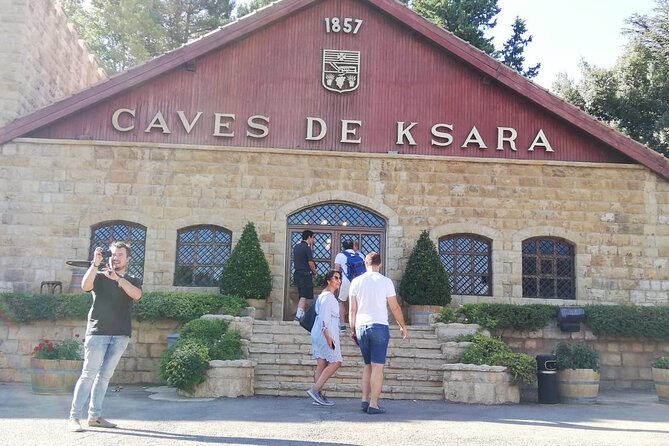
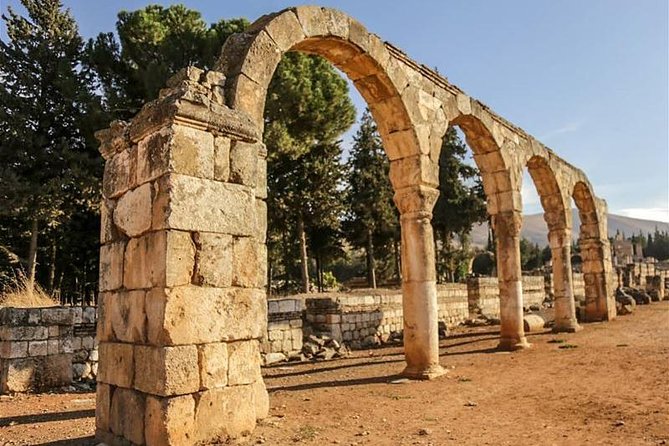
From Baalbek, the excursion continues to Anjar, an Umayyad city that served as an inland commercial center. Its position mattered because it sat near routes connecting Beirut with Damascus and linking the Bekaa Valley with Homs and Tiberias.
The ruins were discovered by archaeologists only at the end of the 1940s. That fact gives Anjar a different character from Baalbek. Baalbek is famous for its towering Roman remains, while Anjar rewards you with a clearer sense of an organized city plan.
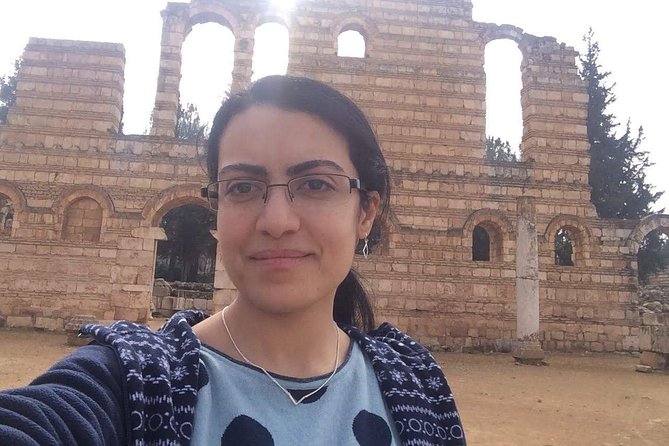
The ruins include the walls of the Umayyad palace, harems, a mosque, the caliph’s great palace, thermal baths, and many pillars. Some of the architectural details show Roman influence, which makes the site a useful bridge between periods rather than a completely separate story.
You have about 45 minutes at Anjar. That is enough to see the main remains and understand the layout, but the visit will feel brisk if you want to linger over every wall or inscription. Admission is not included here either.
I would pay close attention to the city’s function. This was not simply a palace isolated in the countryside. Its location at the meeting point of major routes helps explain the presence of public buildings, religious structures, baths, and commercial activity.
Chateau Ksara and Lebanese wine
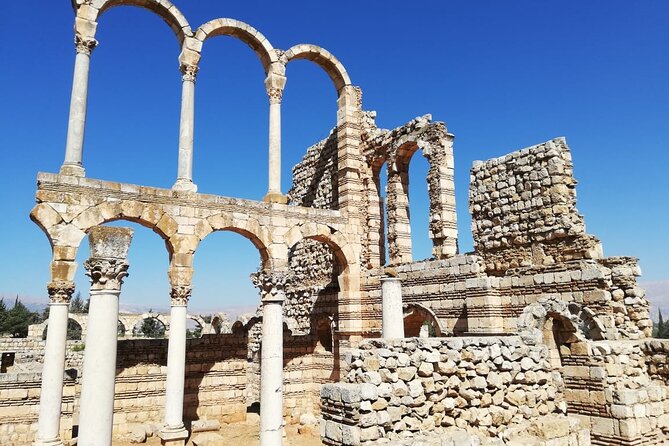
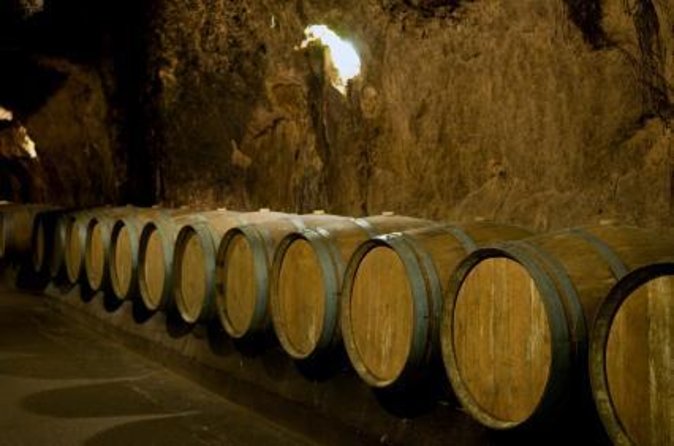
The final major stop is Chateau Ksara, a winery in the Bekaa Valley founded in 1857 by Jesuit priests. It developed Lebanon’s first dry wine and now produces about three million bottles each year, with exports reaching more than 40 countries.
The winery gives the excursion a welcome change of pace. After temples, stones, and ruined walls, you can focus on cellars, winemaking, and tasting. The visit includes a tour and wine sampling, with about an hour set aside for the stop.
Admission is not included, so check exactly what the tasting package covers when you book. The experience is particularly appealing if you want to understand Lebanese wine rather than simply order a glass with lunch. The winery’s long history and international reach give the tasting useful context.
You will not need to drive after drinking. That is one of the clearest advantages of choosing this private excursion instead of building the day around independent car travel. The driver handles the return to Beirut while you enjoy the tasting at a sensible point near the end of the day.
The supplied information does not list the individual wines or the number of samples. Do not assume a large tasting flight. Ask the provider what is being poured and whether the tasting changes by season.
What the private format adds
This is a private activity, so only your group participates. That gives you more control than a large coach tour, even if the schedule still follows a planned route.
You receive hotel pickup and drop-off, comfortable private transportation, an air-conditioned vehicle, a tour leader, and a local guide. Those details matter on a long day. You avoid finding a departure point, changing vehicles, and arranging a safe ride after wine tasting.
The guide’s role is especially useful at Baalbek and Anjar. Both sites are large enough to feel confusing without context, and the Roman, Phoenician, and Umayyad stories overlap in ways that are not always obvious from the ruins alone.
The tradeoff is cost. At $70 per person, the tour can be a strong value if you are sharing the private vehicle with several people. For one or two participants, the price may feel less attractive once you add site admissions and lunch. Ask whether group discounts apply and request the full expected total before paying.
Lunch, admissions, and the real day budget
Lunch is not included. That gives you less certainty but may leave room for your own choice. One account of the day included an excellent lunch, but the tour details do not promise a particular restaurant or meal, so treat lunch as an extra expense rather than a guaranteed feature.
Admission tickets are also excluded at Baalbek, Anjar, and Chateau Ksara. The Stone of the Pregnant Woman is listed as free. Since entrance fees can change, confirm the current amounts with Beirut Daily Tours before setting your budget.
The $70 price covers the parts that are hardest to arrange on your own: private transport, hotel transfers, and guiding across several destinations. It does not cover every cost once you are on the road. I would compare the tour price with the combined cost of a hired car, fuel, parking, guide services, and a safe return from the winery.
The experience has a top rating from six published ratings, and the strongest praise centers on the guides, Baalbek, and the wine tasting. That fits the structure of the day: strong cultural sights early, then an easy, enjoyable finish.
Who should book this excursion
I would choose this trip if you are based in Beirut and want Baalbek without managing a long intercity journey. It suits couples, families, and small groups who value a private vehicle and want the guide’s attention.
It also fits people who want more than ancient ruins. Anjar adds an Islamic-era site, while Chateau Ksara gives you a taste of modern Lebanese production and regional identity.
You may prefer another plan if you want a slow, specialist archaeological visit. Baalbek receives about an hour, Anjar about 45 minutes, and the day covers a large amount of ground. The schedule favors variety over detailed study.
It is also less suitable if you do not drink wine, though you can still enjoy the cellar tour and the historical setting. Since lunch and entrance tickets cost extra, budget for those before deciding.
Confirmation is provided when you book. Most people can participate, and the activity is private. Free cancellation is available if you cancel at least 24 hours before the local start time. Cancellations or changes made less than 24 hours ahead are not accepted for a refund.
Should you book Baalbek, Anjar, and Chateau Ksara?
Book it if you want three distinct experiences in one well-organized day: Roman grandeur at Baalbek, Umayyad ruins at Anjar, and Lebanese wine at Chateau Ksara.
The best reason to choose this tour is not simply the number of stops. It is the combination of private transport and a guide who can connect the sites across different periods of Lebanese history. The main caution is the extra cost for lunch and admissions, plus the brisk timing at the archaeological sites.
For a first visit to Lebanon from Beirut, I find the route highly appealing. Confirm the final group price, ticket costs, lunch plan, and tasting details, then book with realistic expectations: this is a full sightseeing day, not a slow afternoon outing.
FAQ
How long does the excursion last?
The experience lasts approximately eight hours.
What time does the tour start?
The scheduled start time is 8:30 a.m.
Does the tour include hotel pickup and drop-off?
Yes. Hotel pickup and drop-off are included.
Is transportation private?
Yes. The tour uses comfortable private transportation in an air-conditioned vehicle, and only your group participates.
Are entrance tickets included?
No. Admission tickets for Baalbek, Anjar, and Chateau Ksara are not included. The Stone of the Pregnant Woman has free admission.
Is lunch included?
No. Lunch is not included in the tour price.
Does Chateau Ksara include a wine tasting?
Yes. The Chateau Ksara stop includes a cellar tour and wine tasting.
Can I cancel for a full refund?
Yes, if you cancel at least 24 hours before the experience start time. Cancellations or changes made less than 24 hours before the start time are not refunded or accepted.
Just added around Beirut
- Beirut to Sidon, Tyre and Maghdouché: Daily Tours with Lunch★ 5.0 · 3 reviews
- Exploring Beirut’s Past: A Private Guided Historical Tour★ 5.0 · 3 reviews
- Chouf Charm: Private Journey Through Lebanon’s Historic Heartland★ 4.5 · 3 reviews
- Hike Chouwen★ 5.0 · 3 reviews
- Private Trip to Beiteddine, Deir el Qamar & Maaser el Chouf Cedars★ 4.5 · 3 reviews
- Small-Group Tour with Lunch to Baalbek, Anjar and Ksara★ 5.0 · 3 reviews
- Baalbek, Anjar & Wine: A Journey Through Lebanon’s Heritage★ 5.0 · 3 reviews
- Lebanese wineries guided tour with tastings & lunch★ 4.9 · 3 reviews
Baalbek & Anjar Day Trips, compared.
Guided Small-Group Tour to Baalbek, Anjar and Ksara with Lunch
Read our review →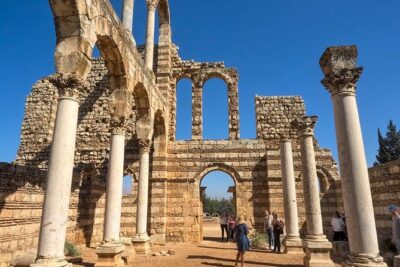
Anjar, Baalbek & Ksara Day Trip – With Lunch (4G on Board)
Read our review →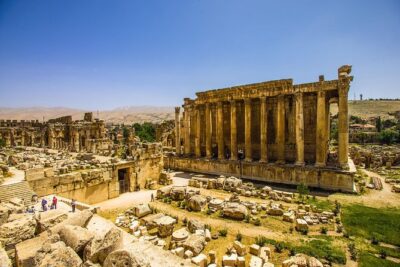
Private Anjar and Baalbek Tour from Beirut with Departure Ticket
Read our review →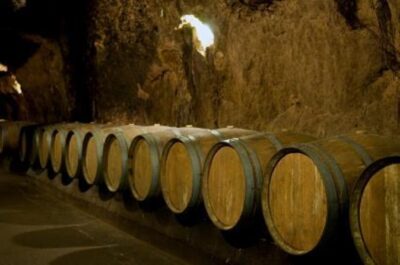
Guided Private Full Day Tour to Baalbek, Anjar and Chateau Ksara
Read our review →
Lebanon tour Baalbek ruins & Ksara w/pick-up, lunch,guide+entries
Read our review →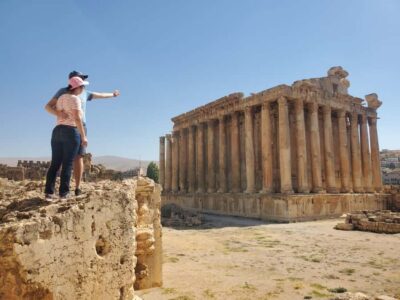
Baalbek Temples & Ksara Caves w/pick-up,guide, entries+lunch
Read our review →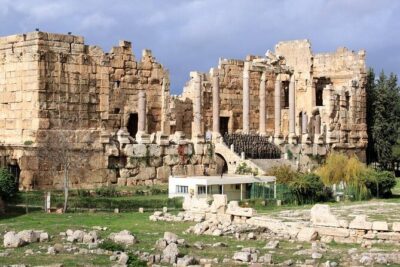
Small Group Tours to Baalbek, Anjar & Chateau Ksara with lunch and Tickets
Read our review →Browse the lists this tour appears in