
Reviewed · BAALBEK & ANJAR DAY TRIPS
Anjar, Baalbek & Ksara Day Trip – With Lunch (4G on Board)
Baalbek is the star here: enormous Roman temples, broken columns, and stone blocks so large that their construction still sparks debate. But this nine-hour Bekaa Valley trip gives you more than one ancient site. You also visit Anjar’s Umayyad ruins and Chateau Ksara’s old wine caves, with lunch in between.
I like the range. Baalbek delivers the drama, while Anjar gives you a quieter look at early Islamic city planning, and Ksara changes the pace with cool cellars and wine tasting. I also like that admission fees, bottled water, WiFi, transport, and a Lebanese meal are included.
The main caution is the schedule. This is a full day on the road, and group size can reach 25, with larger groups reported on some departures. Pickup is included only for hotels within Beirut, so confirm your meeting point carefully.
Key points to know before booking
- Baalbek takes center stage: Spend about two hours among the Temple of Bacchus and Temple of Jupiter, with time for photos and guided explanation.
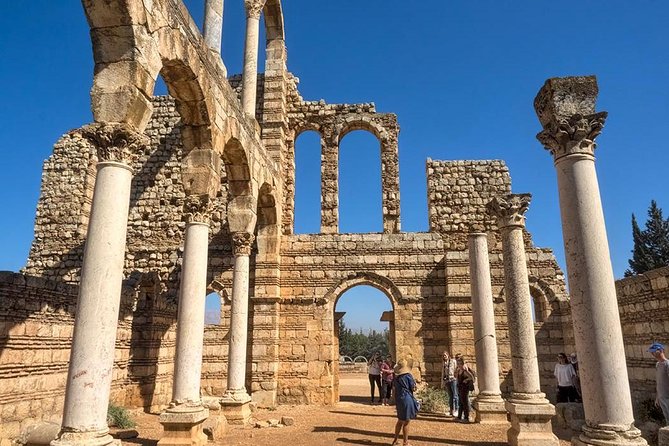
- Anjar is a useful first stop: Its one-hour visit introduces you to an 8th-century Umayyad palace-city filled with arcades, gates, and ruins in Roman and Hellenistic styles.
- Ksara adds a Lebanese wine story: Tour ancient caves now used as cellars and finish with a wine tasting.
- Lunch is substantial: The set menu includes Lebanese mezze, a main dish, fruit or dessert, and one soft drink.
- The guide shapes the day: Past departures have featured guides such as Natasha, Lucy, Fadi, and Waleed, with praise for clear explanations and friendly help.
- Expect a coach day: Air-conditioned transport makes the long route manageable, but traffic or a large group can delay meals and departure times.
Why this day trip works so well
Lebanon packs several major chapters of its past into a small area. On this outing, you move from Roman imperial architecture to an Umayyad city and then to a winery that still uses old underground caves. That mix gives the day a pleasing rhythm.
You leave Beirut at about 8:30 a.m. and travel east by air-conditioned vehicle toward the Bekaa Valley. The drive matters because your guide fills it with background on the places ahead and on Lebanon itself. This is not simply a transfer between monuments. It is part of the sightseeing.
The company provides a professional English and French-speaking guide for the full day. Guide names vary by departure, but Natasha, Lucy, Fadi, and Waleed have all led earlier groups. The strongest part of the guiding seems to be the ability to explain complicated history in an easy, lively way, then keep the group moving.
WiFi is available on board, and bottled water is included. Those are small comforts, but they count during a long day with several stops. I would still carry sun protection and comfortable shoes, since Baalbek involves walking across a large archaeological site and the tour requires a moderate fitness level.
More Baalbek and Anjar circuits:
- Guided Small-Group Tour to Baalbek, Anjar and Ksara with Lunch
★ 5.0 · 511 reviews - Baalbek – Anjar – Ksara Trip From Beirut
★ 4.5 · 80 reviews - Private Anjar and Baalbek Tour from Beirut with Departure Ticket
★ 5.0 · 79 reviews
Anjar: a calm introduction to the Bekaa Valley
Anjar comes first, with about an hour at the Umayyad ruins. That is a smart order. The site is interesting without demanding the same amount of time or energy as Baalbek, so you can get your bearings before the day’s largest monument.
The ruins belonged to an 8th-century palace-city ruled by the Umayyad dynasty. You’ll see remains of gates, arcades, temples, and other structures arranged in a planned urban setting. Much of the architecture uses Hellenistic and Roman forms, which gives Anjar a distinctive blend of classical design and early Islamic rule.
The visit also includes time around Anjar’s souks. The stop is not only about isolated walls and fallen stones. You get a sense of a former city, its routes, and the way public and formal buildings related to one another.
I like Anjar because it is often overshadowed by Baalbek, yet it gives the day historical balance. Baalbek shows imperial Rome at its most monumental. Anjar feels more like a study in urban planning and changing political power.
The drawback is time. One hour is enough for a guided look, but not for a slow, independent examination of every corner. Stay close to the guide and listen during the main explanation, then use any spare minutes for photographs.
Baalbek: two hours among colossal Roman temples
After Anjar, the trip reaches its main attraction. Baalbek was known to the Romans as Heliopolis, the City of the Sun, and its ruins rank among the most striking ancient remains in Lebanon.
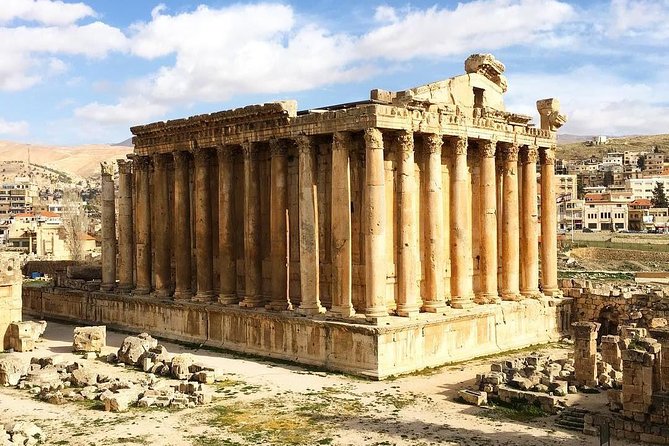
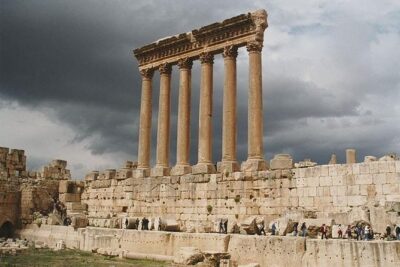
The visit lasts about two hours and focuses on the temples of Jupiter and Bacchus. The Temple of Jupiter is especially dramatic because of its vast podium and the rectangular courtyard once used for sacrifices. Even in a partly ruined state, the scale is difficult to grasp from photographs alone.
The Temple of Bacchus is another major highlight. It is exceptionally impressive in its surviving detail and proportions, and it often becomes the favorite part of the site. You can expect plenty of time to look upward at columns, study carved stonework, and understand how the temples once related to one another.
Your guide will also explain the huge foundation stones. Their size and weight have prompted long-running questions about how they were brought to Baalbek and positioned. The useful point is not just the mystery itself. The stones help you see the project as an engineering feat, not merely a collection of picturesque ruins.
I recommend giving Baalbek your full attention. The site is large, and it is easy to spend too much time taking quick photographs before realizing you have missed the explanation of the courtyard, podium, or temple layout. Wear shoes with good support and bring water, even though a bottle is supplied.
This is also where group size matters most. With a small party, you can hear the guide easily and move between the ruins at a comfortable pace. With a larger party, you may wait for people to regroup or stand farther away during explanations. The stated maximum is 25, though one past departure had 30 to 35 people before the group was split. If you value personal attention, ask about the expected group size before booking.
Lebanese lunch in the middle of the day
Lunch follows the Baalbek visit at a local restaurant. The included set menu features Lebanese mezze, a main course, fruit or dessert, and one soft drink. Mezze makes sense for this kind of day because it lets you sample several small dishes rather than committing to just one plate.
The meal has been described as generous, with plenty of meat, and vegetarian and vegan diners have also been accommodated on earlier departures. Since the exact restaurant and dishes can vary, tell the tour provider about dietary needs when you book rather than waiting until you sit down.
Timing is worth watching. On a smooth departure, lunch offers a welcome break after Baalbek. On a delayed day, the meal can run late. One past group did not eat until around 4 p.m. after traffic and organizational delays. I would carry a small snack, especially if you are used to eating lunch early.
The meal remains good value because it is part of the $95 price rather than an extra expense. You are paying for transport, a full-day guide, site entrances, water, WiFi, and the meal in one package. For a first visit to Lebanon, that makes budgeting easier.
More Bekaa wine afternoons:
- Guided Private Full Day Tour to Baalbek, Anjar and Chateau Ksara
★ 5.0 · 60 reviews - Lebanon tour Baalbek ruins & Ksara w/pick-up, lunch,guide+entries
★ 5.0 · 35 reviews - Baalbek Temples & Ksara Caves w/pick-up,guide, entries+lunch
★ 4.9 · 34 reviews - Small Group Tours to Baalbek, Anjar & Chateau Ksara with lunch and Tickets
★ 5.0 · 29 reviews
Chateau Ksara and the old wine cellars
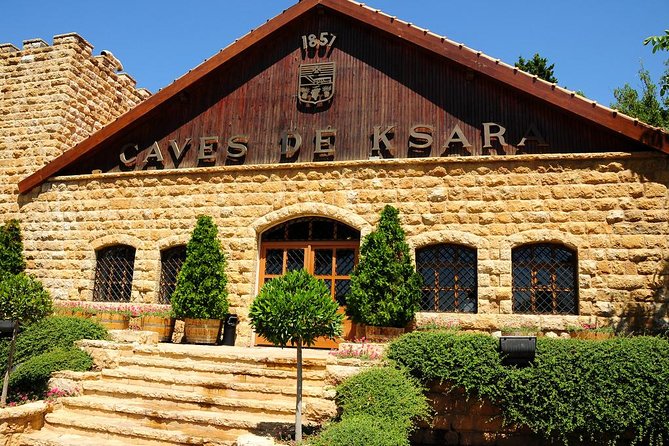
The final stop is Chateau Ksara in Zahle, where the day shifts from archaeology to winemaking. Ksara is Lebanon’s oldest wine estate, and its caves were discovered in 1898. They now serve as underground wine cellars holding thousands of bottles.
The winery visit lasts about an hour. You’ll learn how the wine is made, walk through the cave cellars, and take part in a tasting. After the sun and open stonework at Baalbek, the cool interior provides a welcome change.
Ksara is not a long vineyard excursion, and you should not expect an entire afternoon of wine education. It is a compact introduction that works well at the end of a busy day. The tasting gives you a chance to connect the Bekaa Valley’s agricultural setting with a product made there.
The shop is another practical feature. Past visitors found the prices reasonable, so you may have the option to buy a bottle or other items without treating the stop as a forced sales break. Buying is optional, and the main value is the cellar tour and tasting.
If you do not drink wine, Ksara still offers something worthwhile through the caves and production story. The tasting itself, however, is naturally less important for nondrinkers than it is for wine enthusiasts.
Transport, timing, and group size
The tour runs for approximately nine hours, beginning at 8:30 a.m. and ending back at the Nakhal Tourism and Travel meeting point in Beirut. Hotel pickup and drop-off are included for hotels located within Beirut City.
That qualification is important. Pickup does not include hostels, Airbnb properties, or private apartments. If you are staying outside the listed hotel area, you may need to reach the meeting point yourself. One poor experience came from confusion over the hotel description and a very short window to reach the vehicle, so check the pickup wording closely.
Transport is by air-conditioned coach or vehicle, with some departures using a smaller van to collect people before transferring them to the main coach at the company office. The vehicles have been described as comfortable and new on some outings, and the drivers have generally received strong praise for safe, capable handling.
Still, this is Lebanon, and traffic can affect the day. A delay does not necessarily mean the tour is badly organized, but it can shorten free time or push lunch later. The schedule is best viewed as a well-planned outline rather than a series of exact minute-by-minute promises.
The maximum group size is 25. That is manageable for a full-day group tour, though it will not feel like a private excursion. Smaller departures have made it easier to hear the guide and keep transitions quick. If your priority is low cost and efficient coverage, the group format is sensible. If you want to linger at every carved stone, choose a private option if one is available.
What the $95 price really covers
At $95 per person, this tour is priced as a bundled day rather than a simple ride to Baalbek. You receive return transport from Beirut, a licensed English and French-speaking guide, entrance fees to every listed site, lunch, bottled water, and onboard WiFi.
That bundle has real value. Baalbek and Anjar admission fees are already handled, and you do not have to arrange separate transport across the Bekaa Valley. The guide also gives the ruins context that you would miss by arriving independently without preparation.
Lunch is not a luxury restaurant experience, but it is a proper included meal with mezze, a main dish, fruit or dessert, and a soft drink. Ksara includes the winery visit and tasting, which adds another paid activity without requiring you to organize it separately.
I would compare this price with the effort of arranging three stops yourself. The tour saves you from coordinating drivers, opening times, admission tickets, and the route back to Beirut. Its tradeoff is less freedom and the possibility of delays when the group is large.
The tour is booked, on average, about five days ahead. That suggests planning before your Beirut stay is underway, especially if your schedule is short. The experience is non-refundable and cannot normally be changed after booking. If poor weather cancels the outing, you are offered another date or a full refund. The same applies if the minimum number of participants is not reached.
Who will get the most from this outing
I would choose this trip if you have one free day in Beirut and want to see the Bekaa Valley without building a complicated plan. It suits first-time visitors who want ancient monuments, local food, and a taste of Lebanese wine in one organized day.
History fans will get the most from Baalbek and Anjar. Food-focused visitors will appreciate the mezze lunch, while wine drinkers will enjoy the Ksara stop. The tour also works for people who prefer a guide to explain the political and religious changes behind the ruins instead of reading brief signs on their own.
You should think twice if you dislike coach travel, fixed schedules, or group movement. Nine hours is a long outing, and the route can be tiring when traffic adds delays. The sites themselves require walking, and Baalbek is not a quick roadside photo stop.
I would also avoid booking it at the last moment if your hotel arrangement is unusual. Confirm that your accommodation qualifies for pickup, or plan to meet the group at Nakhal Tourism and Travel in Beirut.
Should you book Anjar, Baalbek, and Ksara?
Yes, if your goal is to cover three of Lebanon’s most useful cultural stops in one day. Baalbek alone justifies the trip, but Anjar adds an important Umayyad chapter, and Ksara gives you food and wine after hours among ancient stone.
The tour is especially good value for a short Beirut stay because admission, lunch, guiding, and transport are all included. Book it knowing that the day may feel packed, group size can vary, and traffic can shift the schedule. If those limits suit you, this is a practical and rewarding way to reach the Bekaa Valley.
FAQ
How long does the tour last?
The tour lasts approximately nine hours. It starts at 8:30 a.m. and ends back at the meeting point in Beirut.
Where does the tour start and finish?
The listed meeting point is Nakhal Tourism and Travel in Beirut, Lebanon. The activity ends back at the same meeting point.
Is hotel pickup included?
Pickup and drop-off are included for guests staying in hotels located within Beirut City. Pickup does not include hostels, Airbnb properties, or private apartments.
What sites are included?
The tour includes the Umayyad ruins of Anjar, the temples of Baalbek including the Temple of Bacchus and Temple of Jupiter, and Chateau Ksara winery in Zahle.
Is lunch included?
Yes. Lunch includes Lebanese mezze, a main dish, fruit or dessert, and one soft drink.
Is wine tasting included?
Yes. The Chateau Ksara visit includes a winery tour, a look at the cave cellars, and wine tasting.
What language does the guide speak?
The professional licensed guide speaks English and French.
How large is the group?
The stated maximum is 25 participants. Group size can vary by departure, and some past departures have involved larger groups before being split.
More 1-Day Tours in Beirut
- Small-Group Adventure Tour to Sidon Tyre & Maghdouche-Day Trip
★ 5.0 · 45 reviews - Private Tour: Anjar, Baalbek and Ksara Day Trip from Beirut
★ 5.0 · 20 reviews - Beirut, Beiteddine & DeirElQamar Day Trip-With Lunch(4G on Board)
★ 4.5 · 12 reviews - DeirElkamar, Beitdeen, Moussa Palace, EinwZien Grotto,Full-Day Trip PRIVATE-CAR
★ 5.0 · 5 reviews
More Lunch Experiences in Beirut
- Guided Small-Group Tour to Jeita, Harissa, Byblos with Lunch
★ 5.0 · 361 reviews - Byblos, Jeita Grotto & Harissa Day Trip -With Lunch (4G on Board)
★ 4.5 · 145 reviews - Semi-Private Tour to Jeita Grotto, Harissa & Byblos with Lunch
★ 5.0 · 52 reviews - Sidon, Tyre & Maghdouche Day Trip – With Lunch (4G on Board)
★ 4.5 · 44 reviews
Just added around Beirut
- Beirut to Sidon, Tyre and Maghdouché: Daily Tours with Lunch★ 5.0 · 3 reviews
- Exploring Beirut’s Past: A Private Guided Historical Tour★ 5.0 · 3 reviews
- Chouf Charm: Private Journey Through Lebanon’s Historic Heartland★ 4.5 · 3 reviews
- Hike Chouwen★ 5.0 · 3 reviews
- Private Trip to Beiteddine, Deir el Qamar & Maaser el Chouf Cedars★ 4.5 · 3 reviews
- Small-Group Tour with Lunch to Baalbek, Anjar and Ksara★ 5.0 · 3 reviews
- Lebanese wineries guided tour with tastings & lunch★ 4.9 · 3 reviews
- Baalbek, Anjar & Wine: A Journey Through Lebanon’s Heritage★ 5.0 · 3 reviews
Baalbek & Anjar Day Trips, compared.
Guided Small-Group Tour to Baalbek, Anjar and Ksara with Lunch
Read our review →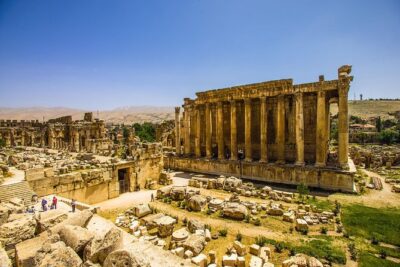
Private Anjar and Baalbek Tour from Beirut with Departure Ticket
Read our review →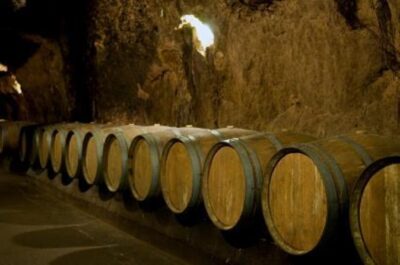
Guided Private Full Day Tour to Baalbek, Anjar and Chateau Ksara
Read our review →
Lebanon tour Baalbek ruins & Ksara w/pick-up, lunch,guide+entries
Read our review →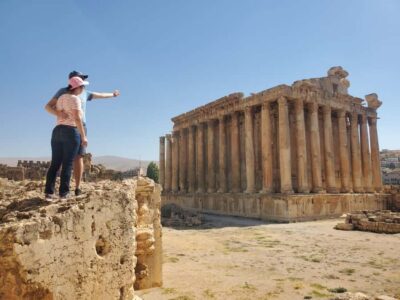
Baalbek Temples & Ksara Caves w/pick-up,guide, entries+lunch
Read our review →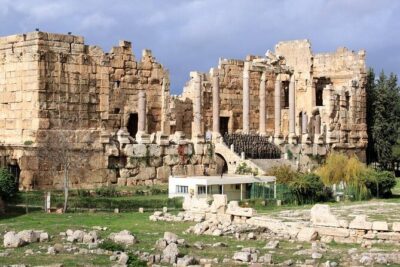
Small Group Tours to Baalbek, Anjar & Chateau Ksara with lunch and Tickets
Read our review →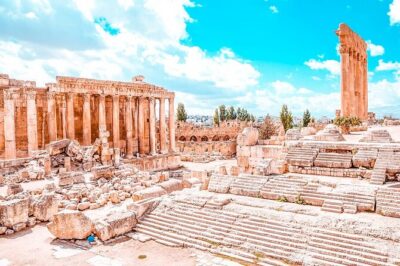
Private Tour: Anjar, Baalbek and Ksara Day Trip from Beirut
Read our review →Browse the lists this tour appears in