
Reviewed · SIDON & TYRE DAY TRIPS
Small-Group Adventure Tour to Sidon Tyre & Maghdouche-Day Trip
Sidon’s old souks are the heart of this day. You move from a Crusader castle by the sea into vaulted market lanes, a working soap museum, and an old khan before continuing south to Maghdoucheh and Tyre. I like the way this trip joins coastal life with major ancient sites, and I like having hotel pickup in Beirut rather than sorting out several long-distance rides yourself.
I also like the small vehicle, bottled water, and the chance to see three very different places in about nine hours. Guides named Harake and Rabie receive especially warm praise for kindness, local conversation, and care with the day. The main caution is important: this can feel more like transport with site introductions than a fully guided historical tour, and entrance fees and lunch need careful checking.
Key points to know before booking
- Sidon’s souks are the day’s most atmospheric stop: Expect vaulted lanes, small workshops, coffee houses, fish sellers, and Ottoman-era buildings.
- Tyre supplies the biggest ancient sites: The Roman hippodrome and Al-Bass archaeological area need time and, ideally, extra explanation.
- The group is capped at 15 people: In practice, some departures may be much smaller, even a private run in low season.
- Hotel pickup and an air-conditioned vehicle save effort: This matters on a long southbound day from Beirut.
- Guiding quality may vary: Harake and Rabie are praised by name, but some people received little explanation at Sidon Castle and Tyre.
- Clarify the cost before you go: Lunch is not included, and the supplied details conflict about whether entrance fees are covered.
Why this southern coast day trip works
This is a strong way to cover a lot of southern Lebanon in one day. Sidon gives you a living old town, Maghdoucheh adds a religious site on the hills above the coast, and Tyre finishes with some of Lebanon’s most important Roman remains.
I like the contrast. You are not simply moving from one ruin to another. In Sidon, you walk through places that still serve their old purpose: markets, workshops, coffee houses, and a port. In Tyre, the focus shifts to open archaeological grounds, broad stone roads, columns, arches, and the setting beside the sea.
The tour costs $65 per person, which is a fair price if your departure includes a helpful guide, hotel transport, water, and the listed stops. The value drops if you mainly receive a ride and are left to interpret the ruins alone. Before booking, ask what exactly is included in the price for entrance fees and whether a guide will walk through the archaeological sites with you.
The day lasts about nine hours. Pickup is listed around 8:15 to 8:30 in the morning, with return to your Beirut hotel later in the day. A maximum of 15 people keeps the group manageable, but low-season departures may have only one booking. That can give you flexibility, though it also explains why a shared tour may suddenly feel like a private transfer.
More trips down to Sidon and Tyre:
- Sidon, Tyre & Maghdouche Day Trip – With Lunch (4G on Board)
★ 4.5 · 44 reviews - Guided Small-Group Tour to Sidon, Tyre & Maghdouche with Lunch
★ 5.0 · 41 reviews - Sidon – Tyre – Maghdouche Trip, From Beirut
★ 5.0 · 25 reviews
Sidon Sea Castle starts the morning
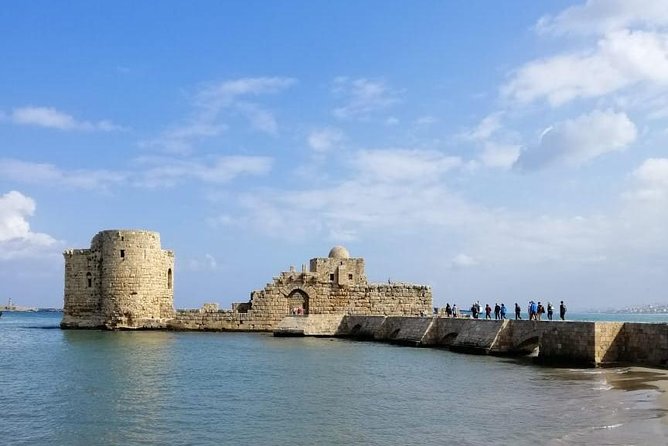
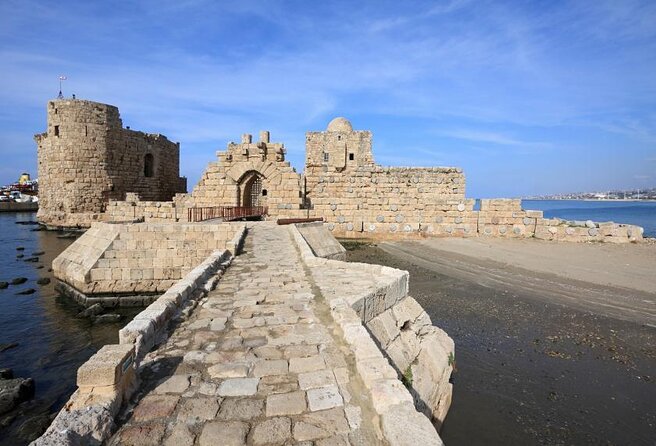
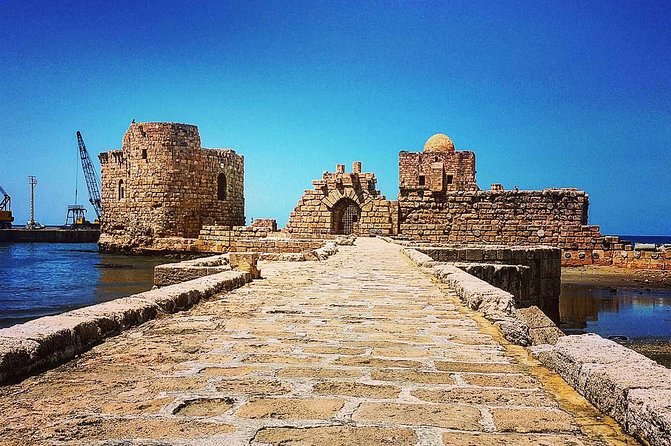
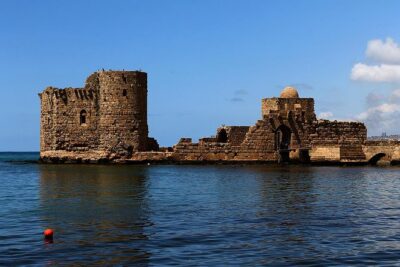
The first stop is the Crusaders Sea Castle, set beside Sidon’s harbor. Its position gives you an immediate sense of Sidon as a port city, with the old fort looking out over the water and the modern waterfront moving around it.
You have about 45 minutes here. That is enough for photographs and a compact visit, but not a slow study of every corner. The important practical point is that the stated details identify admission here as not included, despite a separate claim that entrance fees are included. Confirm this before departure so you are not caught short at the first stop.
The castle is best understood as an opening scene rather than the entire Sidon experience. I would not rush away after taking the obvious seaside photograph. Look toward the harbor, notice how close the old town is, and use the guide’s explanation to connect the fortress with Sidon’s long role as a coastal center.
This is also one of the places where guiding matters. Some departures have included only a short introduction before people explored on their own. If you want dates, names, and the story behind the walls, ask directly for a site explanation.
Sidon Souks bring the town to life
The souks are where this experience becomes most personal. Between the Sea Castle and the old Land Castle area, covered alleys run through preserved buildings and active shops. The lanes are not a polished museum set. Craftspeople still work, repairs are still visible, and the market remains part of daily life.
You have about an hour here, which is useful because the souks reward a slower pace. You might find small craft shops, food stalls, traditional coffee houses, and fishermen selling their catch near the port. The vaulted passages can feel confusing, so stay aware of the meeting point and time.
The old market includes the el-Shakiriyya area and Debbaneh Palace, an Ottoman Arab building dating to 1721. A narrow, roofed stairway leads into its inner yard. Details like this are easy to miss if you only follow the main shopping lane, so ask your guide to point them out.
I especially like this stop for people who want more than monuments. The smells, shopfronts, stone vaults, and ordinary work give you a better feel for Sidon than a quick drive past the center. It is also a good place to buy something small, though the tour information does not specify shopping time beyond the scheduled visit.
The Soap Museum explains an old craft
The Soap Museum occupies a former soap factory, with sections believed to date as far back as the 13th century and a main building from the 17th century. Inside, you learn how olive oil soap was made and see a demonstration of traditional methods.
The visit lasts about 30 minutes. That is short, but the museum is focused. You also see objects found during excavation, including pottery fragments and clay pipe heads dated from the 17th to 19th centuries. The museum connects local manufacturing with hammam, or bathhouse, customs.
Admission is listed as not included here, so again, check the final price. The museum is a good stop for a hot day because it offers a change from walking outdoors. I would pay attention to the process rather than treat it as a quick souvenir shop. It gives context to the olive oil culture that remains important across the region.
A few more Beirut days worth weighing up
- Anjar, Baalbek & Ksara Day Trip – With Lunch (4G on Board)
★ 4.5 · 181 reviews - Byblos, Jeita Grotto & Harissa Day Trip -With Lunch (4G on Board)
★ 4.5 · 145 reviews - Private Tour: Anjar, Baalbek and Ksara Day Trip from Beirut
★ 5.0 · 20 reviews - Beirut, Beiteddine & DeirElQamar Day Trip-With Lunch(4G on Board)
★ 4.5 · 12 reviews
The Great Mosque and Khan El Franj add Ottoman-era texture
The Great al-Omari Mosque takes only about 15 minutes. It was formerly the Church of St. John of the Hospitalers, and its rectangular Crusader-era walls still have a fortress-like feel. From the seaside, the structure makes a particularly strong impression.
The short visit means you should not expect a full architectural lecture. Think of it as a compact stop within the old town, useful for understanding how buildings in Sidon have changed religious and civic roles over time.
Nearby, Khan El Franj offers another glimpse of the city’s commercial past. Built as one of the merchant khans associated with Fakhredine II, it has a large rectangular courtyard, a fountain, and covered galleries. It also housed the French consulate and served as a center of trade in the 19th century.
The khan is included in the route description but does not have a separate duration. That makes it worth asking whether you will enter and walk through the courtyard or simply see it from outside. A brief stop can still be worthwhile, but expectations matter.
Maghdoucheh brings a quieter change of pace
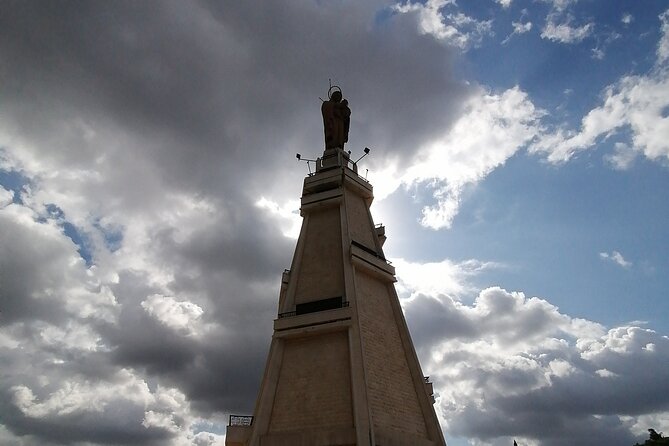
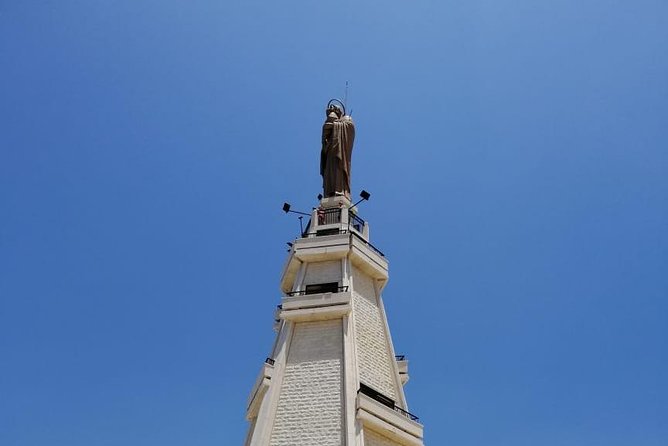
After Sidon, the route heads inland to Maghdoucheh and Our Lady of Mantara, also called Our Lady of Awaiting. This Melkite Greek Catholic shrine includes a tower topped by a statue of the Virgin and Child, a cathedral, a cemetery, and a sacred cave.
The cave is believed to be where Mary rested while waiting for Jesus. The site is associated with a discovery in 1721, and the visit takes about 30 minutes. Compared with the markets and archaeological grounds, this is a calmer stop with a different kind of meaning.
Dress and behavior should be respectful at a religious site. The provided information does not set a dress code, but modest clothing is the sensible choice. If you have limited walking ability, ask about the closest drop-off point. One driver received praise for parking close to important sights to help a person with a leg condition, but this should be arranged rather than assumed.
Tyre gives you harbor views before the ruins
Tyre was founded around 2750 BC according to Herodotus and is linked in the tour description with Europa and Dido, the founder of Carthage. The route includes the old north harbor, colorful streets, and views of the beach from two sides of the city.
You have about 45 minutes for this part. It is a useful introduction before the archaeological sites because Tyre is not only a collection of stones. Its harbor, streets, and coastline help you picture the city as a major maritime center.
This stop may feel brief if you want time for a long walk or photographs by the water. Still, the sea is one of Tyre’s great pleasures. Make space to pause and look beyond the ruins. One particularly memorable suggestion is to sit quietly near the later archaeological area and take in the water and the calm.
The Roman Hippodrome needs a guide
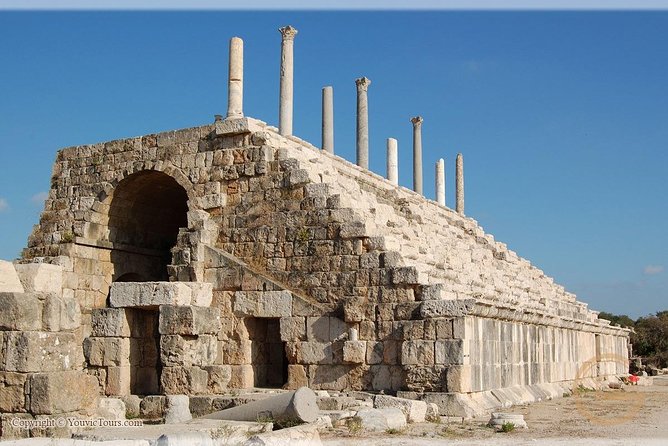
The Roman Hippodrome is one of the day’s biggest historical sights. Dating to the second century CE, it measures roughly 480 meters long and 90 meters wide. Its horseshoe shape once held about 20,000 spectators watching chariot races.
You have about 45 minutes. That gives you time to walk through the site and grasp its scale, but the remains make much more sense with a proper explanation. Without context, you may see a long stone structure without understanding how the seating, track, and spectacle fitted together.
Admission is listed as not included. The route description also says entrance fees are included elsewhere, so ask the operator for a clear answer before paying. If you are especially interested in Roman sites, consider arranging a local archaeological guide or confirming that your group leader will enter and explain the complex with you.
This is the stop where the difference between a tour and a transfer becomes most obvious. Some guides, including Harake, are praised for giving basic historical context and answering questions. Other departures have provided little or no explanation inside Tyre. I would not book this experience expecting a specialist lecture unless that is confirmed in advance.
Al-Bass completes the ancient picture
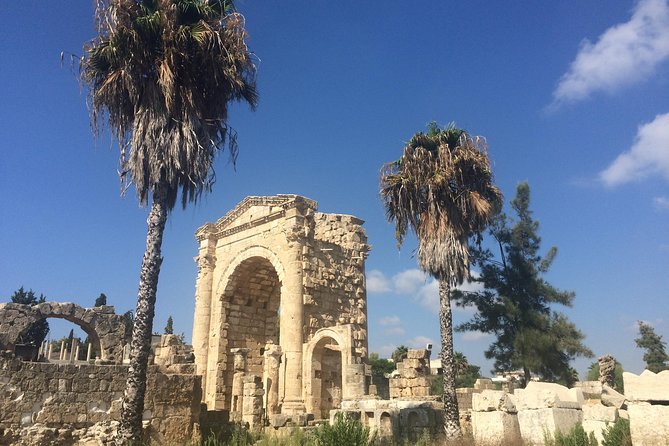
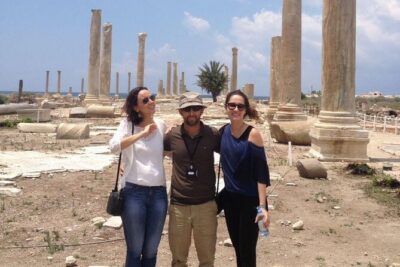
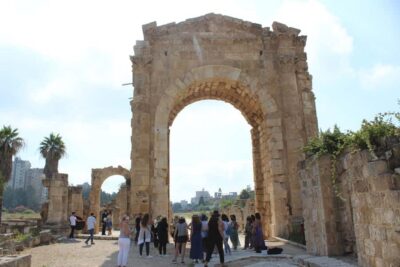
The Al-Bass Archaeological Site contains a Byzantine road, a second-century triumphal arch, a Roman road, an aqueduct, and the remains of a huge ancient complex. You have another 45 minutes here.
The site spreads out, so comfortable shoes are useful. The open setting can be striking, but it also means you need to keep an eye on the clock and listen for instructions about where to meet the vehicle. Admission is again marked as not included.
I like the way Al-Bass follows the hippodrome. Together, the two stops show Tyre at a much larger scale than the harbor visit alone. You see transport routes, public architecture, and the engineering that supported a major ancient city.
The drawback is the limited interpretation. If your group leader gives only a brief introduction, the arch, aqueduct, and roads can blur together. Read a little about Tyre before you go, or prepare a few questions. That small effort can greatly improve the experience.
Transport, meals, and the guide question
Hotel pickup and drop-off are practical advantages. You avoid arranging a southbound bus, changing vehicles, and finding each site on your own. The air-conditioned vehicle is also welcome on a long day, and bottled water is included.
Several departures have featured Harake, who is praised for punctuality, local information, coffee, water, bread, sweets for children, and a friendly manner. Rabie is also praised for being professional, attentive, and willing to adjust the day to individual needs. These personal touches can make a long road day feel easy.
Still, the operator appears to use different drivers and guides. One poor experience involved fast driving, phone calls while driving, and a lack of explanation. Safe driving is non-negotiable, so speak up at once if you feel uncomfortable and report serious concerns to the company.
Lunch is not included. Some descriptions and comments refer to a meal or dinner, but the formal inclusions exclude lunch. Budget for your own meal and clarify the plan before setting out. Water is included, and some drivers have offered extra refreshments, but those extras should be viewed as kind gestures, not guaranteed features.
Who should book this tour
I would recommend this trip to you if you have limited time in Beirut and want to see Sidon and Tyre without managing the transport yourself. It suits first-time visitors who value variety: markets, religious buildings, a working craft museum, harbors, and Roman ruins all fit into one day.
It is also a good choice for people who prefer a small vehicle to a large coach. The group limit is 15, and some days are much smaller. Families may appreciate the straightforward transfers and the reported snacks for children, while anyone with mobility concerns should request closer parking in advance.
I would choose another option if your main goal is detailed archaeology. The route is ambitious, and the scheduled time at each site is fixed. You may see the major places, but you may not receive the sustained explanation you want. A private guide focused on Tyre, or a tour that clearly promises on-site guiding, would be a better fit.
At $65, the tour is good value when transport, hotel service, water, and useful guiding all come together. It is less compelling if you must pay several entrance fees separately and receive little information at the most important ruins.
Should you book the Sidon, Tyre, and Maghdoucheh day trip?
Book it if you want an efficient south Lebanon sampler with strong scenery and a lively Sidon visit. Ask for Harake or Rabie if available, confirm the pickup time, and get a written answer about entrance fees and meals.
Do not book it blindly if you expect a full archaeological tour. The best version of this day includes a warm, informative driver-guide who walks you through the key sites. The weaker version is mainly a comfortable ride between places you explore alone. That distinction is the deciding factor.
Free cancellation is available if you cancel at least 24 hours before the start time. Changes or cancellations inside that window are not accepted for a refund.
FAQ
What is included in the $65 price?
The stated inclusions are hotel pickup and drop-off, an English-speaking local group leader, brief explanations at each site, bottled water, and an air-conditioned vehicle. Lunch is not included.
Are entrance fees included?
The information is inconsistent. The highlights say entrance fees are included, but several itinerary stops mark admission as not included, including the Sea Castle, Soap Museum, Roman Hippodrome, and Al-Bass site. Confirm this with Lebanon Local Tour before booking.
What time does the tour start?
Pickup is described at about 8:15 am, while the meeting information gives an 8:30 am start. Confirm your exact hotel pickup time with the operator.
How large is the group?
The maximum group size is 15 people. In low season, a departure may have only one booking and operate as a private tour instead.
Is lunch provided?
No. Lunch is listed among the exclusions, so you should plan to pay for your own meal. Some comments refer to meals, but they do not change the formal inclusion information.
Can I cancel for a full refund?
Yes. You can cancel at least 24 hours before the experience start time for a full refund. Cancellations or changes made less than 24 hours before the start time are not accepted for a refund.
Just added around Beirut
- Beirut to Sidon, Tyre and Maghdouché: Daily Tours with Lunch★ 5.0 · 3 reviews
- Chouf Charm: Private Journey Through Lebanon’s Historic Heartland★ 4.5 · 3 reviews
- Exploring Beirut’s Past: A Private Guided Historical Tour★ 5.0 · 3 reviews
- Hike Chouwen★ 5.0 · 3 reviews
- Private Trip to Beiteddine, Deir el Qamar & Maaser el Chouf Cedars★ 4.5 · 3 reviews
- Small-Group Tour with Lunch to Baalbek, Anjar and Ksara★ 5.0 · 3 reviews
- Lebanese wineries guided tour with tastings & lunch★ 4.9 · 3 reviews
- Baalbek, Anjar & Wine: A Journey Through Lebanon’s Heritage★ 5.0 · 3 reviews
Sidon & Tyre Day Trips, compared.
Sidon, Tyre & Maghdouche Day Trip – With Lunch (4G on Board)
Read our review →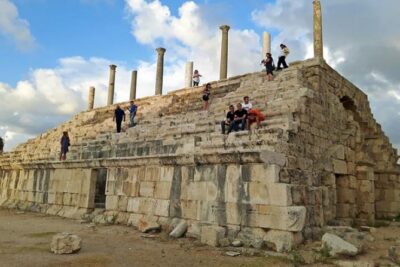
Guided Small-Group Tour to Sidon, Tyre & Maghdouche with Lunch
Read our review →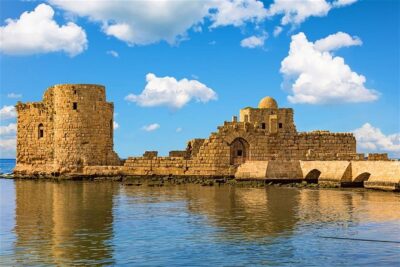
Private Guided Tour to Sidon, Tyre and Maghdouche from Beirut
Read our review →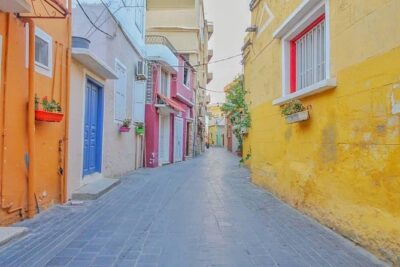
Lebanon tour Sidon & Tyre ruins with pick-up, guide,lunch+entries
Read our review →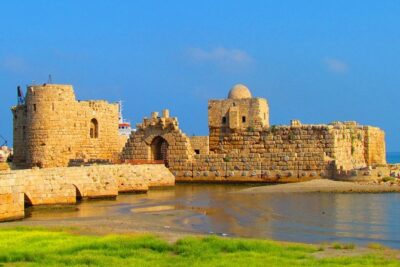
Lebanon Unveiled: Exclusive Private Tours to Sidon & Tyre
Read our review →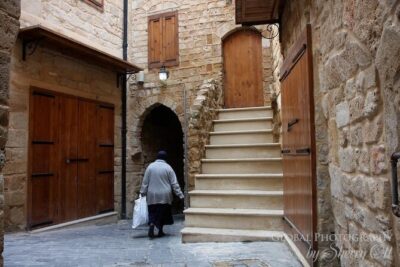
Sidon & Tyre Unesco Heritage w/pick-up, guide, entries+lunch
Read our review →Browse the lists this tour appears in