
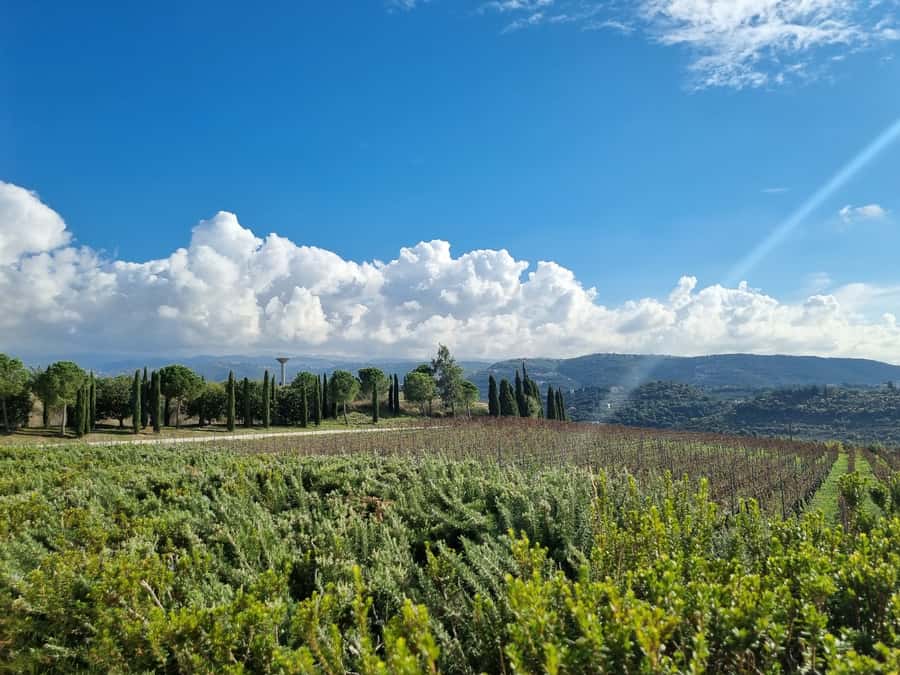
Reviewed · LUNCH EXPERIENCES
Lebanese wineries guided tour with tastings & lunch
Lebanon’s Bekaa Valley is the place to connect the country’s ancient wine tradition with its modern bottles. This full-day tour takes you from Beirut into the valley for guided winery visits, tastings, a Lebanese lunch, and samples of local craft beer and arak, the clear grape spirit often called white milk.
I like the private group format, which gives you a driver and guide rather than a large bus crowd. I also like the range of drinks: you are not limited to wine, since the day can include Lebanese beer and arak too. The main consideration is that the published stop list varies, so confirm the exact wineries and lunch location before booking.
Key points at a glance
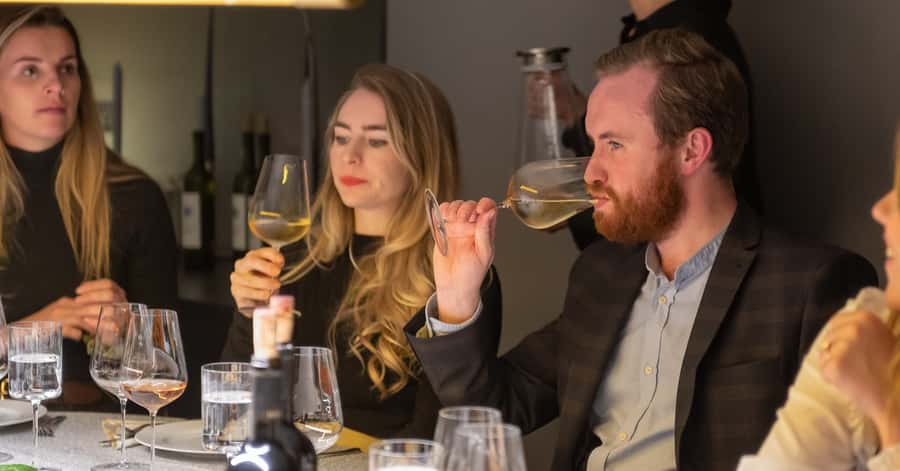
- Bekaa Valley wine country: Leave Beirut for Lebanon’s main wine-producing area and learn how Phoenician viticulture helped spread wine around the Mediterranean.
- Several guided tastings: The day includes winery tours and tastings, with Lebanese red, white, and rosé wines on the table.
- Private transport from Beirut: Hotel pickup and drop-off are included, a useful benefit for a long day outside the capital.
- More than wine: The experience can include craft beer and arak, giving you a broader taste of Lebanese drink culture.
- Traditional lunch included: A Lebanese meal breaks up the tasting schedule and adds a local food element.
- Check the final route: The details name Kefraya, Rayak, and St. Thomas, while other descriptions mention Ksara, Phoenix, Ixsir, and Colonel Brewery.
From Beirut to the Bekaa Valley
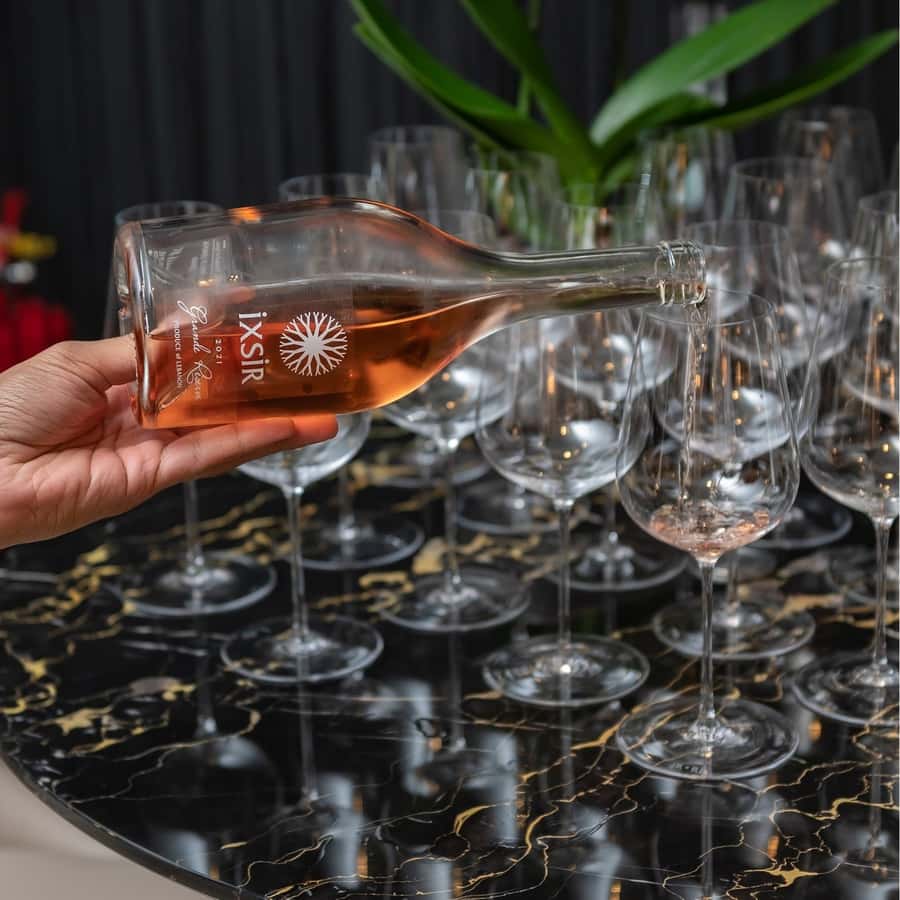
The tour begins with pickup at your Beirut hotel and returns you there later the same day. That matters because the Bekaa Valley is not a practical place to explore by rental car after several tastings. You can leave the driving to the guide and pay attention to the scenery, village life, and changing terrain along the way.
The driver also acts as your local escort. On the road, you can expect commentary about Beirut and sights along the route, rather than a silent transfer from one winery to the next. One particularly positive account described the driver as an excellent guide who pointed out things in Beirut and along the journey.
This is a long day, but the schedule has a sensible rhythm. The winery visits last about one to one and a half hours each, with lunch placed between tastings. You should still expect a full day on the road, not a quick wine stop close to Beirut.
The private setup is useful for couples, families, or small groups with shared interests. You do not have to match the pace of strangers, and you can ask questions during the drive. The listed guide language is English.
A few more Beirut days worth weighing up
- Guided Small-Group Tour to Baalbek, Anjar and Ksara with Lunch
★ 5.0 · 511 reviews - Guided Small-Group Tour to Jeita, Harissa, Byblos with Lunch
★ 5.0 · 361 reviews - Anjar, Baalbek & Ksara Day Trip – With Lunch (4G on Board)
★ 4.5 · 181 reviews
Why Lebanese wine matters
Lebanon is among the oldest wine-producing areas in the world. The Phoenicians lived along the country’s coast and helped carry grape growing and wine-making practices across the Mediterranean in ancient times.
That old story is not just decoration for the tasting room. It gives you a useful frame for understanding the modern industry. Lebanon has continued producing wine despite repeated conflicts, and annual production is estimated at about 600,000 cases. The number of wineries has also grown from five in 1998 to more than 30 today.
The Bekaa Valley is central to that growth. The tour introduces you to larger and better-known producers, giving you a look at both the commercial side of Lebanese wine and the people who keep family and regional traditions alive.
I would not expect a formal wine course. This is more accessible than technical. You will learn about generations of winemakers, see where the wine is made, and taste different styles without needing to know grape varieties or cellar terms in advance.
Château Kefraya and the first tasting
The published schedule places Château Kefraya first, with about an hour and a half for the guided visit and tasting. That extra time makes it the longest winery stop of the day, so it should provide a substantial introduction to the valley’s wine production.
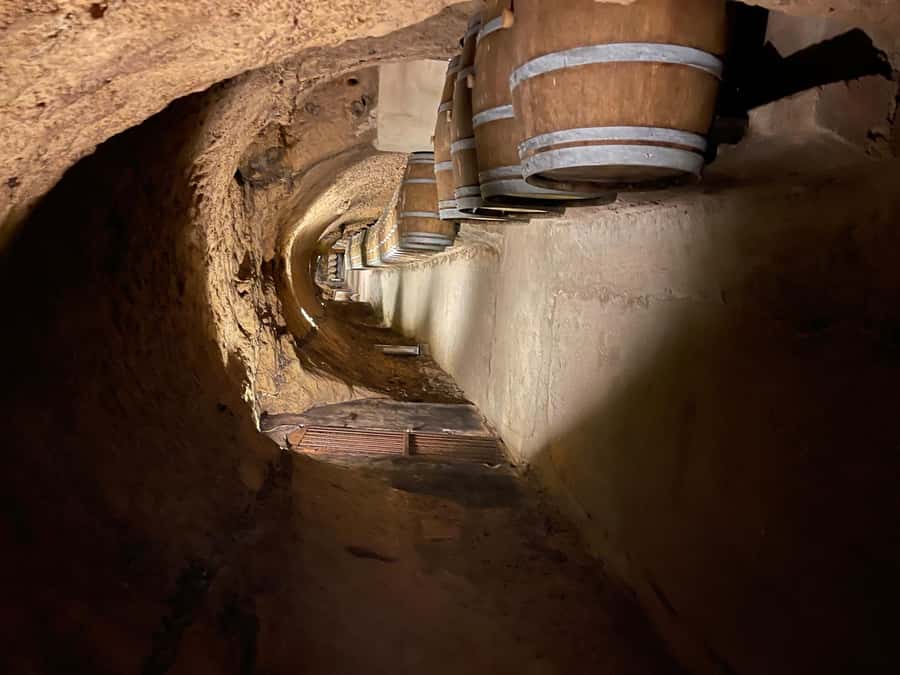
At a large winery, the useful part is seeing how grapes move from vineyard to bottle. You can expect a tour through production areas, caves, or cellar spaces, followed by a tasting of Lebanese wines. The experience is not only about sipping. It is about seeing the scale of the operation and learning how a modern Lebanese producer presents its wines.
Kefraya is in West Bekaa, and the setting gives the tour a direct connection to the vineyards that supply the winery. If you care about how wine relates to place, pay attention to the guide’s explanation of the valley, the vineyards, and the cellar work.
The size of the winery can be a plus or a drawback. You get a broader view of the industry, but the visit may feel less personal than a small family producer. I would use this stop to ask practical questions about local wine styles, aging, and which bottles are easiest to find outside Lebanon.
Rayak, and the importance of checking the route
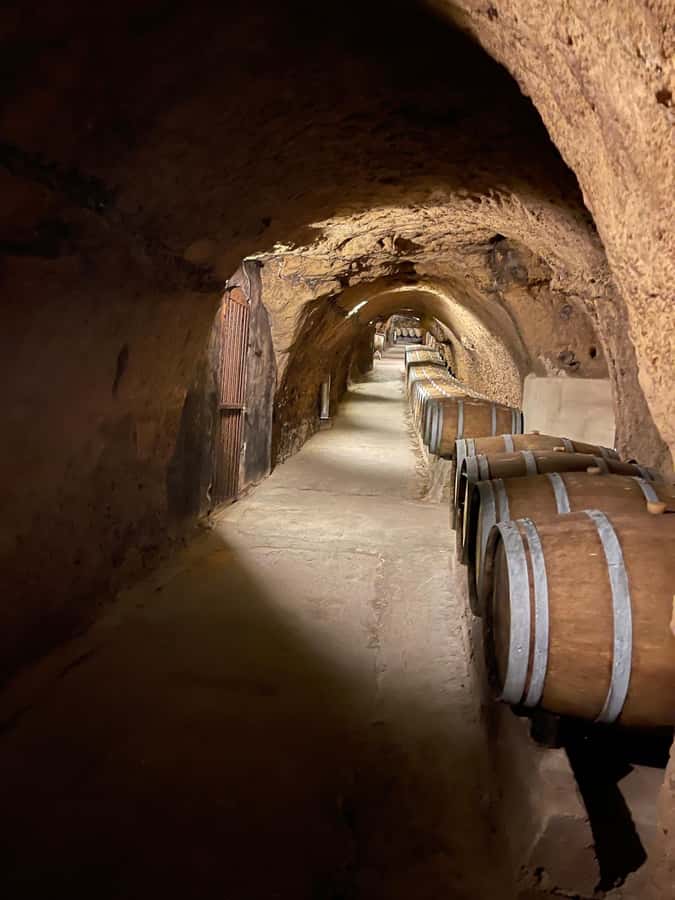
The schedule also names Château Rayak for a one-hour guided visit and tasting. This stop appears to add another perspective on Bekaa Valley wine, with enough time for an introduction to the winery and a focused tasting rather than a rushed glass on the way through.
There is an important planning point here. The tour information uses more than one set of winery names. One description refers to Château Ksara Caves and Château Kefraya, while the detailed day plan lists Château Kefraya, Château Rayak, and Château St. Thomas. Another account of the day describes visits to a small Phoenix winery and the much larger Ixsir winery, along with Colonel Brewery.
That is not a minor wording issue if you are booking for a particular cellar. If you have your heart set on Ksara’s caves, Ixsir, Phoenix, or Colonel Brewery, ask the operator to confirm the route for your date. The experience remains a Bekaa Valley tasting day, but the character of the day can change greatly between a historic cave tour, a small passionate producer, a large modern winery, and a brewery.
Same country, a completely different kind of day:
- Paragliding Trip Over Lebanon – Jounieh Bay
★ 5.0 · 257 reviews - Jeita Grotto,Harissa&Byblos Full-Day PRIVATE-CAR Trip from Beirut
★ 5.0 · 222 reviews - First Paragliding Club in Lebanon – Since 1992
★ 5.0 · 193 reviews - Jeita Grotto – Harissa – Byblos Trip
★ 5.0 · 169 reviews
Lebanese lunch between the tastings
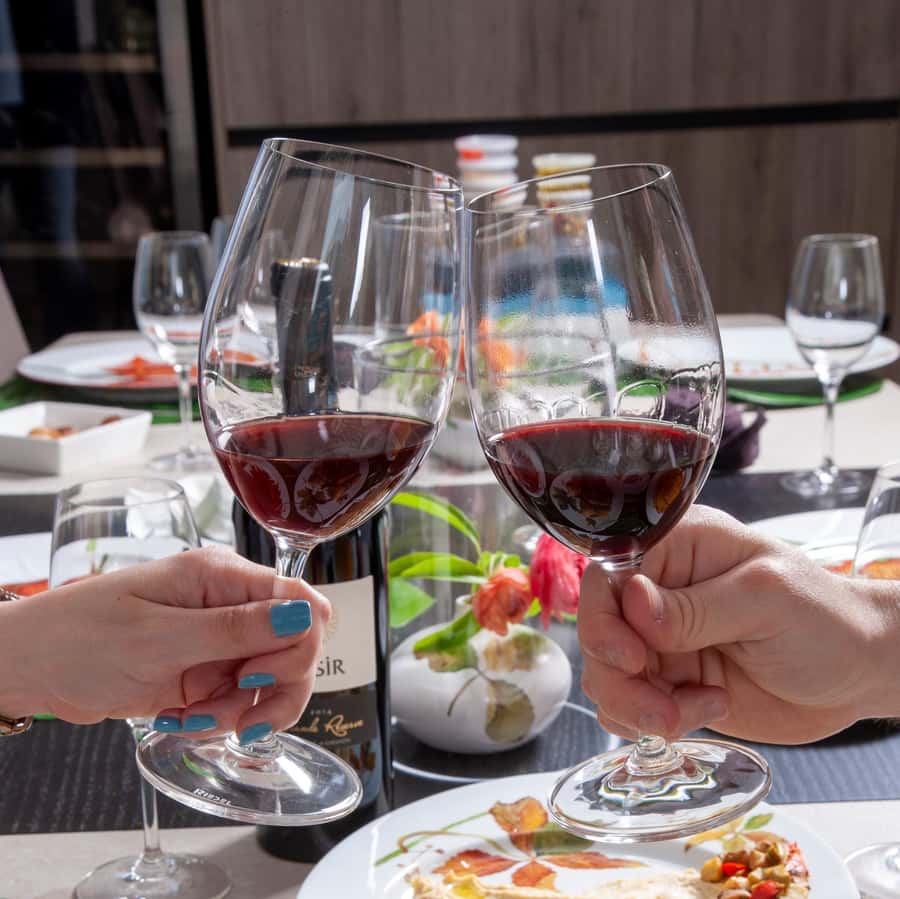
A traditional Lebanese lunch is included and is scheduled for about an hour. This break is welcome. Three tastings in one day can blur together, while a proper meal gives you time to sit, eat, and reset your palate.
The meal is also one of the more grounded parts of the experience. Wine tasting shows one side of Lebanese culture, but lunch connects the drinks to the food people actually eat. You should see it as part of the cultural visit, not just a practical pause.
The exact restaurant and menu are not specified. One account of the day noted that lunch did not take place at a winery where it could have been served. That may matter to you if you expect a vineyard meal or a polished winery restaurant. If the setting of lunch is important, confirm it before departure.
The one-hour timing suggests a straightforward meal rather than a long, leisurely feast. That is probably helpful on a full-day route. You have enough time to enjoy the food without losing the rest of the afternoon to a slow restaurant service.
Château St. Thomas and the final tasting
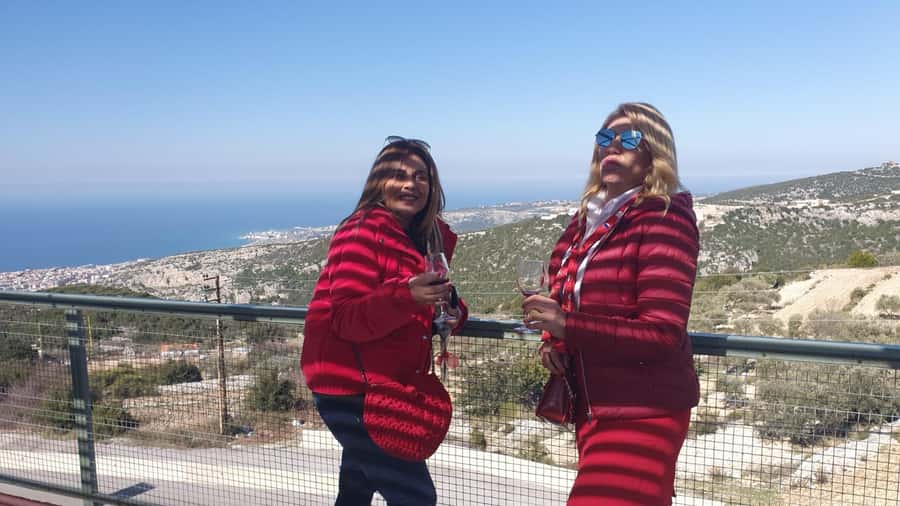
The published schedule places Château St. Thomas after lunch, with another hour for a guided tour and tasting. Ending at a winery can work well because you have already learned the basic story of the valley and can compare the final wines with those tasted earlier.
By this point, you will have sampled several Lebanese styles. Focus on differences in color, weight, sweetness, acidity, and finish rather than trying to remember every label. The tour is designed to introduce you to a range of wines, not to turn you into a professional taster in one day.
If the route instead includes Ixsir, the experience may feel different. The account provided describes Ixsir as a very large winery in an impressive building, while Phoenix was described as a smaller place where the wine was presented with real passion. Those contrasts are useful: one shows the scale and polish of a major producer, the other gives you a more intimate look at a smaller operation.
The same applies to Château St. Thomas and Château Rayak. Since the exact final route can vary in the published details, confirm the names before you go and treat each stop as part of a broader introduction to Lebanese wine rather than a guaranteed visit to one specific brand.
Craft beer and arak add variety
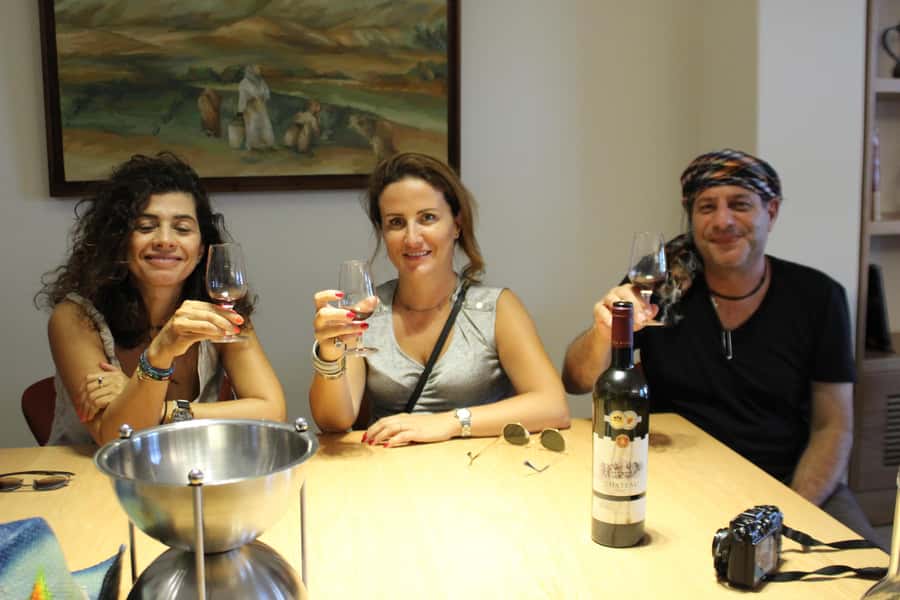
This is not only a wine outing. The inclusions mention admission to a brewery, and the experience also highlights Lebanese craft beer. Arak is included as another local drink to sample.
The brewery visit gives the day a welcome change of pace. One account described Colonel Brewery as a well-designed overall concept, which suggests more than a quick beer poured beside a winery. Still, the exact brewery stop should be confirmed because the route information focuses mainly on wineries.
Arak, often called white milk because it turns cloudy when mixed with water, is a strong grape spirit flavored with anise. It is very different from wine and usually deserves a small taste rather than a large pour. If you prefer lower-alcohol drinks, tell the guide and pace yourself carefully.
The range of drinks is a real strength for curious food and drink lovers. You can compare wine, beer, and arak in one day and get a broader sense of Lebanon’s drinking culture. It is less ideal if you want a slow, highly focused study of one winery or one grape.
What the $140 price covers
The price is $140 per person. That includes hotel pickup and drop-off, winery admission, brewery admission, wine tastings, the Lebanese lunch, and a private English-speaking guide.
For a full day from Beirut, that package can be good value. You are paying for private transportation, several admissions, food, and a designated driver, not simply for three glasses of wine. The value improves if you are traveling as a small private group and would otherwise need to arrange a car, guide, and separate winery bookings.
The price is less compelling if you mainly want one tasting close to Beirut. It is also worth confirming exactly how many tastings and which wineries are included, since the descriptions do not identify one consistent set of stops.
The tour has a 4.9 rating from three reviews, so the score is encouraging but based on a small sample. The strongest practical praise centers on the driver’s guiding, the interesting brewery concept, and the mix of large and small wine producers. The clearest caution concerns the lunch location and the changing winery names.
Who will enjoy this day most
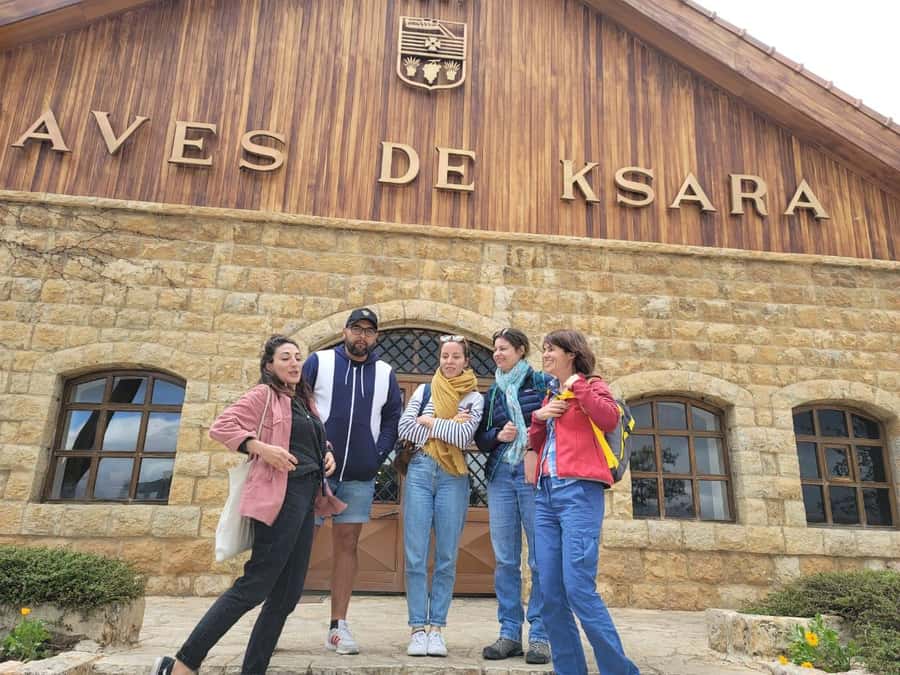
I would recommend this experience to you if you want an easy way to reach the Bekaa Valley without handling transport after drinking. It suits people who enjoy history, regional food, and tasting several kinds of alcohol in one outing.
It also works well for first-time visitors to Lebanon who want more than Beirut but have only one free day. The tour gives you a useful introduction to wine production, local drinks, and the valley without requiring a separate overnight stay.
You may want a different plan if you are a serious wine collector seeking detailed vintage information, extended cellar time, or a fixed list of elite producers. The stops are broad and varied, but the day is not presented as a technical masterclass.
Families can use the private format, though the core activity is adult-oriented. Wheelchair accessibility is listed, which is helpful, but winery conditions can differ, so ask about the specific route if mobility access is essential.
Free cancellation is available up to 24 hours before the tour, and you can reserve now and pay later. Those terms are useful when your Beirut plans are still shifting, but they do not replace the need to confirm the winery schedule.
Should you book the Bekaa Valley tasting day?
Book it if you want a practical, well-packed introduction to Lebanese wine and local drinks, especially if private transport and a guide matter to you. The strongest parts are the driver’s local commentary, the mix of large and small producers, the Lebanese lunch, and the chance to taste beer and arak alongside wine.
Before paying, ask one direct question: which wineries and brewery will be visited on your date? The changing descriptions are the only serious uncertainty. If you are happy with a flexible Bekaa Valley tasting day, $140 is a reasonable price for transport, tastings, lunch, and a private guide. If one specific winery is your main goal, get that stop confirmed in writing first.
FAQ
Where does the tour begin and end?
Pickup and drop-off are provided at your hotel in Beirut. The tour returns to Beirut after the day in the Bekaa Valley.
How long does the experience last?
It is a one-day experience. The listed winery visits take about one and a half hours at Château Kefraya and about one hour each at Château Rayak and Château St. Thomas, not counting travel time.
Which wineries are included?
The detailed schedule names Château Kefraya, Château Rayak, and Château St. Thomas. Other tour details mention Château Ksara Caves, Château Kefraya, Phoenix, and Ixsir, so confirm the exact stops before booking.
Is lunch included?
Yes. A traditional Lebanese lunch is included, with about one hour set aside for the meal. The exact restaurant and menu are not specified.
Is the tour private?
Yes. It is offered as a private group experience with an English-speaking live guide.
Can I cancel or pay later?
You can cancel up to 24 hours in advance for a full refund. Reserve now and pay later is also available.
Just added around Beirut
- Beirut to Sidon, Tyre and Maghdouché: Daily Tours with Lunch★ 5.0 · 3 reviews
- Exploring Beirut’s Past: A Private Guided Historical Tour★ 5.0 · 3 reviews
- Chouf Charm: Private Journey Through Lebanon’s Historic Heartland★ 4.5 · 3 reviews
- Hike Chouwen★ 5.0 · 3 reviews
- Private Trip to Beiteddine, Deir el Qamar & Maaser el Chouf Cedars★ 4.5 · 3 reviews
- Small-Group Tour with Lunch to Baalbek, Anjar and Ksara★ 5.0 · 3 reviews
- Baalbek, Anjar & Wine: A Journey Through Lebanon’s Heritage★ 5.0 · 3 reviews
- Baalback Roman temples tour★ 5.0 · 3 reviews
Lunch Experiences, compared.
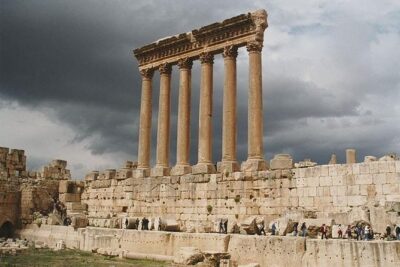
Guided Small-Group Tour to Baalbek, Anjar and Ksara with Lunch
Read our review →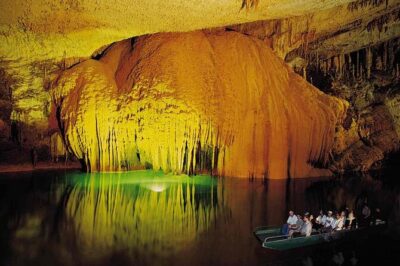
Guided Small-Group Tour to Jeita, Harissa, Byblos with Lunch
Read our review →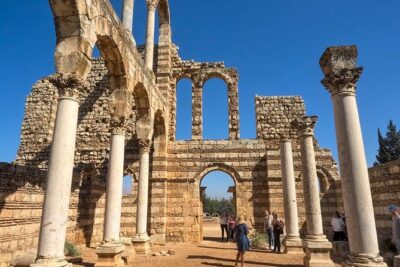
Anjar, Baalbek & Ksara Day Trip – With Lunch (4G on Board)
Read our review →
Byblos, Jeita Grotto & Harissa Day Trip -With Lunch (4G on Board)
Read our review →
Semi-Private Tour to Jeita Grotto, Harissa & Byblos with Lunch
Read our review →
Sidon, Tyre & Maghdouche Day Trip – With Lunch (4G on Board)
Read our review →
Guided Small-Group Tour to Sidon, Tyre & Maghdouche with Lunch
Read our review →
Guided Small-Group Tour to Qadisha, Bcharee & Cedars with Lunch
Read our review →Browse the lists this tour appears in