
Reviewed · JEITA GROTTO & HARISSA TOURS
Beirut to Jeita Grotto and Byblos: Daily Tours with Lunch
Jeita Grotto and Byblos give you two very different sides of Lebanon in one morning-to-afternoon outing: an underground world of limestone formations, followed by a Phoenician port town with castle ruins, market lanes, and sea views. Jeita’s stalactites and underground river are the visual hook, while Byblos gives the day its human scale.
I like the small group limit of 15 and the fact that lunch, hotel pickup, and an air-conditioned vehicle are built into the $65 price. I also like that the Byblos portion includes a local guide, since the ruins make far more sense with someone to explain the temples, castle, and ancient port. The main caution is the admission wording: the tour summary says entry fees are included, but the Jeita stop is marked admission not included, so confirm this before paying.
Key points at a glance
- Jeita Grotto reaches far below the surface: The upper cave runs for 2,130 meters, while the lower gallery extends 6,200 meters and contains an underground river and lake.
- Byblos combines archaeology with an easy town walk: You move from ancient ruins to the Old Souk and port without needing a separate transfer.
- Byblos Castle offers the clearest view of the site: Climb to the top of the square keep for a broad look across the ruins toward the sea.
- Lunch is included: That helps keep the day simple and makes the $65 price easier to assess.
- Hotel pickup starts at 8:30 a.m.: Round-trip transfers remove the need to arrange transport between Beirut, Jeita, and Byblos.
- Guide quality matters here: Albert is specifically praised for clear explanations, good humor, and arranging a well-liked local restaurant.
Why this Beirut day tour works
This is a practical choice if you have one free day from Beirut and want to see two major sights without piecing together taxis, entrance tickets, meals, and local guiding yourself. The route covers both natural and cultural attractions, so the day does not feel like a long march through one archaeological site.
The schedule lasts about six hours, with pickup beginning at 8:30 a.m. You receive hotel or residence pickup and drop-off, transport in an air-conditioned vehicle, a tour leader, lunch, and a local guide in Byblos. A group capped at 15 is small enough for questions and personal attention, though it is not a private tour.
I see the strongest value in the combination of transport and lunch. Beirut traffic and the distance between the sites can make independent planning more tiring than it first appears. Here, you can leave the driving and route planning to someone else and focus on the caves and old city.
The important price detail is the admission policy. The experience is advertised with entry fees included, yet the Jeita Grotto section says admission is not included. Since Jeita is one of the central reasons to book, ask Lebanon Daily Tours to clarify exactly what the $65 covers. The Byblos Castle admission is listed as included.
More Jeita Grotto and Harissa runs:
- Guided Small-Group Tour to Jeita, Harissa, Byblos with Lunch
★ 5.0 · 361 reviews - Jeita Grotto,Harissa&Byblos Full-Day PRIVATE-CAR Trip from Beirut
★ 5.0 · 222 reviews - Jeita Grotto – Harissa – Byblos Trip
★ 5.0 · 169 reviews
Jeita Grotto: Lebanon’s underground showpiece
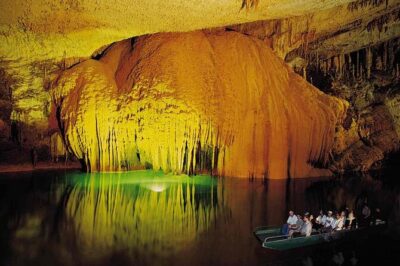
Jeita Grotto is the most unusual stop of the day. It is a connected system of two limestone caves formed over millions of years, about 300 meters above sea level. The cave complex has a height difference of 305 meters and is described as the longest cave system in the Middle East.
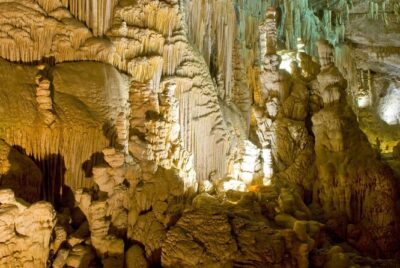
The upper cave is the part known for its huge variety of mineral shapes. You can expect stalactites hanging from the ceiling, stalagmites rising from the floor, columns, curtains, draperies, mushroom-like forms, and ponds. These are not small decorative details. The point of the visit is the scale and density of the formations, with the rock taking on shapes that change as you move through the galleries.
The lower gallery sits about 60 meters below the upper cave. It extends for 6,200 meters and includes a smooth underground river and a lake. The provided schedule allows about 90 minutes at Jeita, which gives you enough time for a proper visit, though it is not a leisurely half-day exploration of every corner.
You should also know that the itinerary description identifies admission as not included, despite the general statement that all entry fees are covered. I would settle that question before departure. A surprise extra charge at the first stop would change the real value of the tour.
Jeita is best for you if you enjoy natural sights and unusual geology. It is less suited to someone who wants a long, slow walk through a historic town, since the cave visit is a focused stop before the group moves on to Byblos.
Byblos connects ruins, shops, and the sea
After Jeita, the tour turns to Byblos, one of the oldest Phoenician cities. The town has been inhabited since Neolithic times and is closely tied to the history of the Mediterranean and the spread of the Phoenician alphabet.
That context matters because Byblos is not simply a pile of ruins behind a fence. It is a place where ancient settlement, a medieval castle, a market area, and a working port fit into one compact visit. You get a clearer sense of how the town developed over time by walking between these parts.
The main Byblos portion lasts about two hours, followed by separate time for the castle, souk, and port. The timing is fairly brisk, but it gives you variety. You will not spend the entire afternoon examining one temple foundation, and you will have room for photographs and a short stroll.
A local Byblos guide is included, which is useful here. Archaeological sites often contain more layers than the casual eye can sort out. The guide can connect the Phoenician city with the later medieval remains and point out why Byblos matters beyond its attractive streets.
Byblos Castle and the archaeological site
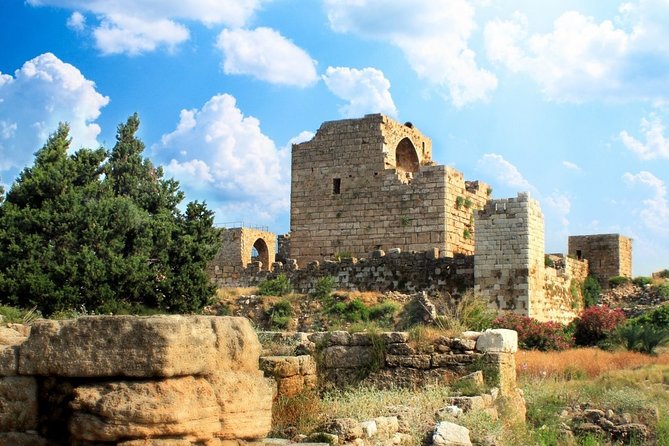
Byblos Castle is a restored 12th-century Crusader fortress surrounded by a dry moat about 10 meters wide. It sits inside the main archaeological area, near the remains of the Temple of Baalat Gebal and the Temple of the Obelisks.
The castle’s square keep is the best place for an overview. From the top, you can look across the ruins toward the sea and see Bronze Age dwellings below the walls. That elevated view helps you understand the size and arrangement of the site better than ground-level wandering alone.
Inside, there is a small museum and a room with information panels about the city’s past. Do not expect a large museum collection. The value is in the combination of the structure, the view, and the surrounding ruins.
One hour is allocated to the castle. That should be enough to climb, look around, read the panels, and take in the site without rushing from room to room. If you prefer long museum visits or detailed archaeological study, you may want more time than this tour allows.
The castle admission is included, according to the tour details. That makes it especially important to clarify the separate Jeita admission issue, since the two sites are handled differently in the information provided.
More days out in Byblos:
- Byblos, Jeita Grotto & Harissa Day Trip -With Lunch (4G on Board)
★ 4.5 · 145 reviews - Semi-Private Tour to Jeita Grotto, Harissa & Byblos with Lunch
★ 5.0 · 52 reviews - Small Group Tour to Jeita Grotto, Harisa & Byblos with Hotel pickup
★ 5.0 · 49 reviews - Private Guided Tour to Jeita Grotto through Harissa and Byblos
★ 5.0 · 48 reviews
The Old Souk gives the day a lighter pace
The Old Souk is a short stop of about 30 minutes. Its cobblestone streets, old buildings, souvenir shops, and antiques provide a change from the cave and archaeological area.
Half an hour is not enough for serious shopping, but it is enough to walk through the market and get your bearings. You can browse without turning the day into a dedicated retail trip. If you hope to compare antiques carefully or shop at length, this will feel brief.
I like this stop because it keeps Byblos from becoming only an academic visit. The old market adds everyday texture and gives you a chance to stretch your legs after the castle. Keep your expectations sensible: the schedule favors a quick look rather than an extended shopping session.
Byblos Port and the final coastal view
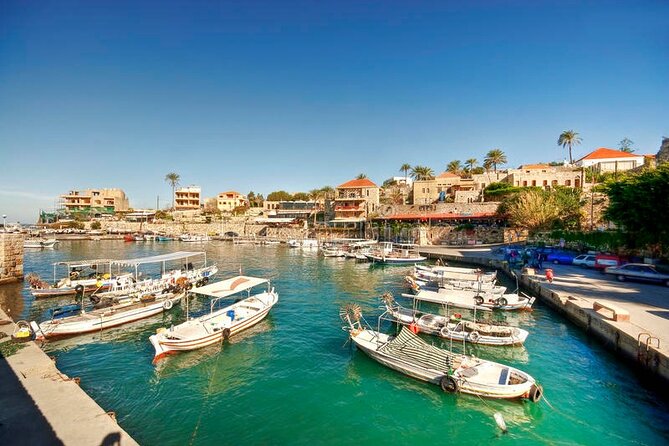
The port visit lasts about 15 minutes, so think of it as a short viewpoint and photo stop. Byblos Port is an ancient harbor believed by Lebanese people to be the oldest port in the world. Around 3000 BC, it was an important center for shipping timber around the eastern Mediterranean.
The port helps explain Byblos’s early importance. This was not an isolated inland settlement. Its position on the coast supported trade and connected the city to other parts of the Mediterranean.
You will not have much time here, but the stop is well chosen. After the castle and souk, the harbor gives you a final look at the town’s relationship with the sea. The brief timing also keeps the whole tour within its roughly six-hour schedule.
Lunch and the guide can shape the day
Lunch comes at no extra cost, which is a real convenience on a tightly timed tour. You do not need to stop and negotiate a restaurant while trying to stay with the group.
The details do not specify the exact menu or restaurant in advance. One account of the experience specifically credits Albert with arranging a pleasant local restaurant and a tasty meal. Albert is also described as both guide and driver on that outing, with clear explanations and a friendly sense of humor.
That is useful information, but you should treat it as a guide example rather than a promise that Albert will lead every departure. The tour includes a tour leader and a local guide at Byblos, yet the exact staffing may vary.
For me, a good guide is particularly valuable at Byblos. Jeita can impress you through its formations without much explanation, but Byblos benefits from someone who can explain the temples, castle, alphabet, port, and changing periods of settlement in plain language.
Transport, group size, and pace

Pickup is offered from your Beirut hotel or residence, with return transport included. The air-conditioned vehicle matters, especially since this is a six-hour outing with several stops and no need to arrange separate rides between them.
The maximum group size is 15. That is a useful middle ground. You get the efficiency of a shared tour and a better chance to hear the guide than you would in a large coach group. Still, the pace is set by the group, and the itinerary leaves limited room for lingering.
Most people can participate, according to the tour information. No detailed accessibility information is provided, so ask the operator if you have specific mobility needs. The caves, castle, archaeological area, and cobbled souk may not suit every visitor equally, and the available details do not explain surfaces, steps, or access arrangements.
The day begins at 8:30 a.m. That start gives you a full morning for Jeita before moving to Byblos. Since pickup times can vary by address, confirm the exact collection time and meeting details after booking.
Who should book this experience?
I would choose this tour if you want an efficient introduction to northern Beirut’s major sights and prefer having transport, lunch, and guiding handled together. It suits first-time visitors, couples, small family groups, and anyone with limited time in Lebanon.
It is also a good fit if you want both scenery and history. Jeita supplies the dramatic natural setting, while Byblos offers a more varied walk through ruins, a castle, a market, and a harbor.
I would hesitate if you want a private pace, long shopping time, or detailed archaeological research. The schedule is compact, with 90 minutes at Jeita, two hours around Byblos, one hour at the castle, 30 minutes in the souk, and 15 minutes at the port.
Before booking, confirm two things: the exact Jeita entrance arrangement and which guide will lead your departure. The overall plan is strong, but those details affect both the cost and the character of the day.
Is the $65 price good value?
At $65 per person, the tour offers a lot for a half-day outing: hotel pickup and drop-off, an air-conditioned vehicle, lunch, a tour leader, a local Byblos guide, and included Byblos Castle admission. If Jeita admission is also covered as the main tour summary says, the value is quite good.
If Jeita entry costs extra, the price remains reasonable for the transport and guided access, but it is less complete than advertised. That is why I would not book without confirming the fee.
The small group limit strengthens the value. You are not paying for a private car, but a group of no more than 15 should feel more manageable than a large sightseeing bus. The highly positive comments about Albert’s explanations, humor, and restaurant choice also suggest that the human side of the outing can be a major asset when the right guide is assigned.
Should you book Jeita Grotto and Byblos?
Book it if you want a well-organized day from Beirut with two major sights, lunch, hotel transfers, and a small group. The mix is appealing: spectacular cave formations, Phoenician ruins, a Crusader castle, a cobbled souk, and an ancient port.
I would make one phone call or message before booking to confirm whether Jeita admission is included and whether Albert is available for your date. If those answers suit you, the tour offers a sensible way to see Jeita and Byblos without wasting time on transport planning.
FAQ
What time does the tour start?
The tour starts at 8:30 a.m. Pickup is offered from your Beirut hotel or residence.
How long does the experience last?
The tour lasts approximately six hours.
Is hotel pickup and drop-off included?
Yes. Round-trip pickup and drop-off from your hotel or residence are included.
What is the maximum group size?
The group can include a maximum of 15 travelers.
Is lunch included?
Yes. Lunch is included at no extra cost.
Is transport provided?
Yes. The tour uses an air-conditioned vehicle.
Is a guide included?
Yes. The experience includes a tour leader and a local guide at Byblos. The supplied details specifically mention Albert as a guide and driver on one departure.
Are entrance fees included?
The tour information says all entry fees are included, and Byblos Castle admission is listed as included. However, the Jeita Grotto stop is also marked admission not included, so you should confirm the Jeita fee with Lebanon Daily Tours before booking.
What is the cancellation policy?
You can cancel at least 24 hours before the local start time for a full refund. Cancellations or changes made within 24 hours are not refunded or accepted.
More Lunch Experiences in Beirut
- Guided Small-Group Tour to Baalbek, Anjar and Ksara with Lunch
★ 5.0 · 511 reviews - Anjar, Baalbek & Ksara Day Trip – With Lunch (4G on Board)
★ 4.5 · 181 reviews - Sidon, Tyre & Maghdouche Day Trip – With Lunch (4G on Board)
★ 4.5 · 44 reviews - Guided Small-Group Tour to Sidon, Tyre & Maghdouche with Lunch
★ 5.0 · 41 reviews
Just added around Beirut
- Beirut to Sidon, Tyre and Maghdouché: Daily Tours with Lunch★ 5.0 · 3 reviews
- Exploring Beirut’s Past: A Private Guided Historical Tour★ 5.0 · 3 reviews
- Chouf Charm: Private Journey Through Lebanon’s Historic Heartland★ 4.5 · 3 reviews
- Hike Chouwen★ 5.0 · 3 reviews
- Private Trip to Beiteddine, Deir el Qamar & Maaser el Chouf Cedars★ 4.5 · 3 reviews
- Small-Group Tour with Lunch to Baalbek, Anjar and Ksara★ 5.0 · 3 reviews
- Lebanese wineries guided tour with tastings & lunch★ 4.9 · 3 reviews
- Baalbek, Anjar & Wine: A Journey Through Lebanon’s Heritage★ 5.0 · 3 reviews
Jeita Grotto & Harissa Tours, compared.
Guided Small-Group Tour to Jeita, Harissa, Byblos with Lunch
Read our review →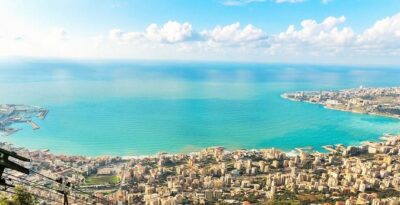
Jeita Grotto,Harissa&Byblos Full-Day PRIVATE-CAR Trip from Beirut
Read our review →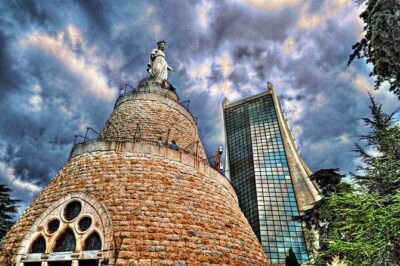
Byblos, Jeita Grotto & Harissa Day Trip -With Lunch (4G on Board)
Read our review →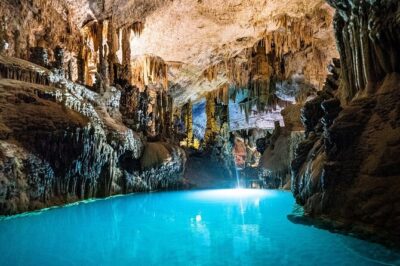
Semi-Private Tour to Jeita Grotto, Harissa & Byblos with Lunch
Read our review →
Small Group Tour to Jeita Grotto, Harisa & Byblos with Hotel pickup
Read our review →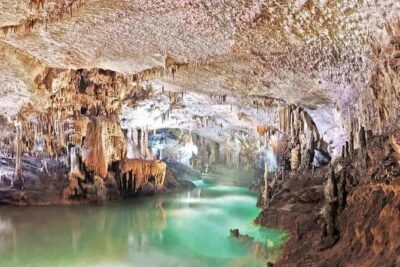
Private Guided Tour to Jeita Grotto through Harissa and Byblos
Read our review →
New Guided Semi-Private Tour to Jeita Grotto, Harissa & Byblos
Read our review →Browse the lists this tour appears in