
Reviewed · QADISHA VALLEY & CEDARS TOURS
Beirut to Qadisha Valley, Bcharri & Cedar: Daily Tours with Lunch
The best part of this day is the change of scene. Beirut’s busy streets give way to the high country of northern Lebanon, where the Qadisha Valley combines cliffs, caves, monasteries, and old cultivated terraces. You also visit Bcharre, birthplace of Kahlil Gibran, and the ancient Cedars of God.
I like the easy hotel pickup and the fact that lunch and entrance fees are included. I also like the small maximum of 15 people, which gives the guide a better chance to answer questions and keep the day moving. The possible drawback is the long round trip from Beirut, with only about 30 to 45 minutes at each main stop, so this is a highlights tour rather than a slow mountain stay.
Key points to know
- Qadisha Valley gives the day its sense of place: You see a major early Christian monastic area set among steep mountain walls.
- Bcharre connects scenery with Lebanese culture: The town is linked to Kahlil Gibran, 37 churches, and Lebanon’s oldest ski area.
- The Gibran Museum is included: Its collection contains 440 original paintings and drawings, personal belongings, manuscripts, and Gibran’s tomb.
- The Cedars of God are more than a photo stop: The protected forest contains 375 remaining trees and represents one of Lebanon’s strongest national symbols.
- Deir Qozhaya adds a living religious site: Saint Anthony the Great Monastery sits at about 950 meters in the Qozhaya Valley.
- The $65 price covers the essentials: Transport, hotel pickup and drop-off, lunch, a tour leader, and all entrance fees are included.
From Beirut to the high country
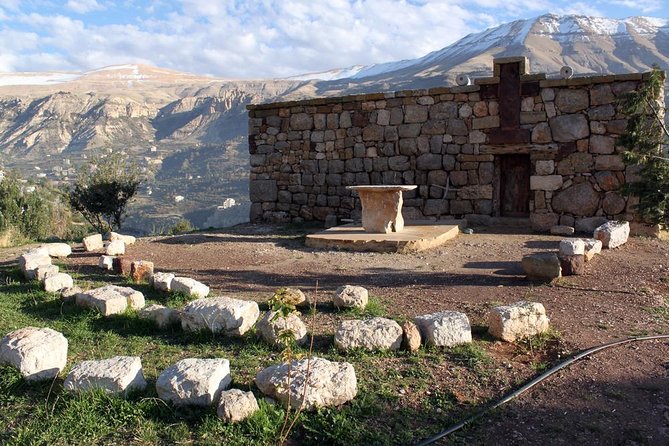
This is an eight-hour day built around northern Lebanon’s mountains. You leave Beirut at about 8:30 a.m. in an air-conditioned vehicle and return to the capital after visiting four main sites, with hotel or residence pickup and drop-off included.
That door-to-door service matters. The route reaches remote mountain areas, and you do not have to arrange a rental car, study the roads, or work out how to connect Bcharre with the monasteries and cedar forest. A driver-guide also lets you watch the scenery instead of concentrating on the route.
The group is limited to 15 people. That is not a private tour, but it is small enough to feel more manageable than a large coach outing. The guide can usually give more direct help, and the day is less likely to feel like a procession from one bus stop to the next.
You should still prepare for a full day on the road. The mountain sites are spread across a wide area, and the listed stops are fairly short. If you want long hikes, extended museum time, or several hours in one village, you will probably find this schedule too brisk. If you want a practical first look at the region from Beirut, the pace makes sense.
More Qadisha Valley and Cedars days:
- Bcharre – Qadisha Valley & Cedars Forest From Beirut
★ 5.0 · 78 reviews - Guided Small-Group Tour to Qadisha, Bcharee & Cedars with Lunch
★ 5.0 · 39 reviews - Cedars of Lebanon, Qozhaya, & Bcharre – With Lunch (4G on Board)
★ 4.5 · 34 reviews
Qadisha Valley and the roots of mountain monastic life
Qadisha Valley is the setting that ties the whole outing together. Its caves, monasteries, and cultivated terraces are linked with some of the earliest Christian monastic settlements in the world. The valley is rugged, steep, and shaped by centuries of people seeking solitude in the mountains.
The visit gives you context for the monasteries that follow. This is not simply a scenic mountain drive. The cliffs and caves helped create a place where hermits and religious communities could live apart from the towns below. The remains and religious buildings reflect a long tradition of retreat and worship.
You should understand that this tour offers an overview rather than a demanding trek through the valley. The schedule includes Deir Qozhaya, but it does not promise a long walk through every cave or monastery. The physical requirement is described as moderate, so comfortable shoes and a reasonable level of fitness are sensible.
Even from short stops, the valley helps explain why northern Lebanon feels different from Beirut. You get high mountain air, steep rock walls, trees, and religious sites that are closely tied to the terrain.
Bcharre, the town of Kahlil Gibran
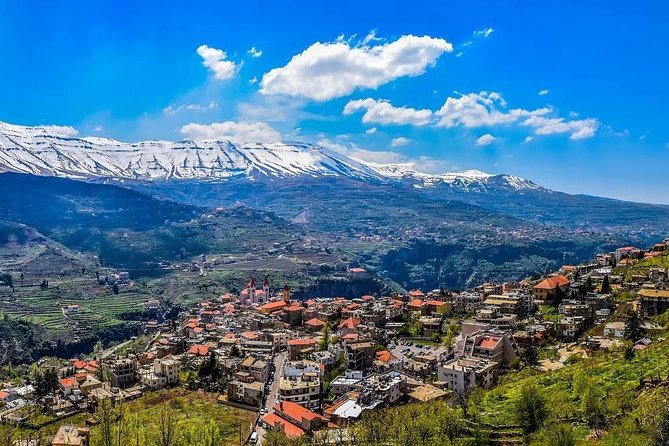
Bcharre is the first major cultural stop and one of the day’s most distinctive places. It is the hometown of Kahlil Gibran, the Lebanese writer, philosopher, and artist whose work became famous far beyond Lebanon. The town also honors him through the Gibran Museum.
Bcharre is known as the city of churches because it has about 37 churches. That detail gives you a quick sense of the town’s religious character, even though the tour does not set aside time to visit each one. You will also hear about the Cedars Ski Resort and Lebanon’s first ski lift, built in 1953. Bcharre is therefore tied to both religious tradition and the country’s early ski culture.
The scheduled stop is about 30 minutes before the museum visit. That is enough to take in the town’s setting and hear an introduction, but not enough for a long independent walk. Keep your expectations practical. You are getting a guided snapshot of Bcharre, not a free afternoon in the town.
I like this stop because it prevents the day from becoming only a nature excursion. The connection to Gibran gives the mountain region a strong human story, and the churches and ski history add useful details that you might miss on a simple drive to the cedars.
Inside the Gibran Museum
The Gibran Museum occupies the former Monastery of Mar Sarkis. Its location adds atmosphere, but the main reason to visit is the collection itself. Founded in 1935, the museum holds 440 original Gibran paintings and drawings, along with his tomb, furniture, studio belongings from his years in New York City, and private manuscripts.
Admission is included, which is important because the museum is one of the clearest cultural highlights of the tour. The 30-minute visit is short, but it gives you a focused introduction to Gibran’s art and life. If you already know his writing, the manuscripts and personal objects should make the visit more meaningful. If you know little about him, the museum still gives you a useful connection to Bcharre.
The time limit is the main compromise. You will not have the freedom to study every artwork at length. I would listen closely to the guide’s explanation and decide in advance which parts of the collection matter most to you. The museum is compact enough for a focused visit, but art lovers may wish the schedule allowed more time.
This is also where the tour’s small-group format can help. A group of no more than 15 people is easier to gather inside a museum, and it gives you a better chance to ask a question without interrupting a large crowd.
A few more Beirut days worth weighing up
- Guided Small-Group Tour to Baalbek, Anjar and Ksara with Lunch
★ 5.0 · 511 reviews - Guided Small-Group Tour to Jeita, Harissa, Byblos with Lunch
★ 5.0 · 361 reviews - Anjar, Baalbek & Ksara Day Trip – With Lunch (4G on Board)
★ 4.5 · 181 reviews - Byblos, Jeita Grotto & Harissa Day Trip -With Lunch (4G on Board)
★ 4.5 · 145 reviews
The Cedars of God and Lebanon’s national symbol
The Cedars of God forest is the day’s most recognizable natural stop. The protected grove contains 375 trees and is one of the last remaining areas where the ancient Lebanese cedar still grows. The cedar appears on the Lebanese flag, so seeing the trees in person gives extra meaning to a symbol you have probably seen throughout the country.
The cedar was highly valued in ancient times as a building material. It was used for important religious buildings and is cited 103 times in the Bible. Those facts are not just background trivia. They explain why a relatively small surviving forest has such importance in Lebanese culture and religious memory.
You have about 45 minutes here, the longest scheduled stop. That gives you time to walk among the trees, take photographs, and appreciate their size and age. The visit is not presented as a long forest hike, so expect a compact exploration rather than a wilderness outing.
The forest’s small size may surprise you. This is not an endless cedar woodland. It is a protected remnant, and its value comes from survival and symbolism. I would approach it as a place to see and understand, not as a destination for a full day of hiking.
The mountain setting also gives you a clear break from city life. The air, trees, and open views make this a strong visual part of the tour. Bring a layer, since mountain conditions can feel different from Beirut, though the provided information does not specify seasonal temperatures.
Deir Qozhaya at 950 meters
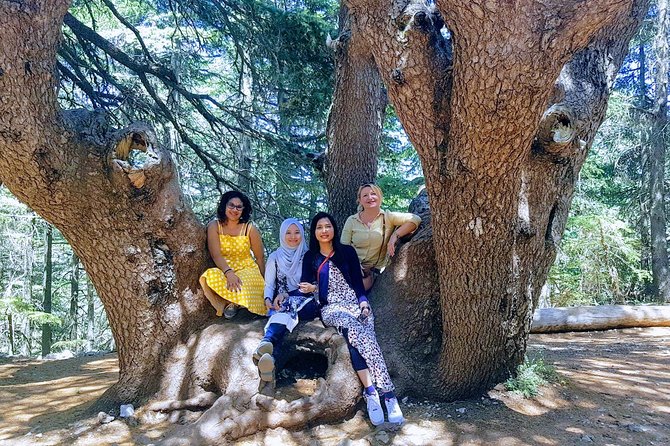
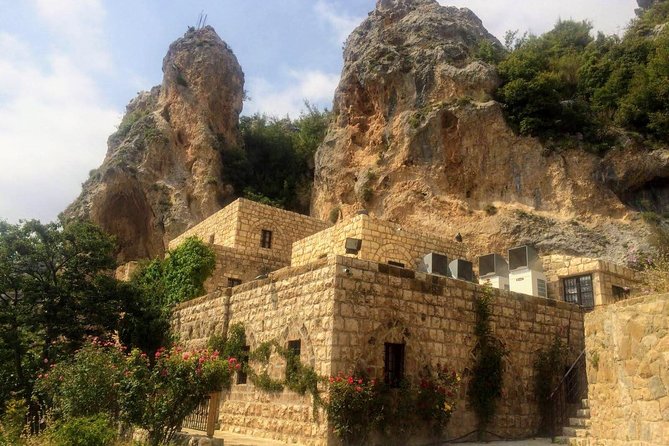
The final main stop is Deir Qozhaya, also called the Monastery of Saint Anthony the Great. It sits about 950 meters above sea level in the Qozhaya Valley, surrounded by hills covered with pine and oak trees.
Fruit trees grow along the valley, which continues into the Qannubin Valley to form the larger Qadisha Valley. The setting helps you see how the area’s religious life developed alongside its natural features. Monks and hermits were not choosing a plain urban site. They were seeking quiet, shelter, and distance in a difficult mountain environment.
Historians and scholars believe the monastery began to be built and occupied by hermits in the early fourth century. It was looted, burned, and destroyed several times, but remains dating to the seventh century still survive. That history gives the stop weight, even if your visit is brief.
You have about 30 minutes at Deir Qozhaya. The stop works best as a guided introduction to the monastery and its setting. Do not expect an extended religious retreat or a long exploration of every section. The value is in seeing an old monastic site in its valley and understanding its place in the wider Qadisha tradition.
Lunch and the value of the $65 price
Lunch at a local Lebanese restaurant is included, along with all entrance fees. One direct account of the day specifically praised the meal as delicious and typical of Lebanese cuisine. Since the restaurant and menu are not specified in advance, you should treat the meal as a local-style lunch rather than expect a named restaurant or a fixed list of dishes.
At $65 per person, the package is strong for a full day from Beirut. You are paying for an air-conditioned vehicle, hotel pickup and drop-off, a tour leader, lunch, and admissions to the Gibran Museum and Cedars of God. You also avoid the cost and stress of arranging transport through mountain areas yourself.
The value depends on what you want from the day. For a first visit to Lebanon, the combination of culture, religion, forest, and mountain scenery is efficient. For someone already staying in Bcharre, the price may be less attractive because the transport from Beirut is a major part of the service.
The included meal also keeps the schedule simple. You do not need to spend part of the day choosing a restaurant or checking prices. Just remember that a group lunch can be less flexible than eating independently, especially if you have dietary restrictions that have not been discussed before booking.
What the small group and guide service mean
The tour is led by a tour leader, but no guide name is provided. The strongest practical feature is the guide’s role as both local escort and driver. Direct feedback praised the guide’s helpful manner, careful driving, punctuality, and hotel pickup and drop-off.
Those points matter on a mountain day. Punctual pickup protects the limited time at each stop, and careful driving is especially welcome on winding roads. Hotel service also removes one common source of uncertainty: figuring out exactly where to meet a tour vehicle in Beirut.
A maximum of 15 people is a useful middle ground. You get the social ease and lower cost of a group tour, without the size of a major bus group. It also supports a more personal explanation at the museum and monastery.
Still, small group does not mean private. The day follows a set route, and the guide must keep everyone together. If you want to linger at the Gibran Museum, stop often for photographs, or change the route, a private booking would offer more control, but that is not what this $65 experience is designed to provide.
How to prepare for the eight-hour outing
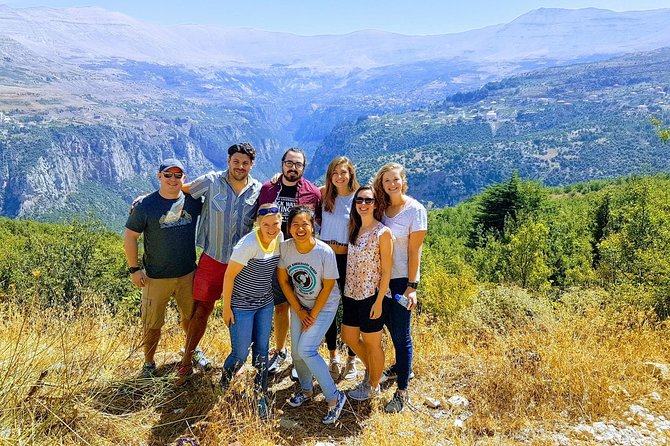
Plan on moderate physical activity. The tour information does not specify long hikes, but the valley, monastery, forest, and town stops require some walking. Wear shoes that are comfortable on uneven ground, and bring a light layer for the higher elevations.
Start with breakfast because the tour leaves at 8:30 a.m. Lunch is included, but the exact meal time is not given. Hotel pickup is offered from hotels or residences in Beirut, so provide a clear address when booking and be ready at the stated start time.
The experience is mobile-ticketed, and confirmation is provided at booking. You should keep the ticket available on your phone, though the tour includes a tour leader who handles the day’s route.
The tour requires good weather and a minimum number of participants. If poor weather cancels the outing, you are offered another date or a full refund. If the minimum group size is not reached, you are offered another date, another experience, or a full refund.
Free cancellation is available up to 24 hours before the start time. Inside that 24-hour window, the payment is not refunded and changes are not accepted. This is worth noting before you commit, especially if your Beirut plans are uncertain.
Who should book this Beirut mountain tour?
I would choose this tour if you want to see the Qadisha region without renting a car or arranging several separate excursions. It suits you especially well if you want a balanced day: one town, one museum, one cedar forest, one monastery, and a Lebanese lunch.
It is also a good fit if you value practical service. Pickup, drop-off, included admissions, and a meal make the day easy to manage. The small group and reports of punctual, careful driving add confidence to a route where transport is a major part of the experience.
You may want a different plan if your priority is serious hiking. The tour gives you short visits, not a full trail day in Qadisha Valley. It may also feel rushed if you are a dedicated Gibran scholar or want to explore Bcharre’s churches at your own pace.
Should you book it?
Book this tour if you have one day from Beirut and want a well-rounded introduction to northern Lebanon. The strongest reasons are the efficient route, included lunch and entrance fees, hotel service, and access to places that are awkward to connect independently.
I would book it with realistic expectations. You will see important highlights, not every monastery, cedar trail, or corner of Bcharre. For a first look at the region at $65, that tradeoff is fair. If you prefer a slow, deeply focused visit, spend several nights in the north instead. If you want a convenient and culturally varied day trip, this is a sensible choice.
FAQ
How long does the tour last?
The tour lasts approximately eight hours.
What time does the tour start?
The stated start time is 8:30 a.m.
Does the tour include hotel pickup and drop-off?
Yes. Pickup and drop-off are offered from any hotel or residence in Beirut.
How many people can join the tour?
The maximum group size is 15 people.
Is lunch included?
Yes. Lunch at a local restaurant is included in the price.
Are entrance fees included?
Yes. All entrance fees are included, including admission to the Gibran Museum.
Which places does the tour visit?
The route includes Qadisha Valley, Bcharre, the Kahlil Gibran Museum, the Cedars of God, and Deir Qozhaya.
How much time is scheduled at Bcharre?
The listed stop at Bcharre is 30 minutes, and the Gibran Museum visit is also listed as 30 minutes.
How much time is scheduled at the Cedars of God?
The visit to the Cedars of God is scheduled for 45 minutes.
Can I cancel for a full refund?
Yes, if you cancel at least 24 hours before the experience start time. Cancellations made less than 24 hours in advance are not refunded.
Just added around Beirut
- Beirut to Sidon, Tyre and Maghdouché: Daily Tours with Lunch★ 5.0 · 3 reviews
- Exploring Beirut’s Past: A Private Guided Historical Tour★ 5.0 · 3 reviews
- Chouf Charm: Private Journey Through Lebanon’s Historic Heartland★ 4.5 · 3 reviews
- Private Trip to Beiteddine, Deir el Qamar & Maaser el Chouf Cedars★ 4.5 · 3 reviews
- Hike Chouwen★ 5.0 · 3 reviews
- Small-Group Tour with Lunch to Baalbek, Anjar and Ksara★ 5.0 · 3 reviews
- Baalbek, Anjar & Wine: A Journey Through Lebanon’s Heritage★ 5.0 · 3 reviews
- Lebanese wineries guided tour with tastings & lunch★ 4.9 · 3 reviews
Qadisha Valley & Cedars Tours, compared.
Bcharre – Qadisha Valley & Cedars Forest From Beirut
Read our review →
Guided Small-Group Tour to Qadisha, Bcharee & Cedars with Lunch
Read our review →Cedars of Lebanon, Qozhaya, & Bcharre – With Lunch (4G on Board)
Read our review →
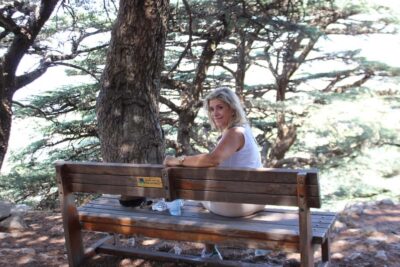
Cedars Shouf & Beiteddine w/pick-up, guide, entries+lunch
Read our review →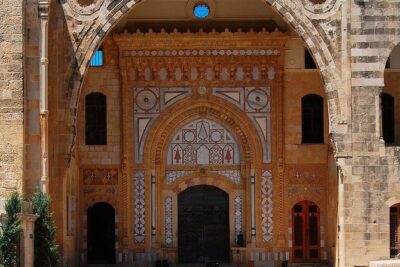
Guided small group to Cedars Reserve & Beiteddine w/lunch+entries
Read our review →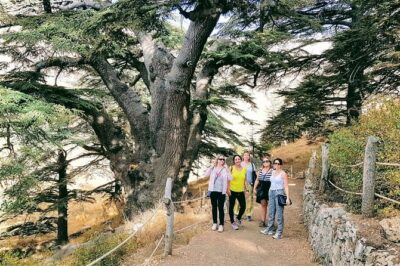
Small-Group Tour with Lunch to Qadisha Valley, Bcharre and Cedars
Read our review →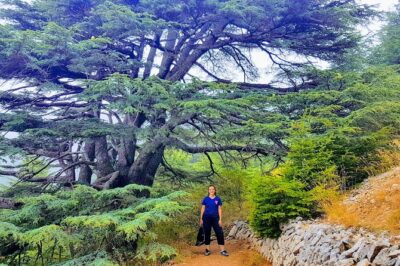
Guided Full-Day Private Trip to Cedars, Baalbek and Chateau Ksara
Read our review →Browse the lists this tour appears in