
Reviewed · QADISHA VALLEY & CEDARS TOURS
Small Group Tours to Qadisha Valley, Bcharre and Cedars with lunch and all fees
Qadisha Valley gives you one of Lebanon’s most powerful day trips: ancient monasteries tucked into steep mountain country, Bcharré’s links to Kahlil Gibran, and the old cedar trees that define the nation. The day covers a lot of ground, so the air-conditioned minivan and door-to-door transfers matter.
I like the mix of art, faith, and nature, rather than a day built around one photo stop. I also like the lunch and admission fees included in the $99 price, which keeps the budget clear. The main drawback is time: nine hours is enough for an introduction, but not enough for long walks or a slow look at every corner of Qadisha.
Key points
- Ancient Christian sites: Visit the UNESCO-listed Qadisha Valley and St Anthony Monastery, with its roots in early hermit life.
- Kahlil Gibran connection: See the museum in Bcharré, housed in the former Monastery of Mar Sarkis.
- Lebanon’s famous cedars: Spend about an hour among the Cedars of God, home to 375 preserved trees.
- Small-group format: The tour is described as capped at eight people, though the booking information also lists a maximum of 15, so confirm the group size before paying.
- Simple full-day value: Hotel pickup, transport, lunch, entrance fees, and a tour leader are included.
- Strong guiding: Albert is specifically praised for clear explanations, friendly service, and careful driving. Another highly praised guide is described as warm, funny, and informative.
Why Qadisha Valley deserves a full day from Beirut
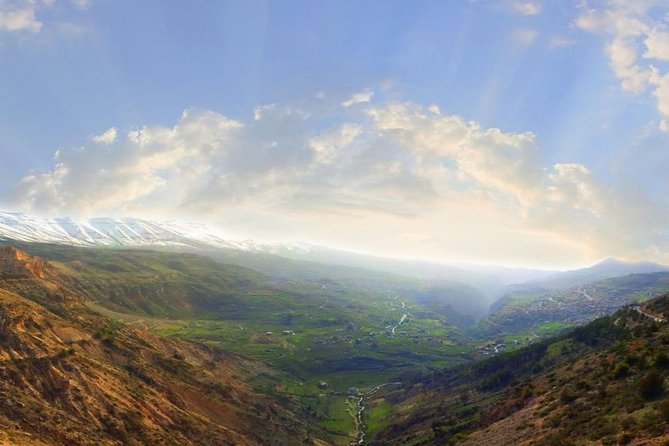
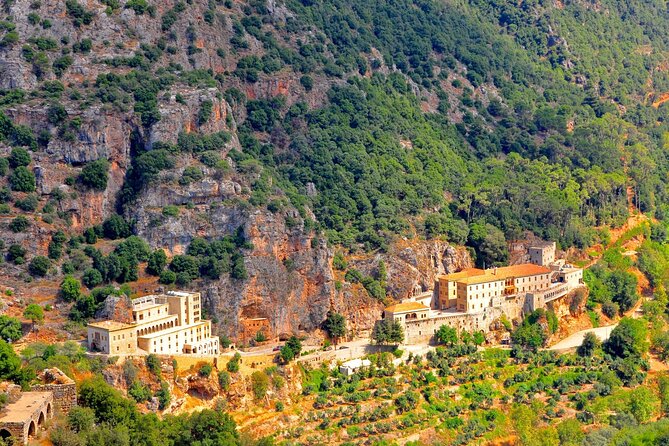
Qadisha is not just a mountain viewpoint. It is a long, rugged valley shaped by caves, monasteries, cultivated terraces, and centuries of Christian monastic life. Many of the religious sites sit in hard-to-reach folds of the mountains, which makes going with a driver-guide much easier than trying to link them by public transport.
The valley is one of the most important settlement areas connected with the first Christian monasteries. That gives the day a clear sense of place. You are not simply looking at old stone buildings. You are seeing the setting where hermits lived, prayed, farmed small plots, and sought shelter in caves.
I like this part of the tour because the scenery and the story support each other. The steep terrain explains why isolated religious communities could survive here, while the monasteries give the mountain views a human scale.
Still, keep your expectations sensible. This is a sightseeing day with short visits, not a hiking trip through the full valley. The listed stops allow about an hour at the monastery and an hour at the cedar forest, with shorter periods in Bcharré and the Gibran Museum. You will see important places, but you will not explore every cave or monastery in Qadisha.
More Qadisha Valley and Cedars days:
- Bcharre – Qadisha Valley & Cedars Forest From Beirut
★ 5.0 · 78 reviews - Guided Small-Group Tour to Qadisha, Bcharee & Cedars with Lunch
★ 5.0 · 39 reviews - Cedars of Lebanon, Qozhaya, & Bcharre – With Lunch (4G on Board)
★ 4.5 · 34 reviews
The drive north in a group of up to eight
The tour begins at 8:00 am and includes hotel pickup in Beirut. That is a major convenience for a day reaching northern Lebanon. You do not need to find an intercity bus, arrange a second taxi, or work out how to reach mountain sites spread across several areas.
Transport is by air-conditioned minivan. For a nine-hour outing, this is more than a minor comfort. The route includes mountain roads, and having someone else handle the driving lets you watch the scenery and listen to explanations instead of studying a map.
The small-group promise is one of the strongest parts of the experience. A group of eight allows you to hear the guide, ask questions, and get in and out of the vehicle without the delays of a large coach. The tour information also states a maximum of 15 people, so there is a mismatch worth checking before booking. Ask Beirut Daily Tours what group size applies to your departure date.
Guides are another important variable. Albert is praised for detailed explanations, excellent English, and a friendly, professional manner. He is especially well regarded for explaining the importance of St Anthony Monastery and for sharing broader information about Lebanon. Another guide is described as friendly, funny, and informative. Since guide assignment can change, treat these names as useful possibilities, not a guarantee.
Bcharré, a mountain town with 37 churches
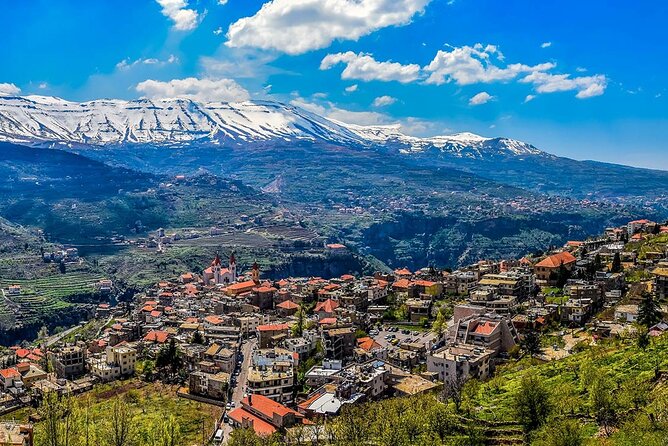
Your first substantial cultural stop is Bcharré, a mountain town closely tied to Lebanon’s cedar forests and to Kahlil Gibran. The town is sometimes called the city of churches because it contains about 37 churches, a striking detail for a place of this size.
Bcharré is also associated with skiing. It is home to the Cedars Ski Resort and Lebanon’s first ski lift, built in 1953. That adds another layer to the town. Bcharré is not only a religious and literary center, but also part of Lebanon’s mountain recreation tradition.
The scheduled town visit is about 30 minutes, with no separate admission fee. That is enough to get your bearings and appreciate the setting, but not enough for a long independent wander. You should see this stop as a compact introduction before the more focused museum and cedar visits.
The short timing may frustrate you if you enjoy slow village walks. On the other hand, it helps the tour cover several major sights in one day. The guide can put Bcharré into context without asking you to give up the forest or monastery.
The Gibran Museum and a very personal look at the artist
The Gibran Museum is in the former Monastery of Mar Sarkis and is dedicated to Kahlil Gibran, the Lebanese writer, philosopher, poet, and artist. Gibran was born in Bcharré, so this is not a generic art museum added to the route. It connects the town directly to one of Lebanon’s best-known cultural figures.
The collection includes 440 original paintings and drawings, along with furniture and personal belongings from Gibran’s studio in New York City. You can also see private manuscripts and his tomb. The setting in a former monastery gives the visit a strong sense of continuity between religious life, art, and the town’s identity.
You receive about 30 minutes inside, and admission is included. That time works well for a first visit, especially if you are more interested in seeing original works and personal objects than reading every panel. If Gibran is a major reason for your trip, you may wish this stop were longer.
The guide’s role helps here. A good explanation can connect the museum to Bcharré rather than leaving you with a collection of paintings in isolation. Albert is particularly praised for detailed historical and cultural commentary, which suits this stop.
A few more Beirut days worth weighing up
- Guided Small-Group Tour to Baalbek, Anjar and Ksara with Lunch
★ 5.0 · 511 reviews - Guided Small-Group Tour to Jeita, Harissa, Byblos with Lunch
★ 5.0 · 361 reviews - Anjar, Baalbek & Ksara Day Trip – With Lunch (4G on Board)
★ 4.5 · 181 reviews - Byblos, Jeita Grotto & Harissa Day Trip -With Lunch (4G on Board)
★ 4.5 · 145 reviews
The Cedars of God, Lebanon’s national symbol
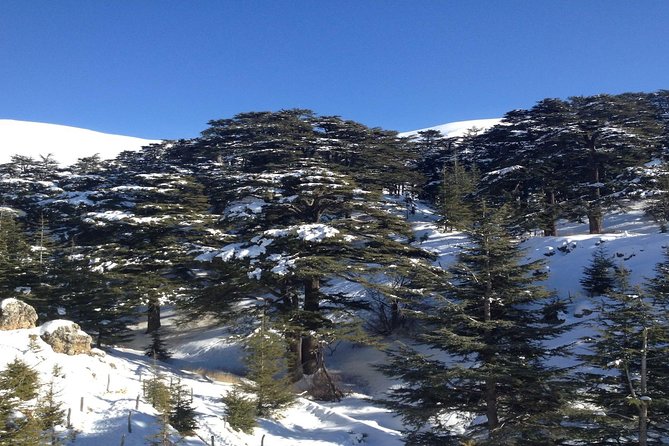
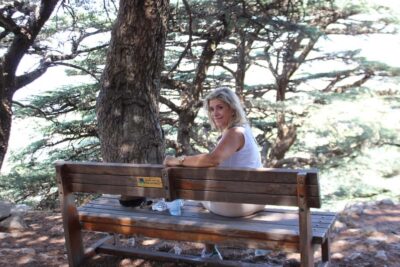
The Cedars of God is likely to be the emotional center of the day. The forest contains 375 trees and is one of the rare places where Lebanon’s cedar still grows. These are the trees represented on the Lebanese flag, so the visit carries national meaning as well as natural beauty.
Cedar wood was highly valued in ancient times and used in major religious buildings. The cedar is cited 103 times in the Bible, a fact that helps explain its long religious and cultural importance. You are looking at a symbol that reaches into Lebanon’s ancient past, religious traditions, and modern national identity.
The tour allows about an hour here, with no separate admission charge listed. That gives you time to walk among the trees and take in the mountain setting at a reasonable pace. The cedar forest is also the place most likely to reward a quiet pause. Do not rush every minute into photographs.
The practical point is weather. Mountain conditions can change, and the day includes highland stops, so bring layers and prepare for conditions different from Beirut. The experience is outdoors, and comfortable shoes make sense even though this is not presented as a long hiking excursion.
The forest is a strong reason to choose this tour over a simple city sightseeing day. It gives you a direct encounter with a national symbol instead of only hearing about it in museums.
St Anthony Monastery in the Valley of Qozhaya
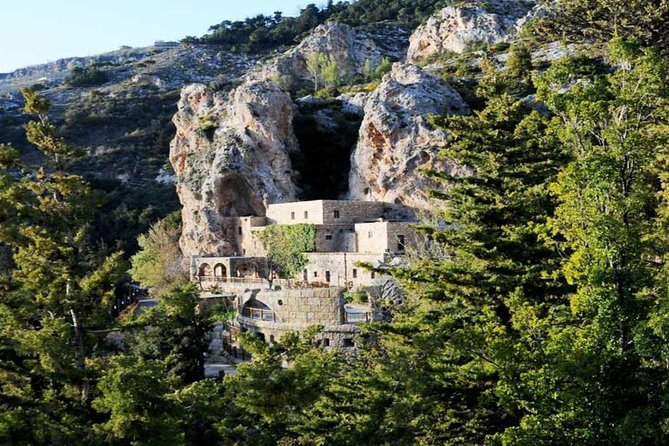
The Maronite Monastery of St Anthony the Great is set about 950 meters above sea level in the Valley of Qozhaya. Pine and oak cover the surrounding hills, while fruit trees grow along the valley. The setting feels quieter and more enclosed than the open viewpoints near the cedars.
The monastery is tied to the history of eremitic life in Lebanon. Historians believe it was first built and occupied by hermits in the early fourth century. It was looted, burned, and destroyed several times, yet remains connected to vestiges dating from the seventh century.
You have about an hour here. That is enough time to understand why the site matters and to see its position within Qadisha’s religious world. It is also the stop where a guide’s explanations can make the greatest difference. Without context, a monastery can look like another old stone building. With context, the caves, hills, and surviving remains tell a much stronger story.
The route does not promise an extended monastic retreat or a full trek through the valley. It is a guided visit, with the guide helping you read the site. The setting, rather than a long list of exhibits, is the main attraction.
Lunch in Bcharré keeps the day easy
Lunch at a local restaurant in Bcharré is included. The exact menu is not specified, so do not book this expecting a particular dish or dietary arrangement unless you confirm it in advance.
Including lunch is still useful. You do not need to search for a restaurant during a tightly timed mountain day, and the meal gives you a natural pause between visits. It also keeps the advertised cost closer to the real cost.
At $99 per person, the value is solid for a nine-hour trip that includes round-trip hotel transfers from Beirut, an air-conditioned minivan, a tour leader, lunch, and admission fees. A self-planned day might look cheaper at first, but transport between Bcharré, the museum, the cedars, and the monastery can make the difference smaller than expected.
The price is best for someone who wants convenience and context. It is less attractive if you already have a car, speak with local guides independently, and prefer to spend an entire day at one site.
What the schedule leaves out
This tour covers four major stops, but the day is not leisurely. Bcharré receives about 30 minutes, the Gibran Museum about 30 minutes, the Cedars of God one hour, and St Anthony Monastery one hour. The remaining time includes driving, pickup, lunch, and transitions.
That balance works for a first visit to northern Lebanon. You get art, religion, village life, and nature in one outing. It is a good way to learn which places deserve a return visit.
The tradeoff is limited free time. You will not have hours to hike the Qadisha Valley, study all 440 works in the Gibran collection, or explore Bcharré at a slow pace. If your priority is walking through remote sections of the valley, look for a tour built around hiking rather than sightseeing.
The rugged terrain also means the day may feel tiring. Most people can participate, according to the stated tour information, but you should still consider how comfortable you are with a long day of driving and mountain visits.
Who should book this northern Lebanon day trip
I would choose this tour if you are based in Beirut and want a practical introduction to Lebanon’s northern mountains without driving yourself. It suits first-time visitors, couples, solo travelers who prefer company, and anyone who wants a guide to explain the religious and cultural setting.
It is especially useful if you value a clear package. Pickup, lunch, transport, and entry fees are already arranged. You can concentrate on the valley, cedars, and Bcharré instead of managing several separate bookings.
Art lovers will appreciate the Gibran Museum. Anyone interested in Christianity in Lebanon will find St Anthony Monastery and Qadisha especially worthwhile. Nature lovers will probably remember the Cedars of God most clearly.
I would hesitate only if you want a slow, self-directed day or a serious walk through the valley. I would also confirm the actual group size, since the tour is presented as a maximum of eight in one description and a maximum of 15 elsewhere.
Should you book it?
Book this tour if you want to see the Cedars of God, Qadisha Valley, and Bcharré in one well-organized day from Beirut. The strongest reasons are the included transport and lunch, the range of sights, and the chance to hear clear explanations from guides such as Albert.
Skip it if you need a long hike, extended museum time, or a relaxed village visit. For most people making a first trip into northern Lebanon, though, $99 is a fair price for the access, structure, and cultural context this day provides.
Free cancellation is available if you cancel at least 24 hours before the start time. The experience uses a mobile ticket, begins at 8:00 am, and offers hotel pickup and drop-off.
FAQ
Where does the tour begin?
The tour begins with hotel pickup in Beirut at approximately 8:00 am.
How long does the experience last?
The tour lasts approximately nine hours.
What places are included?
The route includes the Qadisha Valley, Bcharré, the Gibran Museum, the Cedars of God, and the Maronite Monastery of St Anthony.
Is lunch included?
Yes. Lunch at a local restaurant in Bcharré is included.
Are admission fees included?
Yes. Admission and site tickets are included in the tour price.
What type of transport is used?
Transport is provided in an air-conditioned minivan, with hotel pickup and drop-off.
How many people can join the tour?
The tour is described as a small group capped at eight people, while the additional booking information lists a maximum of 15. Confirm the group size before booking.
Can I cancel for a full refund?
Yes, if you cancel at least 24 hours before the experience begins. Cancellations made less than 24 hours in advance are not refunded.
Just added around Beirut
- Beirut to Sidon, Tyre and Maghdouché: Daily Tours with Lunch★ 5.0 · 3 reviews
- Exploring Beirut’s Past: A Private Guided Historical Tour★ 5.0 · 3 reviews
- Chouf Charm: Private Journey Through Lebanon’s Historic Heartland★ 4.5 · 3 reviews
- Hike Chouwen★ 5.0 · 3 reviews
- Private Trip to Beiteddine, Deir el Qamar & Maaser el Chouf Cedars★ 4.5 · 3 reviews
- Small-Group Tour with Lunch to Baalbek, Anjar and Ksara★ 5.0 · 3 reviews
- Baalbek, Anjar & Wine: A Journey Through Lebanon’s Heritage★ 5.0 · 3 reviews
- Lebanese wineries guided tour with tastings & lunch★ 4.9 · 3 reviews
Qadisha Valley & Cedars Tours, compared.
Bcharre – Qadisha Valley & Cedars Forest From Beirut
Read our review →
Guided Small-Group Tour to Qadisha, Bcharee & Cedars with Lunch
Read our review →Cedars of Lebanon, Qozhaya, & Bcharre – With Lunch (4G on Board)
Read our review →
Cedars Shouf & Beiteddine w/pick-up, guide, entries+lunch
Read our review →
Guided small group to Cedars Reserve & Beiteddine w/lunch+entries
Read our review →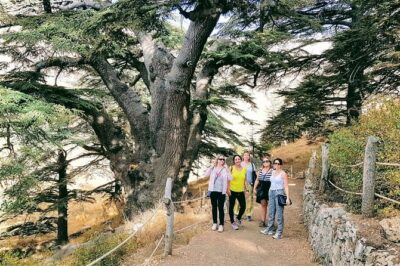
Small-Group Tour with Lunch to Qadisha Valley, Bcharre and Cedars
Read our review →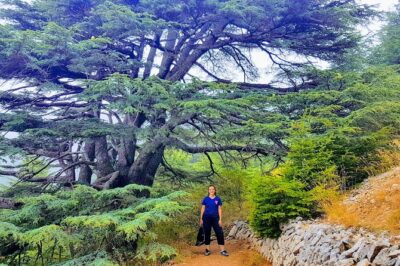
Guided Full-Day Private Trip to Cedars, Baalbek and Chateau Ksara
Read our review →Browse the lists this tour appears in