
Reviewed · BEIRUT CITY TOURS
Authentic Lebanese Meal in Beirut in Tania’s Family Home
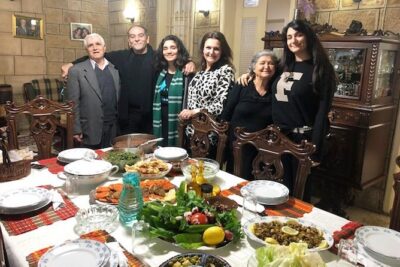
The best part of this Beirut experience is simple: you sit down in Tania’s family home for a meal prepared by people who cook these dishes for their own table. Tania’s mother handles traditional family recipes, while her father, a former butcher, takes his meat seriously and grows fruit and vegetables outside the city.
I like the personal scale, since only your group takes part. I also like the food connection: Tania works as an agronomist and food safety specialist, so you can ask about ingredients, produce, and how Lebanese dishes come together. The main consideration is that the meeting point is in Forn El Chebbak, and hotel pickup is not included.
Key points to know
- A real family table: Tania, her mother, and her retired butcher father all help host the meal.
- Garden produce matters: Much of the food comes from the family garden and is local, fresh, and organic.
- A private setting: Only your group participates, making conversation easier than on a large food tour.
- Traditional drinks included: You receive one or two glasses of local alcohol, along with unlimited soft drinks.
- Coffee and fruit finish the meal: Expect Lebanese coffee and fruit from the garden after the main dishes.
- Plan for two unhurried hours: The experience is built around eating and conversation, not rushing between sights.
A family meal instead of a standard Beirut food tour
Many food tours take you from stall to stall, with a guide explaining what you are eating before moving on. This experience takes a different route. You go to a family home in Forn El Chebbak and share a meal made by the people who normally cook and eat together there.
That changes the tone at once. You are not simply sampling a dish at a restaurant. You are learning about Lebanese food while sitting with Tania and her parents, hearing how family recipes are used, and seeing how garden produce becomes part of the meal.
The experience lasts about two hours. That is enough time for a proper lunch or dinner, conversation, drinks, coffee, and fruit, but it is not a full-day cooking course. I would book it for the human contact and the food, not for a long formal lesson.
Tania’s background gives the meal an extra layer. As an agronomist and food safety specialist, she can speak about ingredients and produce from a professional point of view. Her interest in singing, piano, and travel also suggests a host with plenty of conversation beyond the plate, though the main focus remains the family meal.
More ways to see Beirut on foot:
- Airport Arrival Transfer to Your Beirut Hotel
★ 5.0 · 87 reviews - City Sightseeing Beirut Hop-On Hop-Off Bus Tour
★ 4.5 · 87 reviews - Authentic Lebanese Cooking Lesson and Meal with Tania’s Family in Beirut
★ 5.0 · 62 reviews
Meeting Tania’s parents in Forn El Chebbak
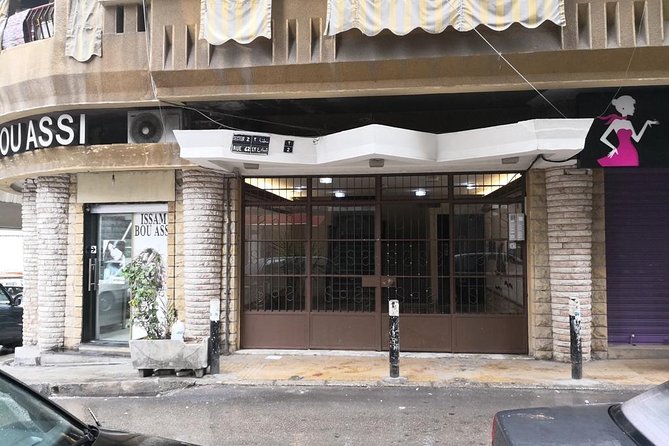
The experience begins in Forn El Chebbak, Lebanon. You need to make your own way there because hotel pickup and drop-off are not included. The activity ends back at the same meeting point, so you do not need to arrange a separate return location.
The family itself is a major part of the appeal. Tania’s mother is the home chef, with a lifetime of cooking traditional meals from family recipes. Her father is a retired butcher who grows fruits and vegetables in his garden on the outskirts of Beirut. He is described as serious about meat, which should please anyone who wants to understand how Lebanese households think about quality and preparation.
You may find that the conversation moves naturally between food, gardening, family life, and Beirut. That is useful context you rarely get from a restaurant menu. You can ask where an ingredient came from, how a dish is normally served, or why one preparation is preferred over another.
The private format helps here. Only your group participates, so you can ask questions without worrying about holding up a large tour. It also lets the family adjust the meal to your needs when those needs are shared in advance.
What may appear on the Lebanese table
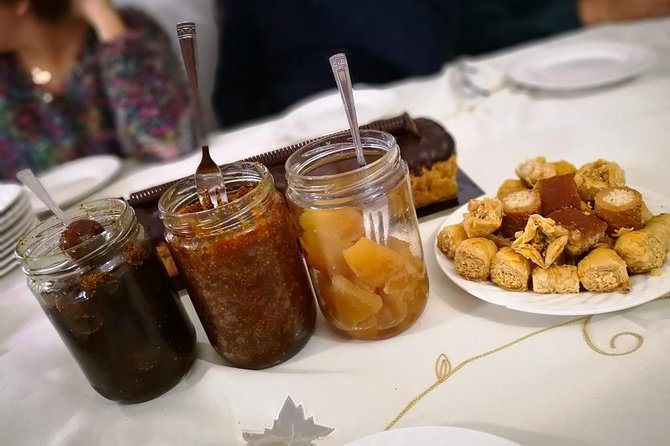
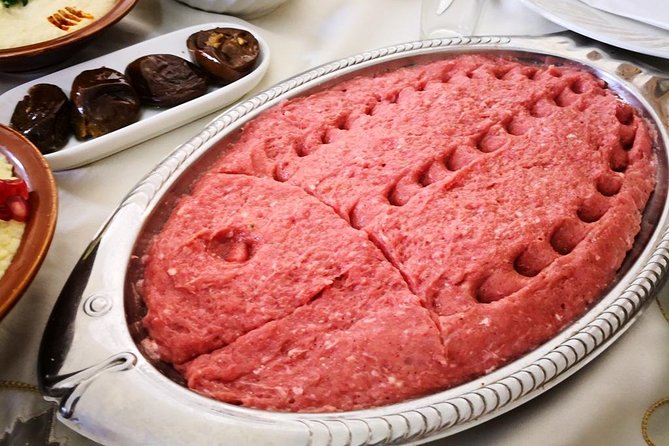
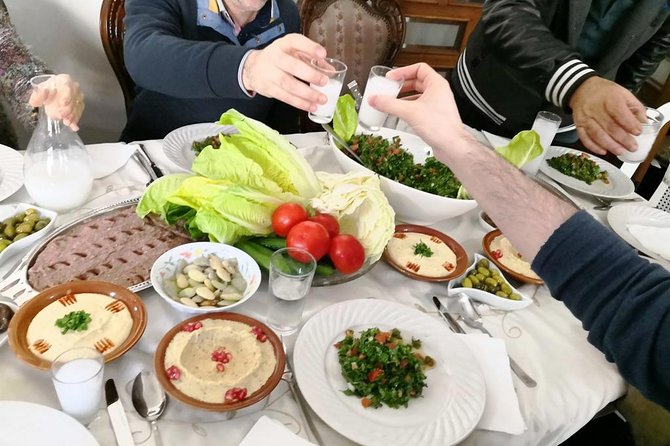
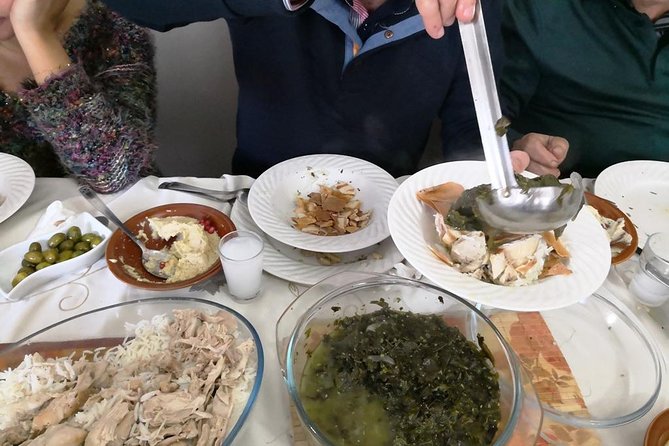
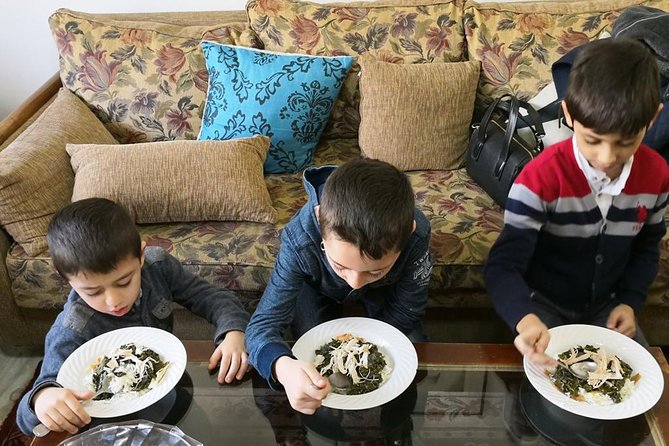
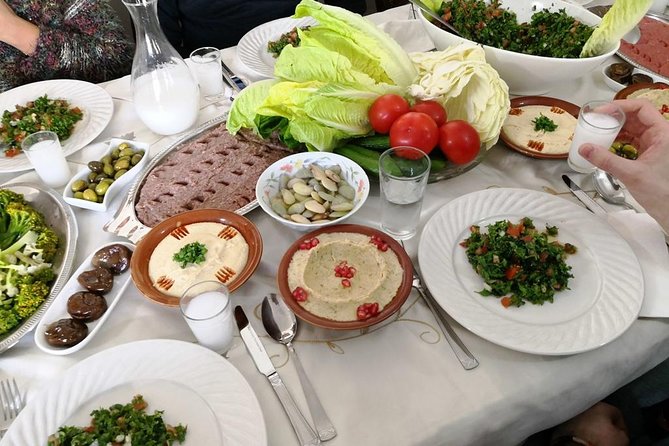
The exact menu is not fixed, and that is part of the point. Possible dishes include lentils, meatballs, and stuffed vine leaves, with recipes shaped by what the family cooks and what the garden provides.
A meal like this is best approached with some curiosity. You may recognize individual ingredients, but the preparation and balance can be different from what you find in a Lebanese restaurant outside the country. The family setting gives you a chance to ask about each dish as it arrives instead of guessing from a menu.
One particularly appealing detail is the use of garden produce. The family grows fruits and vegetables, and much of the food served at home comes from that source. The ingredients are described as local, fresh, and organic. That does not mean every item on the table comes from the garden, but it does mean the meal has a direct connection to the family’s daily work.
The meal may also include salads and vegetable dishes. One memorable favorite is an eggplant salad, and the family takes food preferences seriously. Tania made a point of respecting a diner’s dislike of tomatoes, a small detail that tells you to speak up about ingredients rather than quietly avoid half the plate.
If you enjoy meat, Tania’s father’s background as a butcher adds an interesting personal touch. If you prefer vegetarian food, a vegetarian option is available, but you must request it when booking. The same applies to allergies, dietary restrictions, and cooking preferences.
Local spirits, soft drinks, coffee, and fruit
The meal includes one or two glasses of local alcohol. Arak is the natural possibility to look forward to, and homemade arak has been served as part of the family welcome. Since the description allows one or two glasses rather than promising a specific amount or brand, treat it as a modest tasting, not a drinking session.
Nonalcoholic beverages are also included, with unlimited soft drinks. That makes the meal easier to enjoy for people who do not drink alcohol. You can still take part in the toast without needing to order anything extra.
Coffee comes at the end, along with fruit from the garden. One useful cultural detail is that the coffee is Lebanese coffee, not Turkish coffee. For anyone interested in regional food traditions, that distinction matters. The final coffee and fruit give the meal a proper close rather than leaving you to rush away after the main course.
Alcoholic beverages, nonalcoholic drinks, coffee, fruit, lunch, and dinner are included in the listed price. Gratuities, taxes, fees, and handling charges are also covered, so you should not need to add a tip or service charge at the table.
Same country, a completely different kind of day:
- Guided Small-Group Tour to Baalbek, Anjar and Ksara with Lunch
★ 5.0 · 511 reviews - Guided Small-Group Tour to Jeita, Harissa, Byblos with Lunch
★ 5.0 · 361 reviews - Paragliding Trip Over Lebanon – Jounieh Bay
★ 5.0 · 257 reviews - Jeita Grotto,Harissa&Byblos Full-Day PRIVATE-CAR Trip from Beirut
★ 5.0 · 222 reviews
Why the $70 price can make sense
At $70 per person, this is not the cheapest way to eat in Beirut. If your only goal is to fill up on Lebanese food, a local restaurant will likely offer a lower bill. You are paying for more than the food here.
The price covers a private meal in a family home, the host’s time, local drinks, soft drinks, coffee, fruit, and a personal introduction to Lebanese cooking. You also get access to a family relationship that is hard to arrange independently. The value rises if you enjoy conversation and want to connect food with home life, gardening, and family tradition.
The private format is important. A large group meal could make $70 feel less appealing, but this activity is limited to your own group. You can ask questions, discuss dietary needs, and settle into the meal without a crowd of strangers competing for attention.
I would also look at the price in relation to your schedule. The activity takes about two hours, so it fits neatly into a Beirut sightseeing day. You are not giving up an entire day, yet you still get a substantial meal and time with local hosts.
A private experience with a few practical limits
Private does not mean highly structured. You should not expect a printed lesson, a formal cooking demonstration, or a fixed parade of courses. The main activity is eating together and talking about Lebanese food and family life.
That informal approach is a strength if you like relaxed meals. It can be less suitable if you want to watch every cooking step or learn exact recipes. Tania and her parents help with cooking and hosting, but the information provided does not promise hands-on preparation for you.
The two-hour estimate also deserves attention. A large family meal can run at a comfortable pace, but the advertised duration gives you a useful planning guide. If you have a tightly timed appointment immediately afterward, leave extra room for transportation and the meal’s natural pace.
You should also plan your route to Forn El Chebbak yourself. Since there is no hotel transfer, check how you will reach the meeting point before booking. The end point is the same as the start, which makes the return simpler once the meal is over.
Dietary needs and food preferences
Vegetarians can take part, but you need to advise the host at booking. The same rule applies to allergies and other dietary restrictions. This is especially important for a home meal, where dishes may be prepared in advance and several items may share ingredients.
Tell Tania about dislikes as well as medical restrictions. A preference such as avoiding tomatoes can be respected when the host knows ahead of time. You will have a better meal if the family understands what you can and cannot eat before shopping and cooking are finished.
The menu is not fixed, so advance notice may help the family shape the meal around your needs. Do not wait until you sit down to mention a serious allergy. The booking information specifically asks you to share these details at the time of booking.
Who will enjoy this Beirut meal most
I would choose this for people who value a personal encounter more than a checklist of sights. It suits couples, families, and small private groups who want to talk, eat, and ask questions at an easy pace.
Food-focused visitors will get the most from it, especially if they are curious about family recipes, garden ingredients, meat preparation, and Lebanese drinks. It also works well for anyone who has already seen Beirut’s main sights and wants an experience tied to ordinary home life.
This is less suitable if you want to spend your time walking through markets, visiting monuments, or sampling many small portions at different locations. It is also not the right pick if you expect hotel transportation or a tightly scripted cooking class.
The experience is private, and most people can participate. Service animals are allowed. Those practical points make it fairly flexible, but you still need to handle transportation and share any food requirements in advance.
What the strongest parts of the meal are
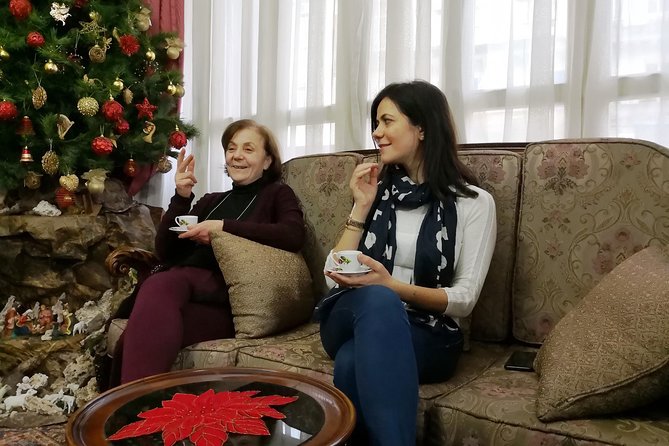
The family welcome is the heart of the experience. Tania’s parents do not appear as background figures. Her mother brings years of home cooking, and her father brings both his former butcher’s eye and the produce from his garden.
The food quantity is another plus. You should expect a generous spread rather than a single plated entrée. Lentils, meatballs, stuffed vine leaves, vegetable dishes, and eggplant salad may all enter the meal, though the exact selection can change.
I also like the attention to small comforts. You get soft drinks without limit, local alcohol in a sensible amount, coffee at the end, and fruit from the garden. Those touches make the meal feel complete.
Most of all, this is a chance to experience Lebanese hospitality in a setting where people cook and eat together. You are not simply observing a family from a distance. For a short time, you are invited to share their table.
Booking, timing, and cancellation advice
Confirmation is provided when you book. Choose the lunch or dinner timing offered for your date, and remember that the experience is listed as approximately two hours.
The activity has a firm cancellation rule. You can receive a full refund if you cancel at least two full days before the start time. Cancellations made less than two full days before the activity are not refunded, and changes inside that period are not accepted. The cut-off follows local time in Lebanon.
Because the meeting point is in Forn El Chebbak and transfers are not included, allow time to reach the home. The experience ends at the original meeting point, so your onward plans should begin from there.
Should you book Tania’s family meal?
Book it if you want a private meal with real family contact, not just another restaurant reservation. The combination of Tania’s food and agriculture background, her mother’s traditional cooking, and her father’s garden and butcher experience gives the meal a clear personal identity.
The $70 price is fair for a private, hosted meal with drinks, coffee, fruit, and all charges included, though it is not the budget dining choice. I would recommend it most to people who enjoy long conversations, generous home cooking, and learning why a dish matters to the people serving it.
Skip it if your priority is a formal cooking class, a market walk, or included hotel transport. For everyone else, this is one of the more direct ways to connect a Beirut visit with Lebanese food, family, and everyday home life.
FAQ
Where does the experience begin?
It begins in Forn El Chebbak, Lebanon.
Where does the experience end?
It ends back at the meeting point in Forn El Chebbak.
How long does the meal last?
The experience lasts approximately two hours.
How much does the experience cost?
The price is $70 per person.
Is hotel pickup included?
No. Hotel pickup and drop-off are not included.
Is this a private activity?
Yes. Only your group participates.
Is a vegetarian meal available?
Yes. A vegetarian option is available, but you should request it when booking.
Can I report allergies or dietary restrictions?
Yes. You should advise Tania of allergies, dietary restrictions, and cooking preferences at the time of booking.
What drinks and food are included?
The meal includes lunch or dinner, one or two glasses of local alcohol, unlimited soft drinks, coffee, and garden fruit. Taxes, fees, handling charges, and gratuities are also included.
Just added around Beirut
- Beirut to Sidon, Tyre and Maghdouché: Daily Tours with Lunch★ 5.0 · 3 reviews
- Chouf Charm: Private Journey Through Lebanon’s Historic Heartland★ 4.5 · 3 reviews
- Exploring Beirut’s Past: A Private Guided Historical Tour★ 5.0 · 3 reviews
- Hike Chouwen★ 5.0 · 3 reviews
- Private Trip to Beiteddine, Deir el Qamar & Maaser el Chouf Cedars★ 4.5 · 3 reviews
- Small-Group Tour with Lunch to Baalbek, Anjar and Ksara★ 5.0 · 3 reviews
- Lebanese wineries guided tour with tastings & lunch★ 4.9 · 3 reviews
- Baalbek, Anjar & Wine: A Journey Through Lebanon’s Heritage★ 5.0 · 3 reviews
Beirut City Tours, compared.
Authentic Lebanese Cooking Lesson and Meal with Tania’s Family in Beirut
Read our review →
Beirut: Jeita Grotto, Harissa, Byblos group tour & Guide
Read our review →
Private Lebanese Cooking Class in Beirut with Amal + Transfers
Read our review →
Lebanon: Beirut, Jeita Grotto, Byblos Private Tour and Lunch
Read our review →
Historical Beirut Tour (AM) Half Day – (4G on Board)
Read our review →
Browse the lists this tour appears in