Reviewed · TOURS
Best Tours in Lebanon, 3-days-with Pick-up & Drop-off
Lebanon packs an astonishing amount into a small country, and this three-day circuit gives you a fast look at its greatest sights. You move from Jeita Grotto’s limestone caverns to Phoenician ports, Crusader castles, Umayyad ruins, and the colossal Roman temples of Baalbek without having to arrange transport yourself.
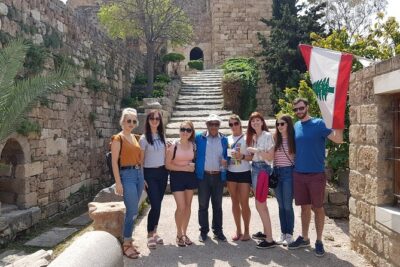
I like the reliable hotel pickup and the chance to travel in a small group of no more than 15 people. I also like the human touch: guides such as Ali, Harake, and Zayd have been praised for their warmth, humor, patience, and help with questions. The tradeoff is that the schedule is packed, and entrance fees are not included, so your final cost will be higher than the advertised $225.
Key points before you book
- Eight major destinations in three days: Jeita Grotto, Harissa, Byblos, Sidon, Maghdoucheh, Tyre, Anjar, and Baalbek.
- Hotel pickup and drop-off in Beirut: Useful when public transport would make this route slow and complicated.
- Small-group format: The maximum group size is 15, making this a practical choice for solo visitors.
- Entrance fees are extra: Jeita Grotto, Byblos Castle, the Soap Museum, the Tyre archaeological sites, Anjar, and Baalbek require separate payment where applicable.
- Lunch is included on one day: The other meals and food stops are not covered by the stated inclusions.
- Guiding can vary: Some participants praised the explanations, while one found the background at Byblos and Baalbek too limited.
Why this three-day route works
At $225 per person, this is best understood as a transport-and-sightseeing package rather than an all-inclusive tour. You are paying for an English-speaking local leader, an air-conditioned vehicle, fuel, and hotel transfers, while entrance tickets are handled separately.
That arrangement can offer good value if you are visiting Lebanon for only a few days. The route links places that are spread across the coast, mountains, and Bekaa Valley. Trying to duplicate it by public transport would take more planning, and some connections would be awkward.
The group limit of 15 matters. You will not have the privacy of a private car, but you should have more breathing room than on a large coach. Solo visitors in particular get an easy way to see the country without paying the full private-tour price.
The schedule is ambitious. Day 1 combines caves, a mountain shrine, a cable car, and Byblos. Day 2 reaches Sidon, Maghdoucheh, and Tyre before returning to Beirut. Day 3 crosses the Bekaa Valley to Anjar and Baalbek. You will see a lot, but this is not the tour for lingering at every café or archaeological stone.
Other Beirut days travellers book alongside this one:
- Guided Small-Group Tour to Baalbek, Anjar and Ksara with Lunch
★ 5.0 · 511 reviews - Guided Small-Group Tour to Jeita, Harissa, Byblos with Lunch
★ 5.0 · 361 reviews - Paragliding Trip Over Lebanon – Jounieh Bay
★ 5.0 · 257 reviews
Day 1: Jeita Grotto, Harissa, and old Byblos
Pickup begins at about 8:30 a.m. in Beirut. Your first major stop is Jeita Grotto, a famous system of two connected limestone caves with a total length of nearly 10 kilometers. You get roughly an hour to explore the site, though the exact pace can depend on operating conditions and the day’s schedule.
Jeita is the most unusual stop on this first day. The upper and lower caves create a fairytale world of sculpted limestone, but the experience is also physical. Wear shoes with a good grip and expect a cool, damp setting inside the caves. The entrance ticket is not included, so ask the operator or guide about the current fee before setting out.
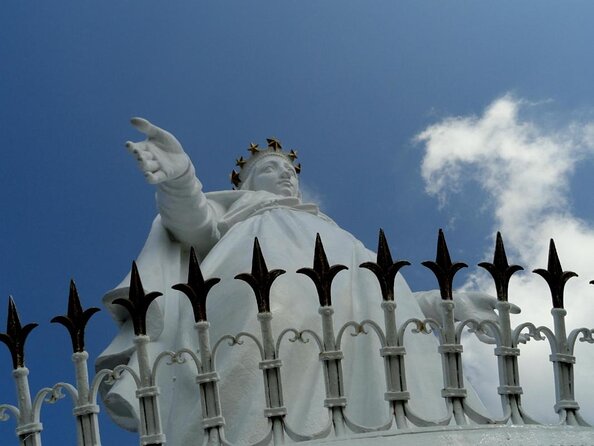
From Jeita, the vehicle climbs toward Harissa. Here you see the famous Virgin Mary statue at the Shrine of Our Lady of Lebanon, a major Marian pilgrimage site above Jounieh. The visit itself is short, around 30 minutes, but the position above the bay gives you a fine reason to step outside and take in the view.
The itinerary lists both Harissa and the Shrine of Our Lady of Lebanon as separate stops, but they are part of the same mountain visit. You should expect a short visit to the statue and shrine area rather than two completely separate attractions.
The next treat is the Téléferique Harissa cable car, which connects Harissa with Jounieh. The ride takes around 30 minutes and offers a different view of the mountain and Jounieh Bay. The cable-car ticket is extra, and the ride may be replaced by a drive if the cable car is closed. This is one of those small details worth checking in advance, especially if the cable car is a main reason you choose this day.
Byblos provides the day’s main historical stop. The city is one of the world’s oldest continuously inhabited places and is listed as a UNESCO World Heritage Site. Your visit includes time around the ancient Phoenician city, the harbor, the Crusader castle, and the old souk.
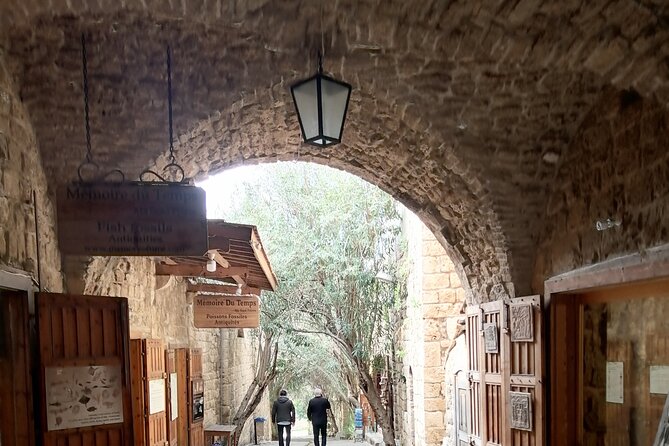
The port is easy to enjoy on foot. You can walk beside the marina, look toward the castle, and then enter the old market area. The old souk is a pleasant counterpoint to the archaeological ruins, with local shops selling crafts, antiques, souvenirs, and other goods. You have a chance to browse, but the schedule does not leave unlimited shopping time.
Byblos Castle, also called the castle of Gibelet, is next to the Phoenician archaeological area. The castle ticket is not included. If you like archaeology and medieval buildings, this is one of the optional admissions I would prioritize. From the site, the connection between Phoenician, Roman, medieval, and later Byblos becomes easier to understand.
Lunch is planned at a traditional Lebanese restaurant by the Byblos port, with the meal listed as an extra on this day. The setting makes sense: you can eat near the water before returning to Beirut. Confirm exactly what is included in your booking, since the tour description states that lunch is included on one day, not all three.
Day 2: Sidon’s markets and the coast to Tyre
Day 2 starts around 8:15 a.m., slightly earlier than the other mornings. You head south to Sidon, an ancient Phoenician city that has long served as a religious, political, and commercial center.
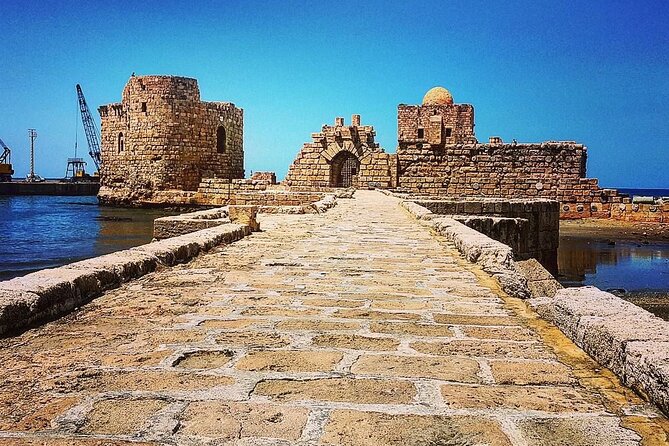
The first stop is Sidon’s Crusaders Sea Castle. Built on a small island and linked to the shore, it gives you a clear sense of the city’s maritime position. The visit lasts about an hour, and the admission fee is extra. Bring shoes suitable for uneven surfaces, since old fortifications are rarely as smooth as a modern museum.
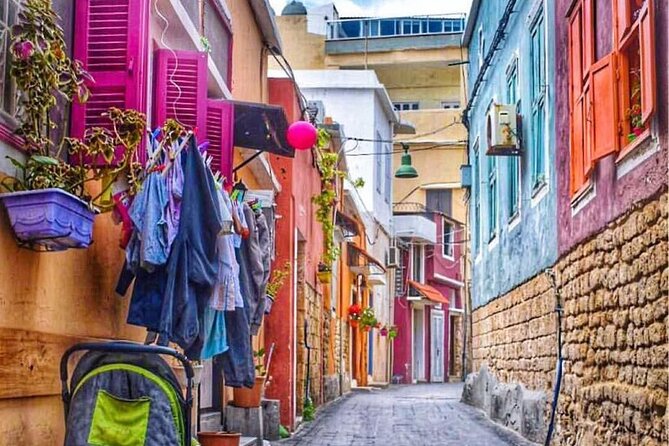
From the castle, you enter Sidon’s old souks. This is one of the more authentic parts of the route because it is not only a preserved monument. The vaulted markets still contain small craft shops and working commercial spaces. The route also passes Ottoman-era buildings, including Debbaneh Palace, built in 1721.
The market area offers a look at everyday Sidon that a quick castle visit cannot provide. You might see coffee houses where people drink Turkish coffee and smoke water pipes, along with fishermen selling their catch near the port. The stated visit lasts about an hour, so you will get an introduction rather than a leisurely afternoon in the alleys.
The Soap Museum occupies a former soap factory dating partly to the 13th century, with the main building associated with a 17th-century factory. A short visit explains how olive-oil soap was made and how soap production connected with traditional bath customs. You may also see a demonstration and archaeological objects found during work at the site.
The museum ticket is extra. At around 30 minutes, this is a compact stop, but it adds a useful local craft element to a day otherwise centered on castles and ancient ruins.
You then pass the Great al-Omari Mosque, formerly the Church of St. John of the Hospitalers. Only a few minutes are allocated here, so treat it as a brief exterior or orientation stop. The nearby Khan El Franj has a large courtyard, covered galleries, and a central fountain. It was built under Fakhredine II and once served merchants and the French consulate.
The route continues inland to Maghdoucheh and Our Lady of Mantara, also called Our Lady of Awaiting. This Melkite Greek Catholic shrine includes a tower with a statue of the Virgin and Child, a cathedral, a cemetery, and a sacred cave believed to be where Mary waited while Jesus traveled.
You get about 50 minutes here. The shrine offers a quieter change of pace after Sidon’s markets. It is also a useful reminder that Lebanon’s cultural story is not only Phoenician and Roman. Religious traditions remain part of the country’s living identity.
The afternoon reaches Tyre, another major Phoenician port. The tour includes time around the old port and traditional beach houses before moving to the archaeological sites. The port visit is short, about 15 minutes, and another 15 minutes is set aside for walking through the old streets.
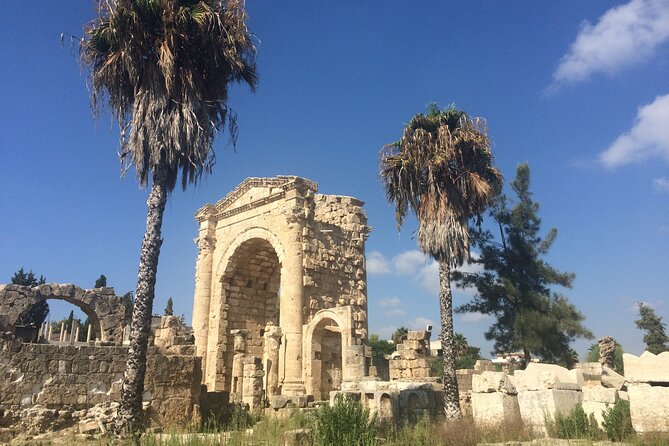
Tyre’s Roman Hippodrome is the star attraction. The UNESCO-listed structure dates to the second century CE and measures about 480 meters long by 90 meters wide. Its horseshoe shape once held around 20,000 spectators watching chariot races. The scale is hard to grasp from photographs, so give yourself time to look along the full length of the site.
The Al-Bass Archaeological Site adds a triumphal arch, a Roman road, an aqueduct, and a Byzantine road. Together, these remains show Tyre as a major urban center long after its Phoenician beginnings. Admission to both archaeological areas is extra.
The day ends with food at a traditional fast-food restaurant before the return drive to Beirut. The day is long, but it combines street life, religious sites, craft traditions, and large archaeological spaces. If you prefer slow travel, Tyre alone could fill a day. On this tour, you get the broad outline.
Day 3: Anjar and the monumental temples of Baalbek
The final morning starts around 8:30 a.m. and heads toward the Bekaa Valley. The drive itself is part of the experience. The valley lies between Mount Lebanon to the west and the Anti-Lebanon Mountains to the east, extending roughly 120 kilometers in length and averaging 16 kilometers in width.
You will see farming areas and green fields along the route. This is a useful shift from the coastal cities, and it helps explain Lebanon’s geographic variety in a short time.
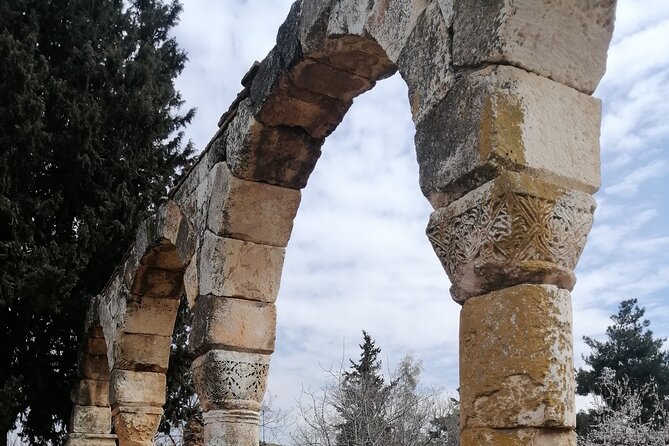
Anjar was founded by Caliph Walid I in the early eighth century. Its ruins reveal an orderly Umayyad city plan, with palace walls, a mosque, baths, harems, and other structures arranged around a commercial center. Roman architectural elements appear in the ruins, creating an interesting mix of styles.
The site was only identified by archaeologists in the late 1940s. That detail gives Anjar a different character from the better-known Roman monuments. It is less about a single giant structure and more about reading the layout of an early Islamic city.
The time at Anjar is limited, and the main admission fee is extra. One practical concern is that the itinerary gives different time estimates for the general Anjar visit and the Umayyad ruins. Expect the guide to combine them into one stop rather than assume two full, separate visits.
Before Baalbek, the route includes a stop at the Mosque of Sayyida Khawla. It marks the place believed to be the burial site of Sayyida Khawla, the daughter of Imam al-Hussein. The visit adds a religious dimension to the Bekaa Valley day.
Hajar al-Hibla, or the Stone of the Pregnant Woman, is another brief stop. This enormous worked Roman block, along with a nearby stone, is among the largest monoliths ever quarried. The stones were likely intended for the nearby temple complex and offer a striking preview of Baalbek’s scale.
Baalbek is the grand finale. The ancient city was known as Heliopolis during the Hellenistic and Roman periods, and the sanctuary drew pilgrims to a trio of deities associated with Jupiter, Venus, and Bacchus. The site became a UNESCO World Heritage Site in 1984.
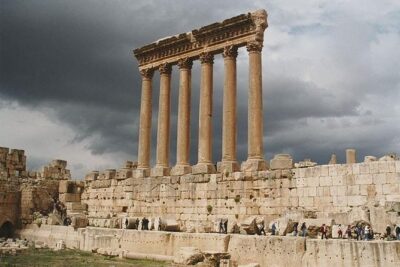
The Temple of Bacchus is especially impressive. It is one of the best-preserved Roman temple ruins and is richly decorated with carved details. Its second-century ornamentation remains remarkably clear, even when viewed from a distance.
The Temple of Jupiter is larger still. Its columns once reached about 30 meters, with diameters close to 2.5 meters. Three giant foundation stones rank among the heaviest blocks used in ancient construction. You do not need a long lecture to appreciate the place, but some explanation helps you understand why Baalbek is more than a collection of oversized columns.
This is the point where guide quality matters most. Several people praised Harake, Ali, and Zayd for clear stories and patient answers, while one visitor felt the background at Baalbek and Byblos was too thin. If you want more context, ask questions directly and consider hiring an additional local site guide if that option is offered on the day.
Lunch at a traditional restaurant follows the Baalbek visit, with fresh meat, chicken, vegetarian food, and snacks listed among the choices. The day ends with the drive back to your Beirut hotel.
Same country, a completely different kind of day:
- Jeita Grotto,Harissa&Byblos Full-Day PRIVATE-CAR Trip from Beirut
★ 5.0 · 222 reviews - First Paragliding Club in Lebanon – Since 1992
★ 5.0 · 193 reviews - Anjar, Baalbek & Ksara Day Trip – With Lunch (4G on Board)
★ 4.5 · 181 reviews - Jeita Grotto – Harissa – Byblos Trip
★ 5.0 · 169 reviews
What the $225 price really covers
The price is attractive for the amount of driving involved. You receive three days of transport, hotel pickup and drop-off, an air-conditioned vehicle, fuel costs, and an English-speaking local group leader. For a solo visitor, that can be a sensible alternative to arranging separate taxis or private drivers.
The price does not cover all the main admissions. Jeita Grotto, Harissa’s cable car, Byblos Castle, Sidon’s Soap Museum, Sidon Sea Castle, Tyre’s archaeological areas, Anjar, and Baalbek may require separate tickets. Carry a budget for these costs, meals outside the stated included lunch, drinks, and personal purchases.
The tour is described as averaging 61 days of advance booking. That suggests you should not leave it until the last moment if your Lebanon dates are fixed, particularly if you want the full three-day route.
Who will enjoy this route most
I would choose this tour if you have only a few days in Lebanon and want to cover the country’s major ancient sites without handling every road connection yourself. It suits solo visitors, couples, and small groups who value convenience over a relaxed pace.
It also works well if you want a first look before returning for a slower visit. Byblos, Sidon, Tyre, or Baalbek could each deserve more time, but this route helps you decide where to focus next.
I would hesitate if your priority is detailed archaeology at every stop. The local leader provides an introduction to each site, but the depth of commentary may vary by guide and day. Ask questions, take notes, and do a little reading before you go if Baalbek and Phoenician history are central to your trip.
Communication appears to be practical. Pickup details and the next day’s driver have been shared through WhatsApp, which can make early mornings less stressful. Guides have also helped with questions and, in some cases, airport transfers, although airport transfer service is not listed among the formal inclusions.
Free cancellation is available up to 24 hours before the start time. Inside that window, changes are not accepted and the payment is not refunded. The tour requires good weather, with a different date or full refund offered if poor weather causes cancellation.
Should you book the three-day Lebanon tour?
Book it if you want maximum coverage with minimum transport planning. The route gives you caves, mountain views, living markets, religious sites, Phoenician ports, Umayyad ruins, and some of the largest Roman remains in the world.
Go in with realistic expectations. You will spend substantial time on the road, some visits are short, and entrance tickets are extra. But for $225, hotel pickup, an air-conditioned vehicle, and a small group, this is a strong way to see Lebanon’s essential sights in three days, especially with a friendly guide such as Harake or Ali helping connect the places.
FAQ

How long is the tour?
The experience lasts approximately three days, with morning departures at about 8:30 a.m. on Days 1 and 3 and 8:15 a.m. on Day 2.
Where does pickup take place?
Pickup and drop-off are offered at hotels in Beirut. The stated meeting start time is 8:30 a.m., although Day 2 begins around 8:15 a.m.
What sites are included in the route?
The route includes Jeita Grotto, Harissa, Byblos, Sidon, Maghdoucheh, Tyre, Anjar, and Baalbek, along with related sites such as castles, souks, shrines, Roman ruins, and the Harissa cable car when operating.
Are entrance fees included?
No. Entrance fees are excluded for several sites, including Jeita Grotto, the Harissa cable car, Byblos Castle, the Soap Museum, Tyre’s archaeological sites, Anjar, and Baalbek.
Is lunch included?
Lunch is included on one day. The description also lists lunch and food stops on other days, but those meals are not stated as included, so confirm the details when booking.
What is the maximum group size?
The tour has a maximum of 15 participants. It includes an English-speaking local group leader, an air-conditioned vehicle, fuel, and hotel pickup and drop-off.
Just added around Beirut
- Beirut to Sidon, Tyre and Maghdouché: Daily Tours with Lunch★ 5.0 · 3 reviews
- Exploring Beirut’s Past: A Private Guided Historical Tour★ 5.0 · 3 reviews
- Chouf Charm: Private Journey Through Lebanon’s Historic Heartland★ 4.5 · 3 reviews
- Private Trip to Beiteddine, Deir el Qamar & Maaser el Chouf Cedars★ 4.5 · 3 reviews
- Hike Chouwen★ 5.0 · 3 reviews
- Small-Group Tour with Lunch to Baalbek, Anjar and Ksara★ 5.0 · 3 reviews
- Baalbek, Anjar & Wine: A Journey Through Lebanon’s Heritage★ 5.0 · 3 reviews
- Lebanese wineries guided tour with tastings & lunch★ 4.9 · 3 reviews
Tours, compared.
Guided Small-Group Tour to Baalbek, Anjar and Ksara with Lunch
Read our review →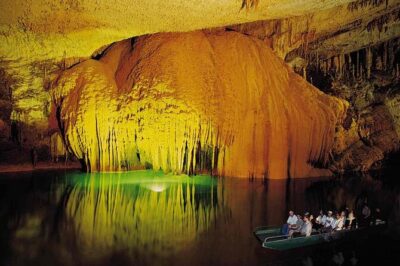
Guided Small-Group Tour to Jeita, Harissa, Byblos with Lunch
Read our review →
Private Anjar and Baalbek Tour from Beirut with Departure Ticket
Read our review →
Guided Private Full Day Tour to Baalbek, Anjar and Chateau Ksara
Read our review →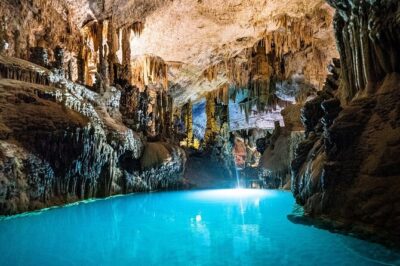
Semi-Private Tour to Jeita Grotto, Harissa & Byblos with Lunch
Read our review →
PRIVATE city Tour of authentic Tripoli and vibrant Batroun
Read our review →