
Reviewed · SIDON & TYRE DAY TRIPS
Guided Small-Group Tour to Sidon, Tyre & Maghdouche with Lunch
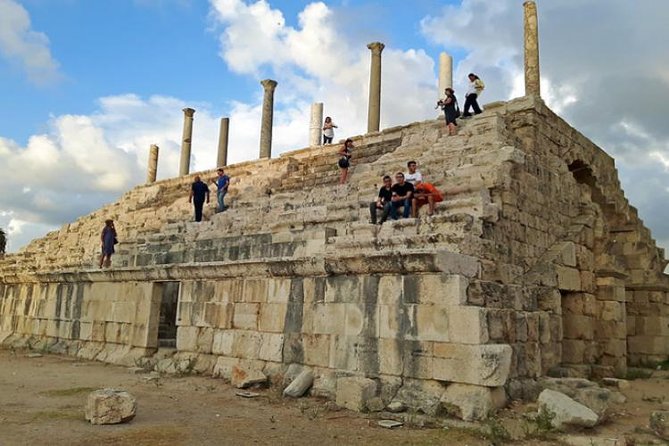
Tyre’s huge Roman hippodrome is the star of this south Lebanon day trip, but the route gives you much more: Sidon’s Crusader sea castle, old trading lanes, olive-oil soap making, and the Marian shrine at Maghdouche. I like the way the tour links three very different places in one day, and I like that lunch, water, a driver, and hotel transfers are included. The drawback is the pace: nine hours sounds generous, yet several stops are short, and some advertised sights may not fit into the day.
I also like the practical setup for Beirut visitors who do not want to arrange several taxis or drive unfamiliar roads. Guides including Alain have been singled out for clear organization, while drivers such as Naaser helped make the long day comfortable. Bring sunscreen, since the lunch seating may be only partly shaded, and expect admission fees at some sites to be extra.
Key things to know before booking
- Roman Tyre is the main archaeological prize: See a remarkably large hippodrome, a triumphal arch, sarcophagi, an aqueduct, and an ancient road.
- Sidon mixes daily life with major history: The sea castle, khan, soap museum, and narrow souks show different sides of the old port.
- Maghdouche adds a religious stop: The shrine honors the tradition that Mary waited there for Jesus.
- Lunch and transport simplify the day: Hotel pickup, an air-conditioned vehicle, bottled water, and lunch are part of the package.
- The group can reach 20 people: That is still more manageable than a large coach, but it is not a private tour.
- The schedule is full: You may get only a quick look at some places, and certain listed Tyre stops may be skipped.
Why this is a useful south Lebanon day trip
For someone based in Beirut, this tour solves a real travel problem. Sidon and Tyre lie well south of the capital, and fitting both into one day requires planning, transport, and a sense of how much time to allow at each site. Here, you are collected from your hotel at about 8:30 a.m., ride in an air-conditioned vehicle, and return after roughly nine hours.
The route also has good variety. Sidon gives you a living old port with shops and alleys. Maghdouche offers a quiet religious site tied to Christian tradition. Tyre supplies the grand archaeological remains, spread across two main areas. You are not spending the whole day looking at similar columns.
The group limit of 20 matters. You still need to stay with the guide and accept a shared schedule, but the format should feel less cumbersome than a full-size bus. It is a sensible choice if you want context at the ruins and do not want to drive, bargain for taxis, or work out the southern route yourself.
The price is $65 per person. For a nine-hour outing with hotel transfers, lunch, bottled water, a guide, and transport, that is a strong package price. The value is best if you plan to see all three destinations in one day. It is less compelling if you want long, unhurried time in the souks or on Tyre’s beaches, since the schedule favors coverage over lingering.
More trips down to Sidon and Tyre:
- Small-Group Adventure Tour to Sidon Tyre & Maghdouche-Day Trip
★ 5.0 · 45 reviews - Sidon, Tyre & Maghdouche Day Trip – With Lunch (4G on Board)
★ 4.5 · 44 reviews - Sidon – Tyre – Maghdouche Trip, From Beirut
★ 5.0 · 25 reviews
Sidon’s sea castle and old port
Sidon, also called Saida, is one of the oldest Phoenician cities. Its roots reach back to the third millennium BC, and its early prosperity came from trade, glassware, and the famous purple dye made from sea snails. The city also appears in the New Testament tradition, with Jesus said to have visited it.
Your first hour in Sidon is likely to provide broad orientation before the individual stops. That matters because Sidon is not just an archaeological park. It is a working coastal city where historic buildings sit beside shops, cafes, and everyday commerce.
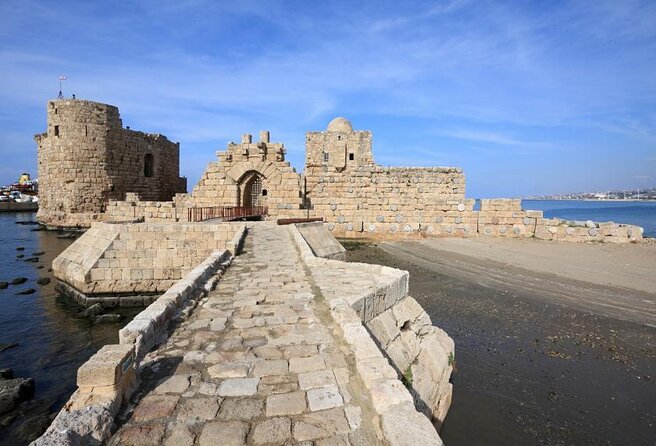
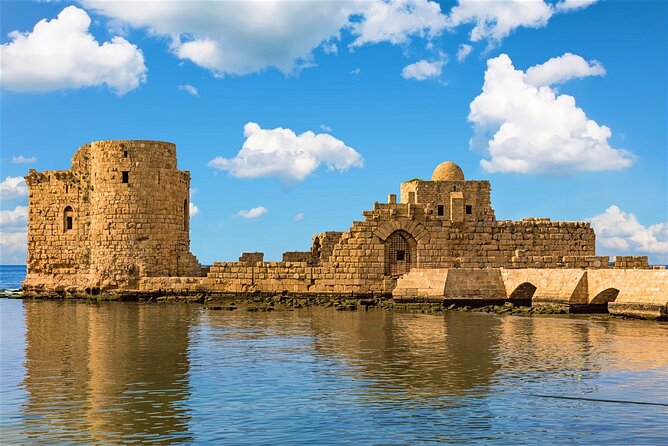
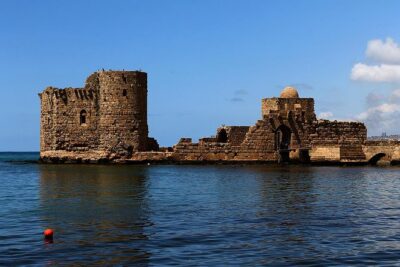
The Crusaders Sea Castle is the most instantly recognizable sight. Built in the 13th century on a small island, it was linked to the mainland by a stone causeway and used as a fortress. The Mamluks damaged it in 1291, and Fakhr el-Dine Maan II later restored it in the early 17th century.
Do not expect a fully intact castle. Much of the decoration and defensive structure is gone, and the visit lasts about 30 minutes. Still, the position over the harbor gives the ruins their force. From the causeway and remaining walls, you can see how the fortress controlled access to the port.
Admission is not included at the sea castle, so keep a little cash available for entry fees. The tour gives you the setting and the main story, but this is a short stop rather than a detailed castle study.
Khan al-Franj and the craft of Sidon
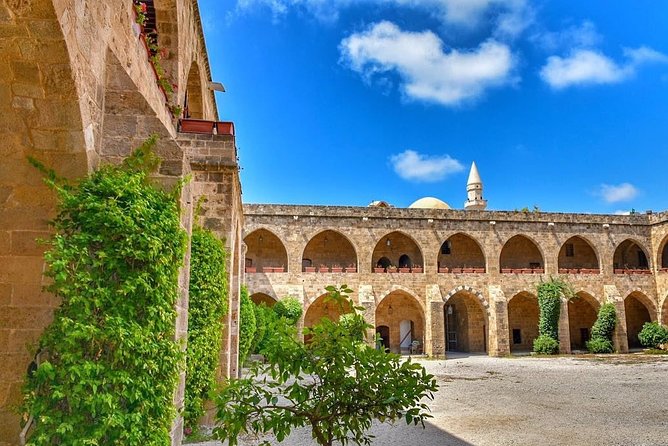
Khan al-Franj offers a different picture of Sidon. Built in the early 17th century by Emir Fakhreddine II, this large inn served ambassadors and helped link commercial activity between Lebanon and France. Its rectangular courtyard, fountain, and covered galleries make the building easy to understand even during a brief visit.
You have about 15 minutes here. That is enough to take in the layout, hear why khans mattered, and make a few photographs. It is not enough for a slow architectural inspection, so keep your expectations realistic.
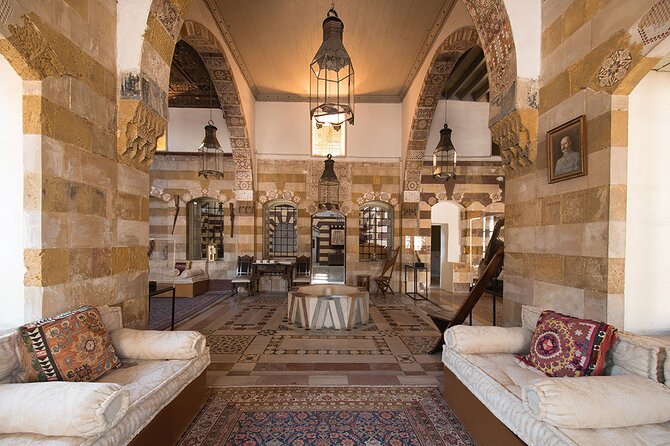
The Soap Museum is more hands-on. The building began as a soap factory in the 17th century, with parts thought to reach back to the 13th century. Inside, the displays explain Levantine soap production, olive-oil soap, and traditional hammam customs.
A demonstration shows how the soap was made, and the museum also presents pottery fragments and clay pipe heads found during excavation. The stop lasts about 30 minutes, with admission extra.
This is one of the better choices on the route because it connects an old building to a craft rather than treating the past as a collection of broken stones. It also has a practical benefit: you can learn how local materials and bathing customs shaped daily life. The visit is not designed as a forced shopping stop. You can look without pressure to buy anything, which helps keep the experience focused on the place.
The Sidon souks are scheduled for only about 15 minutes. These lanes form the city’s retail and craft center, with small kiosks, cafes, food sellers, butchers, grocers, tailors, shoe-makers, and jewelers. I would treat this as a quick taste, not a proper market visit.
If you enjoy wandering old commercial streets, you may wish the timetable allowed more freedom here. Stay close to the guide, note where you enter, and use the short stop to absorb the sounds and narrow passageways rather than trying to shop seriously.
Maghdouche and the cave of waiting
The drive to Maghdouche brings a change of mood. The Basilica of Our Lady of Mantara, also known as Our Lady of Awaiting, is a Melkite Greek Catholic shrine built around a religious tradition. Christians believe this is where Mary waited while Jesus visited the nearby area.
The shrine was discovered in 1721 by a young shepherd. The site now includes a tower topped by a statue of the Virgin and Child, a cathedral, a cemetery, and a sacred cave believed to be the place where Mary rested.
You have about 15 minutes here, so this is a compact visit. The value lies in understanding the tradition and seeing the combination of cave, church, cemetery, and hilltop statue. It is also a useful pause between the busy streets of Sidon and the broad archaeological grounds at Tyre.
This stop will appeal most to visitors interested in Lebanon’s Christian heritage and sacred places. If religious sites are not a priority for you, it remains a brief architectural and cultural stop rather than a major sightseeing block.
A few more Beirut days worth weighing up
- Guided Small-Group Tour to Baalbek, Anjar and Ksara with Lunch
★ 5.0 · 511 reviews - Guided Small-Group Tour to Jeita, Harissa, Byblos with Lunch
★ 5.0 · 361 reviews - Anjar, Baalbek & Ksara Day Trip – With Lunch (4G on Board)
★ 4.5 · 181 reviews - Byblos, Jeita Grotto & Harissa Day Trip -With Lunch (4G on Board)
★ 4.5 · 145 reviews
Lunch in Tyre and what to expect
Lunch is included, which makes the long day easier. The food has been described as fresh and authentically Lebanese, with a fish meal available on some departures. The restaurant is in Tyre, giving you a natural break before the ancient sites.
One practical point matters: the outdoor seating may not be fully covered from the sun. Pack sunscreen and do not assume that every table will be shaded. Bottled water is included, but carrying extra water is still sensible on a warm day, especially during the open-air archaeological visits.
The meal is part of the value of the $65 price. You do not need to spend time finding a restaurant between stops, and the group can keep to the schedule. The tradeoff is that a set group lunch offers less choice than arranging your own meal.
Tyre, the Phoenician port that became a Roman city
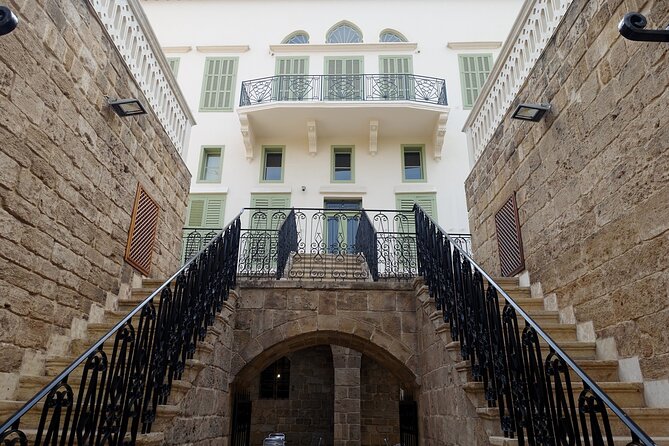
Tyre, or Sour, is the final major destination and the historical high point of the route. It was founded around 2750 BC and became famous for murex purple dye, made from sea snails. The city is also linked to Elissar, the Phoenician princess associated with the founding of Carthage.
Tyre prospered under King Hiram and later passed through the hands of Egyptians, Assyrians, Babylonians, Greeks, Seleucids, Romans, Byzantines, Arabs, Crusaders, Mamluks, and Ottomans. You do not need to memorize that list, but it helps explain why the remains show so many layers of rule.
The city has two main archaeological areas, Al-Bass and Al-Mina. The tour gives you about two hours in Tyre overall, with a separate hour at Al-Bass. The setting also includes a seaside town and beaches, so the modern city is part of the experience. This is not an isolated ruin far from daily life.
The itinerary may not include every Tyre sight mentioned in the full description. In particular, the old souk of Tyre may be left out when time is tight. That is worth knowing if you are choosing the tour mainly for market streets or beach time.
Al-Bass and the Roman hippodrome
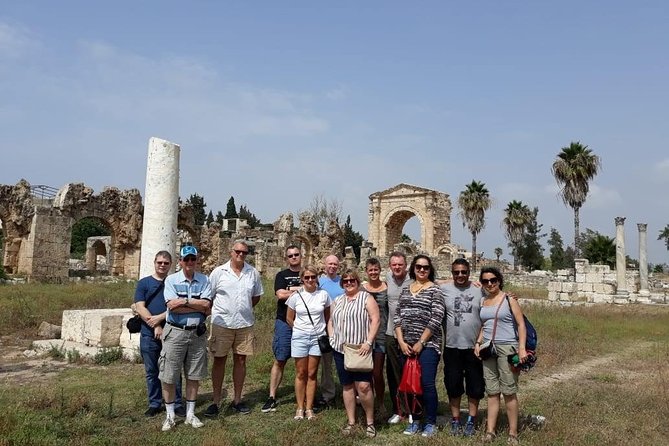
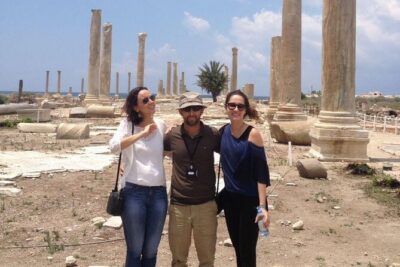
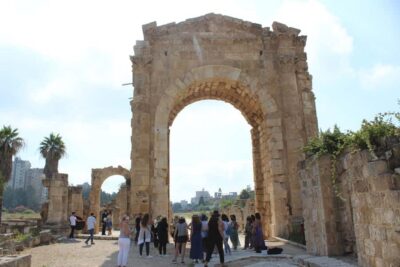
Al-Bass is the clearest reason to make the trip. The site contains a Roman triumphal arch from the second century AD, a broad ancient road, a necropolis with hundreds of sarcophagi, an aqueduct, and one of the largest Roman hippodromes known.
The hippodrome is not a small remnant. Its scale helps you picture chariot races and public events in a way that a lone column rarely can. The monumental causeway and arch also show how visitors entered the ancient city, while the tombs along the route give the area a solemn edge.
You have about one hour here, and admission is not included. Wear comfortable shoes and expect sun exposure, since the site is spread out and much of the visit takes place outdoors. The guide’s explanations are especially useful at Al-Bass because the remains cover a wide area and can otherwise look like disconnected stones.
The sarcophagi are another strong feature. Their preservation gives the necropolis a direct human presence, while the intact sections of road and aqueduct explain how the ancient city functioned. If you have time for only one archaeological site in southern Lebanon, this is the one I would prioritize.
Guide quality, driving, and the pace
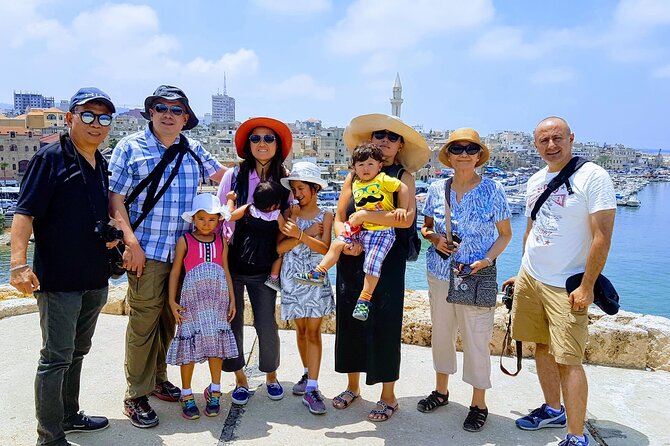
A good guide can make or break a day with this many stops. The strongest feedback about the experience centers on clear organization, helpful communication, and guides such as Alain. Drivers such as Naaser have also been praised for making the long route pleasant.
The guide is especially important in Sidon, where a short walk can pass through Phoenician, Crusader, Ottoman, and modern commercial layers. At Tyre, a guide can turn the hippodrome, aqueduct, and necropolis into a connected story instead of a list of ruins.
Still, a guide cannot create extra time. The schedule includes roughly one hour in Sidon, 30 minutes at the sea castle, 15 minutes at Khan al-Franj, 30 minutes at the Soap Museum, 15 minutes in the souk, 15 minutes at Maghdouche, two hours in Tyre, and one hour at Al-Bass. Road conditions and group movement can affect the exact timing.
Some stops may be shortened or missed. One account specifically noted that certain places listed for Tyre were not visited. I would book this as a broad introduction, not as a specialist archaeological tour.
Who should book this tour
I would recommend it for a first visit to Lebanon when you have limited time in Beirut. It is also a good fit if you want to see the south without driving, arrange taxis, or manage a full day of connections yourself.
It suits history fans who like variety: Phoenician trade, Crusader defenses, Ottoman-era commercial buildings, traditional soap making, Christian pilgrimage, and Roman public architecture all appear in one day. It also works for food-focused visitors who want lunch built into the plan rather than stopping at random.
You may want a different arrangement if you want a private pace, long shopping time, extended beach time, or detailed study of every archaeological feature. A group of up to 20 is manageable, but it cannot give everyone unlimited time at each stop.
The tour is also less suitable if you dislike outdoor heat or walking across open ruins. Sunscreen is important, and admission costs at the sea castle, Soap Museum, and Al-Bass are extra. Most people can participate, but the provided information does not give detailed accessibility specifications, so ask the operator before booking if that matters to you.
Should you book it?
Book this tour if you want the best practical mix of southern Lebanon in one day. The Roman hippodrome at Tyre, Sidon’s sea castle and old lanes, Maghdouche’s shrine, lunch, and hotel transport make $65 a sensible value.
Go in with the right expectation: you are sampling three destinations, not spending a full day in any one of them. If that tradeoff suits you, this is an efficient and well-organized way to reach the southern coast from Beirut. Free cancellation is available up to 24 hours before the 8:30 a.m. start, which gives you some flexibility when planning.
FAQ
Where does the tour start?
The tour starts in Beirut, with hotel pickup offered. The scheduled start time is 8:30 a.m.
How long does the tour last?
The experience lasts approximately nine hours.
What destinations are included?
The route includes Sidon, Maghdouche, and Tyre. Stops include the Sidon Sea Castle, Khan al-Franj, the Soap Museum, Sidon’s souks, the Basilica of Our Lady of Mantara, and the Al-Bass Archaeological Site.
Is lunch included?
Yes. Lunch is included in the tour price.
Is bottled water included?
Yes. Bottled water is provided.
Is hotel transportation included?
Yes. Hotel pickup and drop-off are included, along with an air-conditioned vehicle and comfortable transportation.
How large is the group?
The tour has a maximum of 20 travelers.
Are entrance fees included?
No. Admission is not included at the Sidon Sea Castle, the Soap Museum, or the Al-Bass Archaeological Site. Some other listed stops have free admission.
Is a guide included?
Yes. A professional guide and a tour leader are included. Guides named in available tour information include Alain.
Can I cancel for a full refund?
Yes. You can cancel up to 24 hours before the experience start time for a full refund. Cancellations or changes made less than 24 hours before the start are not accepted.
Just added around Beirut
- Beirut to Sidon, Tyre and Maghdouché: Daily Tours with Lunch★ 5.0 · 3 reviews
- Exploring Beirut’s Past: A Private Guided Historical Tour★ 5.0 · 3 reviews
- Chouf Charm: Private Journey Through Lebanon’s Historic Heartland★ 4.5 · 3 reviews
- Hike Chouwen★ 5.0 · 3 reviews
- Private Trip to Beiteddine, Deir el Qamar & Maaser el Chouf Cedars★ 4.5 · 3 reviews
- Small-Group Tour with Lunch to Baalbek, Anjar and Ksara★ 5.0 · 3 reviews
- Baalbek, Anjar & Wine: A Journey Through Lebanon’s Heritage★ 5.0 · 3 reviews
- Lebanese wineries guided tour with tastings & lunch★ 4.9 · 3 reviews
Sidon & Tyre Day Trips, compared.
Small-Group Adventure Tour to Sidon Tyre & Maghdouche-Day Trip
Read our review →Sidon, Tyre & Maghdouche Day Trip – With Lunch (4G on Board)
Read our review →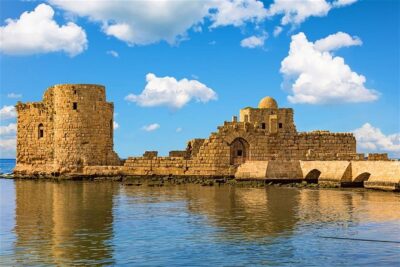
Private Guided Tour to Sidon, Tyre and Maghdouche from Beirut
Read our review →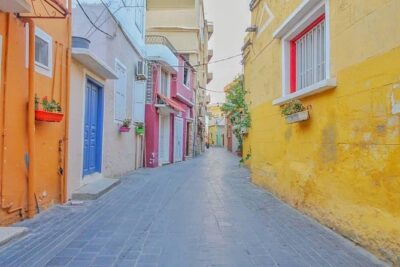
Lebanon tour Sidon & Tyre ruins with pick-up, guide,lunch+entries
Read our review →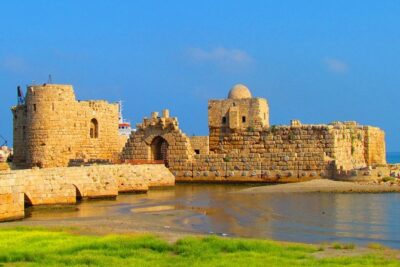
Lebanon Unveiled: Exclusive Private Tours to Sidon & Tyre
Read our review →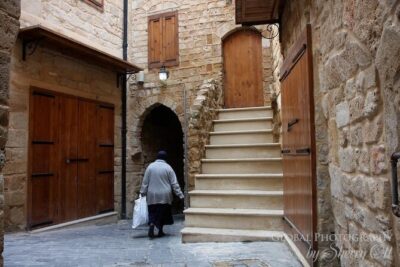
Sidon & Tyre Unesco Heritage w/pick-up, guide, entries+lunch
Read our review →Browse the lists this tour appears in