
Reviewed · SIDON & TYRE DAY TRIPS
Small-Group Tour to Sidon, Tyre and Maghdouche with Lunch and Tickets
Southern Lebanon packs a remarkable amount into one day. You’ll move from Sidon’s Crusader sea fortress and covered market to Tyre’s Roman roads, sarcophagi, triumphal arch, and enormous hippodrome, with Maghdouche’s hilltop shrine in between. Ancient history is the main event, but the port towns keep the day grounded in daily Lebanese life.
I like two things right away: the small-group format, capped at 15 people, and the fact that lunch and entrance fees are already covered. The schedule also gives you real time at Tyre’s archaeological sites instead of treating them as a quick roadside photo stop. The main consideration is the pace. You’ll spend about eight hours on the road and visiting several places, so this suits you best if you want a full day of southern Lebanon rather than a slow, unhurried outing.
Key points to know before booking
- Three very different destinations: Sidon gives you a medieval fortress and working souks, Maghdouche offers a religious shrine, and Tyre delivers major Roman remains.
- Tyre gets the most time: You have about one hour at Al-Bass and another hour at the Hippodrome.
- Lunch and tickets are included: The package covers a Lebanese meal and admission to the listed paid sites.
- A genuinely small group: The maximum is 15 people, and the group may be much smaller. One booking had only two participants.
- Hotel pickup and drop-off are included: The tour begins at about 8:00 a.m. from Beirut.
- Expect a history-focused day: A tour leader accompanies you, with a local guide in Tyre.
Why this southern Lebanon day trip works
This tour is built around a simple idea: see the major sights south of Beirut without arranging several separate rides, guides, meals, and entrance tickets. At $65 per person, that matters. You are not paying only for access to ruins. You are also paying for an air-conditioned vehicle, round-trip hotel transfers, a tour leader, a local Tyre guide, lunch, and admission to the Crusader castle and Roman sites.
I especially like the mix of places. Sidon is not just a pile of stones. Its castle sits in the water beside an active port, and its souks still serve as a shopping and craft center. Tyre, by contrast, gives you wide archaeological spaces and large Roman structures that make the scale of the ancient city easier to understand.
Maghdouche changes the mood again. The town’s Our Lady of Mantara shrine is a religious site connected with the tradition that Mary rested in a cave while waiting for Jesus. Even if your main interest is archaeology, this stop helps you see another part of Lebanon’s cultural life.
The group limit of 15 is useful in practical terms. A guide can answer questions without shouting across a bus, and you will not be swallowed by a large organized crowd at each site. The available experience reports also show that the actual group can be tiny. One outing had just two people, which allowed for an especially personal day.
The tradeoff is a long, tightly organized schedule. The listed stops add up to several hours, before driving time and lunch. You will see a lot, but you should not expect long stretches to wander alone in every town.
More trips down to Sidon and Tyre:
- Small-Group Adventure Tour to Sidon Tyre & Maghdouche-Day Trip
★ 5.0 · 45 reviews - Sidon, Tyre & Maghdouche Day Trip – With Lunch (4G on Board)
★ 4.5 · 44 reviews - Guided Small-Group Tour to Sidon, Tyre & Maghdouche with Lunch
★ 5.0 · 41 reviews
Leaving Beirut for Sidon
Pickup begins at about 8:00 a.m., with hotel pickup and drop-off included. The exact length of the drive is not given, so your day will depend partly on traffic and the location of your hotel. An air-conditioned vehicle is included, a welcome feature for a full day that moves between several southern sites.
Sidon is the first major stop. Once one of the important ports of the eastern Mediterranean, it gives you a useful introduction to the region’s layered past. The tour does not try to cover every corner of the city. Instead, it links three compact sights: the Crusaders Sea Castle, Khan al-Franj, and the souks.
That combination is smart. You get a landmark, an architectural courtyard, and a working commercial quarter. The result feels more complete than visiting only a ruined fortress.
The Crusaders Sea Castle and the port
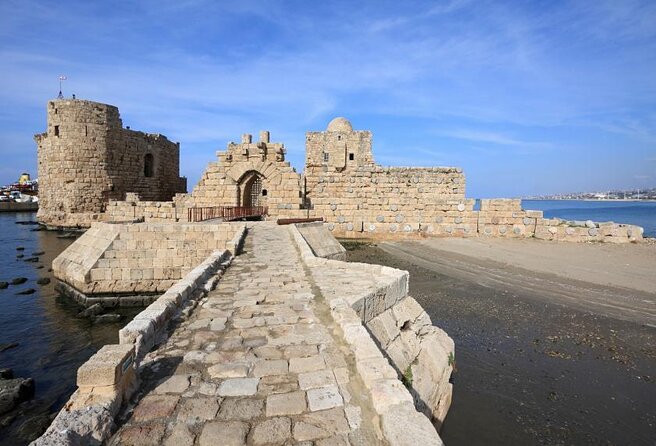
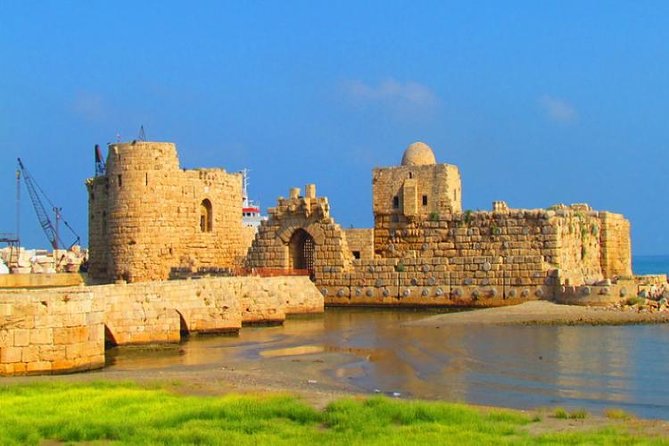
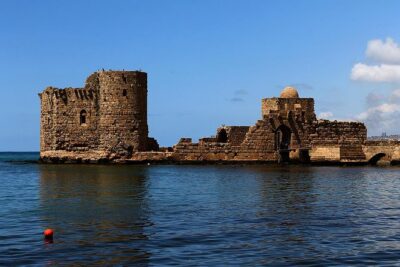
The Sea Castle was built by Crusaders in the 13th century on a small island just off Sidon. A causeway connects it to the mainland, so the approach gives you an immediate sense of why this was a defensive site. Water surrounds much of the structure, and the setting is more memorable than a fortress standing alone inland.
The castle was badly damaged by the Mamluks in 1291 and later restored by Fakhr el-Dine Maan II in the early 17th century. You should keep your expectations in check. The fort once had more decorative detail, but little of that ornament remains. What you see now is a weathered military shell with strong views and a clear position in the port.
The scheduled visit lasts about 30 minutes, and admission is included. That is enough time for an introduction, photographs, and a look around, but not a leisurely architectural study. Watch your footing around old masonry and allow the guide to explain what remains, since the site’s story is larger than its surviving walls.
I like this stop because it connects history to the present. You are not looking at a fortress in an empty setting. You are beside a living port, with the sea still shaping Sidon’s identity.
Khan al-Franj and Sidon’s old souks
Khan al-Franj takes you from military history to trade. Built in the early 17th century by Emir Fakhreddine II, the khan served as a hotel for ambassadors and a center for commercial exchange between Lebanon and France. It later became a place linked with literature, religion, history, industry, and diplomacy.
The building follows the classic khan plan: a large rectangular courtyard, a central fountain, and covered galleries around the edges. Your visit lasts about 15 minutes, and there is no separate admission fee. This is a short stop, but the courtyard layout makes the building easy to understand quickly.
I would pay attention to how the khan was designed for movement and exchange. Merchants, officials, and visitors could gather around a protected central space, while the covered galleries provided shade and shelter. It is a useful reminder that old commercial buildings were also social and political centers.
The Sidon Souks are another brief visit, also about 15 minutes. The market is a maze of narrow lanes lined with small kiosks, shops, cafés, street sellers, butchers, grocers, shoemakers, tailors, and jewelers. This is not a museum market arranged for display. It is a functioning part of the city’s retail and craft economy.
The short timing means you will get an orientation rather than a serious shopping session. If you see something you want, ask the guide how much time you have before wandering off. The narrow lanes can make it easy to lose sight of the group.
A few more Beirut days worth weighing up
- Guided Small-Group Tour to Baalbek, Anjar and Ksara with Lunch
★ 5.0 · 511 reviews - Guided Small-Group Tour to Jeita, Harissa, Byblos with Lunch
★ 5.0 · 361 reviews - Anjar, Baalbek & Ksara Day Trip – With Lunch (4G on Board)
★ 4.5 · 181 reviews - Byblos, Jeita Grotto & Harissa Day Trip -With Lunch (4G on Board)
★ 4.5 · 145 reviews
Maghdouche and the Lady of Awaiting shrine
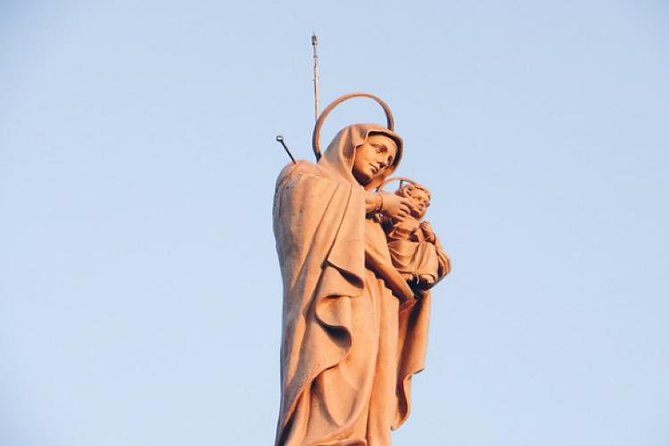
From Sidon, the tour continues to Maghdouche and the Basilica of Our Lady of Mantara, also called Our Lady of Awaiting. The shrine is Melkite Greek Catholic and includes a tower topped by a statue of the Virgin and Child, a cathedral, a cemetery, and a sacred cave.
The cave is traditionally identified as the place where the Virgin Mary rested while waiting for Jesus. The shrine’s discovery is dated to September 8, 1721, when a young shepherd found it. You have about 15 minutes here, so this is a compact stop rather than a full religious or architectural visit.
The tower and statue give the site a clear visual marker, while the cave adds a more intimate element. You do not need to share the religious tradition to appreciate why this place matters. It is a living shrine, not simply an old structure on a sightseeing route.
Dress and behave respectfully at religious sites, even though specific dress rules are not provided for this tour. The short visit also means you should listen closely to the guide’s explanation, since there will not be much spare time for exploring the grounds.
Lebanese lunch and the road to Tyre
A Lebanese lunch is included, which helps keep the day simple. The information does not name the restaurant or specify the menu, so you should think of this as a practical local meal rather than a food-focused tour.
One useful point is that lunch is already built into the $65 price. You do not have to pause the sightseeing day to find a place, compare menus, or arrange payment for a group meal. One account described the lunch as tasty, and the meal helps break up the long run of historical sites.
The day’s balance is better because of this pause. Sidon and Tyre involve walking, standing, and listening, while lunch gives you a chance to sit down before the largest archaeological visits.
Al-Bass Archaeological Site in Tyre
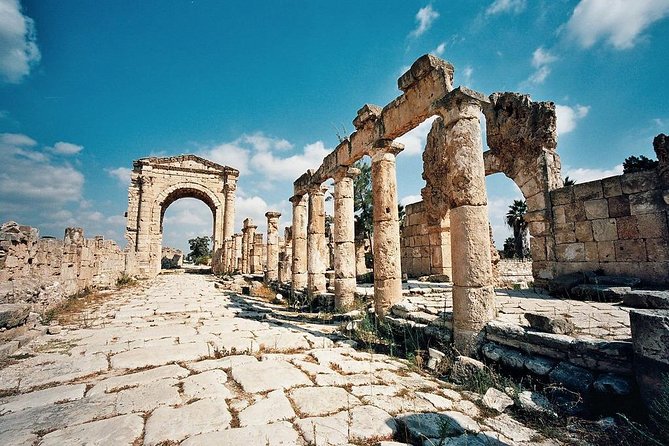
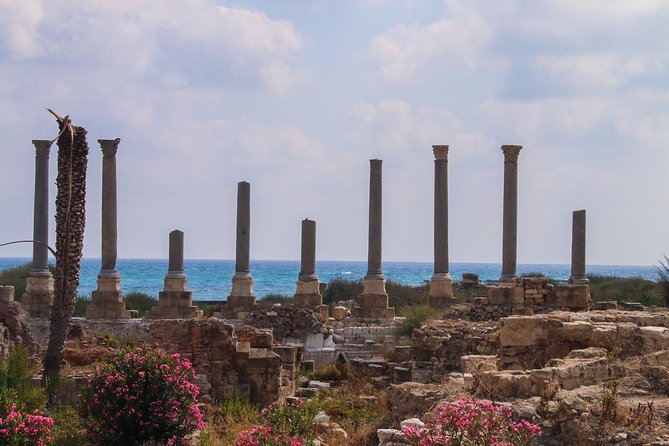
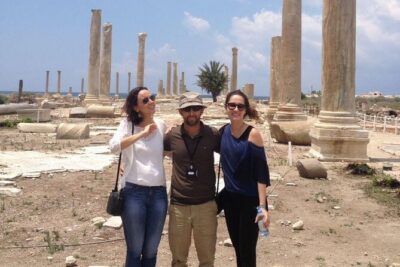
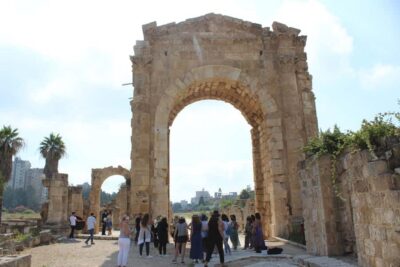
Tyre is the heavyweight stop, and Al-Bass deserves the full hour scheduled for it. The site was the main entrance to the ancient city and includes a necropolis, a monumental causeway, a Roman triumphal arch from the 2nd century AD, an aqueduct, and a Roman road.
The necropolis contains several hundred sarcophagi. That detail changes how you read the site. You are not seeing a single isolated monument, but a large burial zone arranged along a formal approach to the city.
The Roman road and triumphal arch help you picture the ancient entrance. The aqueduct points to the engineering required to support a major urban center. Even if you are not an expert in Roman architecture, these remains give you several clear reference points.
Al-Bass also contains one of the largest and best-preserved Roman hippodromes in the Roman world. The scale is the key. A hippodrome was built for public spectacles and chariot racing, so its size tells you something about Tyre’s importance and population in the Roman period.
Admission is included, and the visit lasts about one hour. Wear shoes suitable for walking over archaeological ground. The information does not specify the exact surface or shade, so it is sensible to bring water and protect yourself from the sun.
Tyre Hippodrome and the ancient harbor
The Tyre Hippodrome receives another hour, making it one of the best-served stops on the schedule. It dates to the 2nd century AD and is part of Tyre’s UNESCO World Heritage site.
The extended visit matters because the structure needs time to read. From a quick stop, a large open ruin can look like a field of stone. With a guide, you can better understand its shape, purpose, and connection to Roman public life.
Tyre once had two harbors, the Sidonian harbor to the north and the Egyptian harbor to the south. Today, the port is a busy fishing harbor, and remains of a 750-meter mole can still be seen. Some ancient buildings are also visible in the water.
This harbor stop is listed without a stated duration, so the exact time may depend on the day’s schedule. I like the contrast between the archaeological site and the working fishing port. It shows that Tyre is not only an ancient city preserved for sightseeing. It remains a port town with a present-day economy tied to the sea.
The local guide in Tyre is especially valuable here. The city’s ruins are spread across different areas, and their meaning is easier to follow when someone links the Roman remains, harbor structures, and modern port together.
What the guide and group size add
The tour includes a tour leader and a local guide in Tyre. No guide names are provided, so you should not book expecting a particular named personality. The roles are clear, though: the tour leader manages the day, while the Tyre guide provides local context at the major archaeological sites.
The available ratings are strong, at 4.7 from three reviews, though that is a small sample. The most praised points are the guide’s explanations, the entertaining tour leadership, the tasty lunch, and the small group.
Those details match what I would want from this route. The monuments are important, but the quality of the day depends on whether someone can explain what you are looking at without turning every stop into a lecture. A small group also makes it easier to ask about the castle, shrine, or Roman remains as questions come up.
One outing had only one other participant, a woman from the United States. That should not be taken as a promise that every departure will be that small, but it shows how personal the experience can feel when bookings are light.
Is $65 a fair price?
At $65, the tour is good value if you want all three destinations in one day. The price includes transport in an air-conditioned vehicle, hotel pickup and drop-off, a Lebanese lunch, admission to the Sea Castle, admission to Al-Bass, admission to the Tyre Hippodrome, a tour leader, and a local Tyre guide.
You would pay separately for transport, food, and tickets if you arranged the same route yourself. More important, you would need to work out the order of the stops and the travel between Sidon, Maghdouche, and Tyre.
The value is less compelling if you are already staying in southern Lebanon or prefer to explore one town slowly. The schedule favors coverage. You will see the key sites, but you will have limited free time in the souks and only a short visit at Maghdouche.
For a first visit to Lebanon, I think the price makes sense. It combines three places with different identities and removes much of the day’s planning work.
Who should book this tour?
I would recommend it to you if you:
- Want to see Sidon and Tyre from Beirut in one organized day
- Prefer a guide to explain ancient and religious sites
- Like small groups rather than large coach tours
- Want lunch and entrance fees included in the upfront price
- Are comfortable with an early start and a full eight-hour schedule
- Have a strong interest in Roman remains, Crusader sites, and historic port towns
I would be more cautious if you want long shopping time in Sidon, extended quiet time at the shrine, or a relaxed beach-and-harbor day in Tyre. The tour is about seeing several important places efficiently, not settling into one destination.
You should also note that the maximum group size is 15, and most travelers can participate according to the booking information. Specific accessibility details are not provided, so ask the operator before booking if you have mobility needs.
Free cancellation is available when you cancel at least 24 hours before the 8:00 a.m. start time. Changes or cancellations made within 24 hours are not accepted for a refund.
Final call: book it for the range of experiences
Book this tour if you want a practical, history-filled day that links Sidon’s castle and souks, Maghdouche’s Marian shrine, and Tyre’s major Roman remains. The included lunch, tickets, vehicle, and hotel transfers make $65 an attractive price, and the small group should keep the guiding personal.
Skip it if your priority is slow exploration. The schedule is full, and the short stops in Sidon and Maghdouche leave little room for independent wandering. For most first-time visitors based in Beirut, though, this is a sensible way to reach southern Lebanon and see how its medieval, religious, Roman, and modern port stories fit together.
FAQ
What places does the tour visit?
It visits Sidon, Maghdouche, and Tyre. The listed sights include the Sidon Sea Castle, Khan al-Franj, Sidon Souks, Our Lady of Mantara, Al-Bass Archaeological Site, the Tyre Hippodrome, and Tyre’s harbor area.
How long does the tour last?
The tour lasts approximately eight hours.
What time does the tour start?
The stated start time is 8:00 a.m.
Is hotel pickup included?
Yes. Hotel pickup and drop-off in Beirut are included.
Is lunch included?
Yes. The tour includes a Lebanese lunch.
Are entrance fees included?
Yes. Admission to the historical sites listed as paid attractions is included, including the Sidon Sea Castle, Al-Bass Archaeological Site, and Tyre Hippodrome.
How large is the group?
The maximum group size is 15 people. The actual group may be smaller.
Does the tour include a guide?
Yes. A tour leader is included, along with a local guide in Tyre.
Can I cancel for a full refund?
Yes, if you cancel at least 24 hours before the experience start time. Cancellations made less than 24 hours in advance are not refundable.
Just added around Beirut
- Beirut to Sidon, Tyre and Maghdouché: Daily Tours with Lunch★ 5.0 · 3 reviews
- Exploring Beirut’s Past: A Private Guided Historical Tour★ 5.0 · 3 reviews
- Chouf Charm: Private Journey Through Lebanon’s Historic Heartland★ 4.5 · 3 reviews
- Hike Chouwen★ 5.0 · 3 reviews
- Private Trip to Beiteddine, Deir el Qamar & Maaser el Chouf Cedars★ 4.5 · 3 reviews
- Small-Group Tour with Lunch to Baalbek, Anjar and Ksara★ 5.0 · 3 reviews
- Lebanese wineries guided tour with tastings & lunch★ 4.9 · 3 reviews
- Baalbek, Anjar & Wine: A Journey Through Lebanon’s Heritage★ 5.0 · 3 reviews
Sidon & Tyre Day Trips, compared.
Small-Group Adventure Tour to Sidon Tyre & Maghdouche-Day Trip
Read our review →Sidon, Tyre & Maghdouche Day Trip – With Lunch (4G on Board)
Read our review →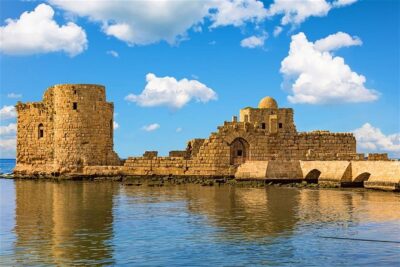
Private Guided Tour to Sidon, Tyre and Maghdouche from Beirut
Read our review →
Lebanon tour Sidon & Tyre ruins with pick-up, guide,lunch+entries
Read our review →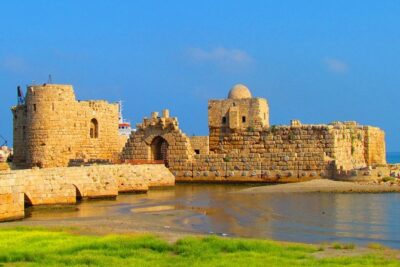
Lebanon Unveiled: Exclusive Private Tours to Sidon & Tyre
Read our review →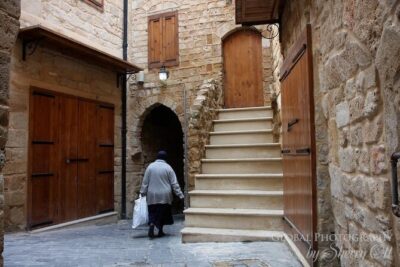
Sidon & Tyre Unesco Heritage w/pick-up, guide, entries+lunch
Read our review →Browse the lists this tour appears in